04/Oct/2019
Traditional chest drainage versus drainage by thoracotomy: a prospective randomized study
DOI: 10.31744/einstein_journal/2020AO4409
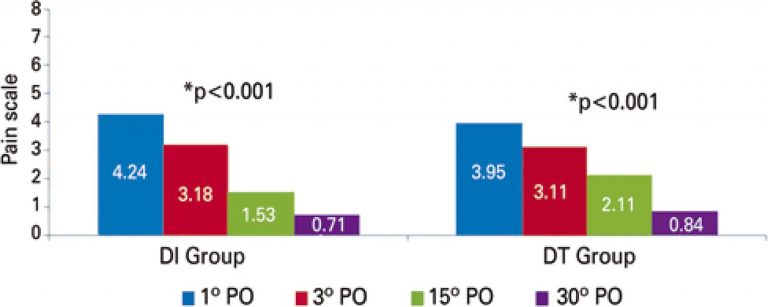
ABSTRACT Objective To compare the chest tube drainage by the same thoracotomy intercostal space with the traditional approach in patients undergoing muscle-sparing thoracotomy. Methods We evaluated 40 patients aged ≥18 years who underwent elective muscle sparing thoracotomies. Patients were divided into two groups of 20 patients. One group underwent thoracic drainage by the same intercostal space of thoracotomy and the other by traditional chest drainage approach. Results The mean length of hospital stay for the intercostal drainage group in the […]
Keywords: Drainage; Pain; Thoracic surgery; Thoracotomy
24/Sep/2019
Sericin as treatment of obesity: morphophysiological effects in obese mice fed with high-fat diet
DOI: 10.31744/einstein_journal/2020AO4876
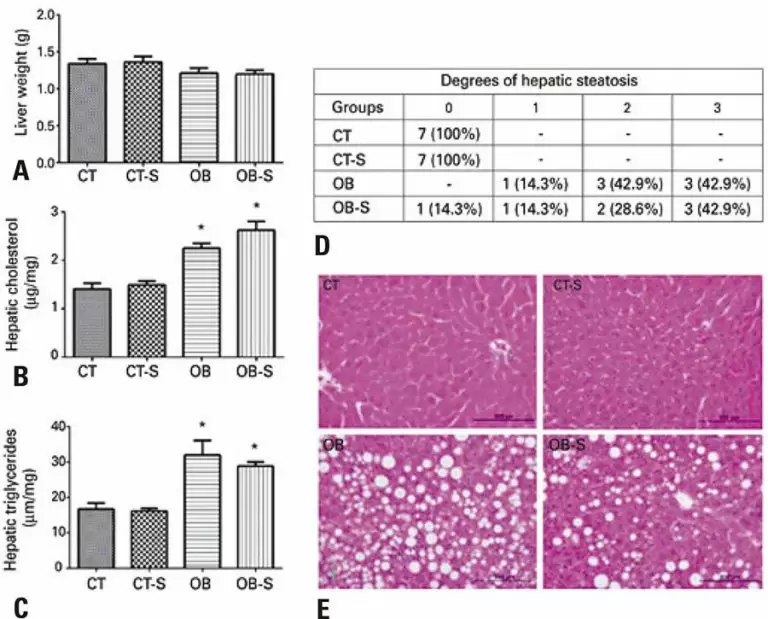
ABSTRACT Objective To investigate the effects of sericin extracted from silkworm Bombyx mori cocoon on morphophysiological parameters in mice with obesity induced by high-fat diet. Methods Male C57Bl6 mice aged 9 weeks were allocated to one of two groups – Control and Obese, and fed a standard or high-fat diet for 10 weeks, respectively. Mice were then further subdivided into four groups with seven mice each, as follows: Control, Control-Sericin, Obese, and Obese-Sericin. The standard or high fat diet was […]
Keywords: Bombyx mori; Diet, high-fat; Intestine, small; Jejunum; Liver; Mice; Obesity/drug therapy; Sericins/therapeutic use
17/Sep/2019
Epidemiology of injuries due to ankle sprain diagnosed in an orthopedic emergency room
einstein (São Paulo). 17/Sep/2019;18:eAO4739.
View Article17/Sep/2019
Epidemiology of injuries due to ankle sprain diagnosed in an orthopedic emergency room
DOI: 10.31744/einstein_journal/2020AO4739
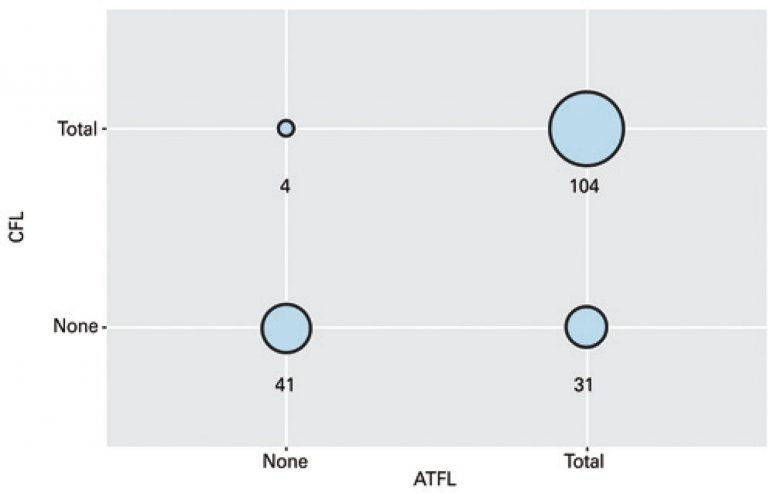
ABSTRACT Objective To use magnetic resonance imaging to assess the prevalence of foot and ankle ligament injuries and fractures associated with ankle sprain and not diagnosed by x-ray. Methods We included 180 consecutive patients with a history of ankle sprain, assessed at a primary care service in a 12-month period. Magnetic resonance imaging findings were recorded and described. Results Approximately 92% of patients had some type of injury shown on the magnetic resonance imaging. We found 379 ligament injuries, 9 […]
Keywords: Ankle injuries/epidemiology; Ankle injuries/etiology; Collateral ligaments; Fractures, avulsion; Magnetic resonance imaging; Sprains and strains/epidemiology; Tarsal bones/injuries
17/Sep/2019
Muscular resistance, hypertrophy and strength training equally reduce adiposity, inflammation and insulin resistance in mice with diet-induced obesity
einstein (São Paulo). 17/Sep/2019;18:eAO4784.
View Article17/Sep/2019
Muscular resistance, hypertrophy and strength training equally reduce adiposity, inflammation and insulin resistance in mice with diet-induced obesity
DOI: 10.31744/einstein_journal/2020AO4784
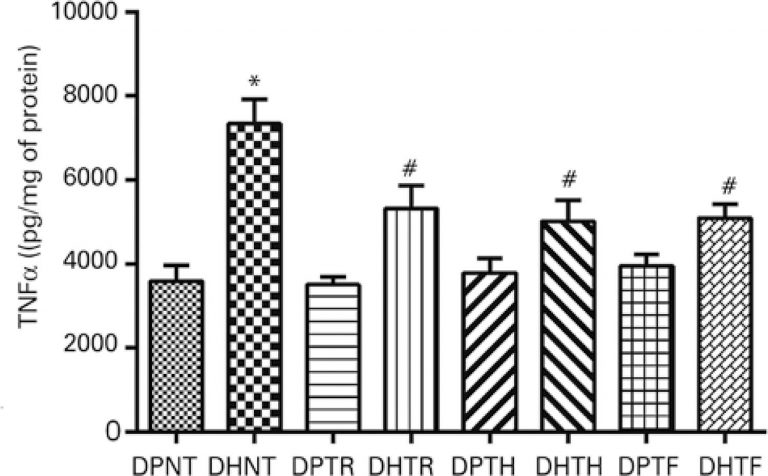
ABSTRACT Objective To evaluate the effect of three types of muscular resistance training on adiposity, inflammation levels and insulin activity in Swiss mice with fat-rich diet-induced obesity. Methods Lean and obese male Swiss mice were selected and allocated to one of eight groups comprising eight mice each, as follows: standard diet + no training; standard diet + muscular resistance training; standard diet + hypertrophy training; standard diet + strength training; high-fat diet + no training; high-fat diet + muscular resistance […]
Keywords: Exercise; Inflammation; Insulin resistance; Insulin/metabolism; Mice; Obesity; Resistance training; Weight loss
04/Sep/2019
Posterior quadratus lumborum block for primary total hip arthroplasty analgesia: a comparative study
DOI: 10.31744/einstein_journal/2019AO4905
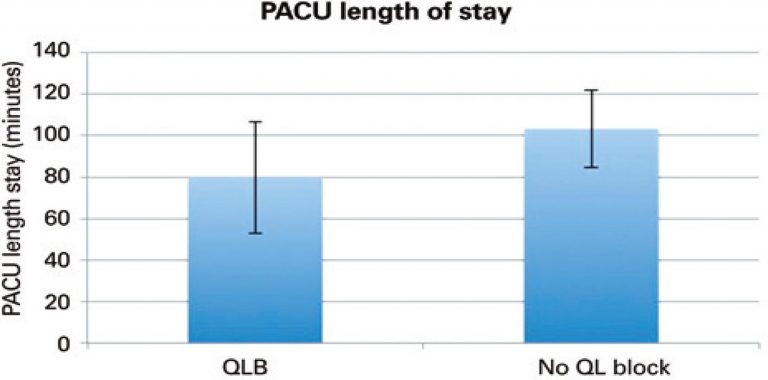
ABSTRACT Objective To compare analgesia and opioid consumption for patients undergoing primary total hip arthroplasty with preoperative posterior quadratus lumborum block with patients who did not receive quadratus lumborum block. Methods The medical records of patients undergoing unilateral total hip arthroplasty between January 1st, 2017 and March 31, 2018 were reviewed, and 238 patients were included in the study. The primary outcome was postoperative opioid consumption in the first 24 postoperative hours. Secondary outcomes were intraoperative, post anesthesia care unit, […]
Keywords: Analgesia; Analgesics, opioid; Anesthetics, local; Arthroplasty, replacement, hip; Pain, postoperative
04/Sep/2019
Evaluation of hydroxyurea genotoxicity in patients with sickle cell disease
DOI: 10.31744/einstein_journal/2019AO4742
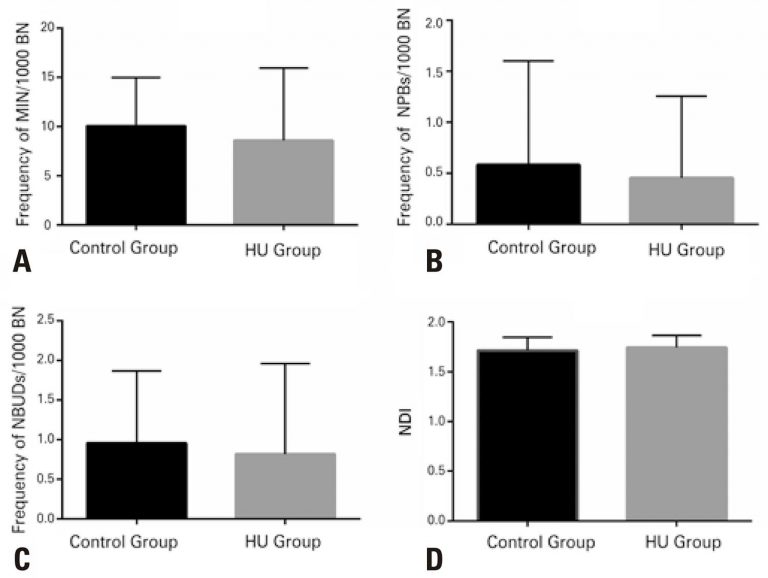
ABSTRACT Objective To evaluate the induction of DNA damage in peripheral blood mononuclear cells of patients with sickle cell disease, SS and SC genotypes, treated with hydroxyurea. Methods The study subjects were divided into two groups: one group of 22 patients with sickle cell disease, SS and SC genotypes, treated with hydroxyurea, and a Control Group composed of 24 patients with sickle cell disease who were not treated with hydroxyurea. Peripheral blood samples were submitted to peripheral blood mononuclear cell […]
Keywords: Anemia, sickle cell; Genotoxicity; Hydroxyurea; Micronucleus tests; Mutagenicity tests
27/Aug/2019
Hypertensive crisis: clinical characteristics of patients with hypertensive urgency, emergency and pseudocrisis at a public emergency department
DOI: 10.31744/einstein_journal/2019AO4685
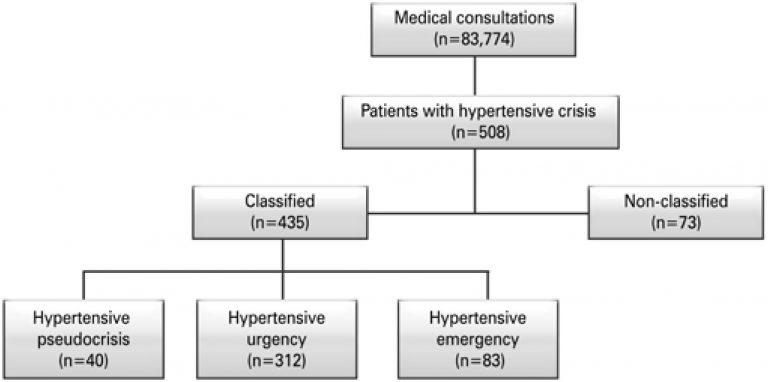
ABSTRACT Objective: To assess patients with hypertensive crisis, classified as urgency, emergency or pseudocrisis, and identify the associated variables. Methods: We evaluated a total of 508 patients (57% women; 56.3±13.8 years old) with hypertensive crisis (diastolic blood pressure of 120mmHg), aged 18 years or over, seen at the emergency department of a public general hospital. Results: The prevalence of hypertensive crises was 6/1,000; in that, 71.7% presented hypertensive urgency, 19.1% hypertensive emergency, and 9.2% hypertensive pseudocrisis. In the multinominal logistic […]
Keywords: Emergency medical services; Emergency treatment; Hypertension; Prevalence
27/Aug/2019
Inflammatory biomarkers in sera of patients with intervertebral disc degeneration
DOI: 10.31744/einstein_journal/2019AO4637
ABSTRACT Objective: To evaluate intervertebral disc levels of inflammatory factor (interleukin 6) and proteinase activity (cathepsin B) in patients with a degenerative disease and serum levels of interleukin 6, serum cathepsin B activity and hyaluronic acid biomarkers. Methods: We conducted immunohistochemistry studies of intervertebral discs to analyze interleukin 6 and cathepsin B levels of patients with degenerative disease and spine fracture (Control Group) and to measure hyaluronic acid, interleukin 6 and cathepsin B activity from sera of intervertebral disc degeneration […]
Keywords: Biomarkers; Glycosaminoglycans; Intervertebral disc degeneration; Proteoglycans
20/Aug/2019
Evaluation of platelet concentrate prescription in pediatric patients at a tertiary care hospital
DOI: 10.31744/einstein_journal/2019AO4720
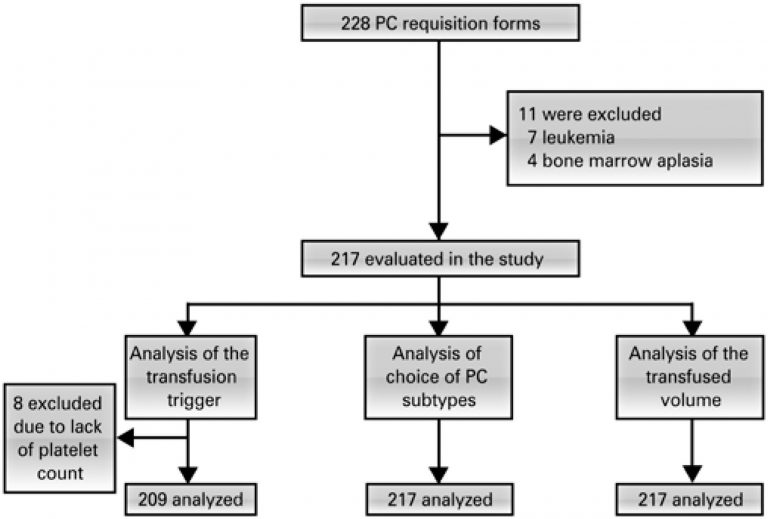
ABSTRACT Objective: To verify the adequacy of platelet concentrate prescription by pediatricians in different pediatric sectors of a general hospital. Methods: A cross-sectional study evaluating 218/227 platelet concentrate records in children and adolescents (zero to 13 years old), from January 2007 to April 2015, by the pediatricians of the emergency room, sick bay and intensive care unit. The requisitions were excluded in patients with hematological diseases and those without the number of platelets. Results: Children under 12 months received 98 […]
Keywords: Child; Emergency treatment; Hemorrhage; Platelet transfusion; Transfusion medicine
20/Aug/2019
Sarcopenia and sarcopenic obesity as prognostic predictors in hospitalized elderly patients with acute myocardial infarction
DOI: 10.31744/einstein_journal/2019AO4632
ABSTRACT Objective: To investigate the potential value of sarcopenia and sarcopenic obesity as prognostic predictors in hospitalized elderly patients with acute myocardial infarction. Methods: A cross-sectional study based on data collected from elderly patients with acute myocardial infarction, admitted to a public hospital located in the Northeastern region of Brazil, from April to July 2015. The diagnosis of sarcopenia was based on muscle mass, muscle strength and physical performance measurements. Cardiovascular risk and prognostic markers, such as troponin and creatine […]
Keywords: Aged; Cardiovascular diseases; Myocardial infarction; Obesity; Sarcopenia