03/Aug/2026
Mapping the evidence landscape of the oral microbiome-cancer relationship: insights from the 100 most-cited papers
einstein (São Paulo). 03/Aug/2026;24(spe3):eAO2412.
View Article03/Aug/2026
Mapping the evidence landscape of the oral microbiome-cancer relationship: insights from the 100 most-cited papers
DOI: 10.31744/einstein_journal/2026AO2412
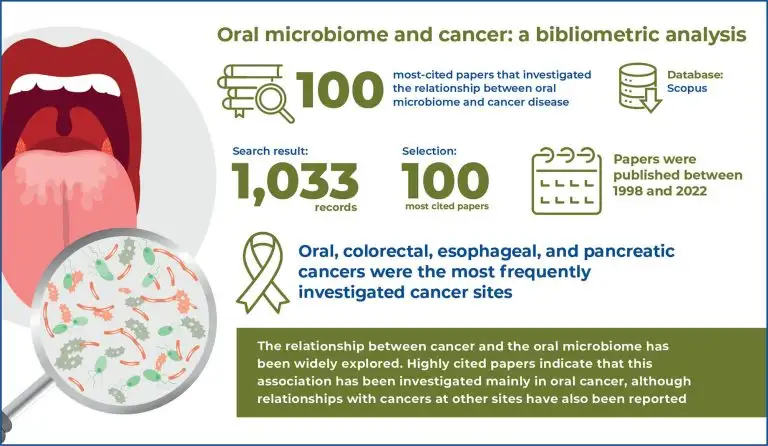
Highlights ■ First case series of aPDT+PBM for oral P. aeruginosa in oncology patients. ■ Complete lesion resolution in all cases (median healing time: 5 days). ■ High resistance to fluoroquinolones; aminoglycosides remained effective. ■ Combined light-based therapy is safe even in severe immunosuppression. ABSTRACT Objective: This study aimed to qualitatively and quantitatively analyze the 100 most-cited papers investigating the relationship between the oral microbiome and cancer. Methods: A qualitative and quantitative bibliometric study was conducted to evaluate the 100 […]
Keywords: Biofilms; Microbiota; Mouth; Neoplasms
Management of oral Pseudomonas aeruginosa infections in oncology patients using antimicrobial photodynamic therapy, photobiomodulation, and systemic antibiotics: a case series
03/Aug/2026
Management of oral Pseudomonas aeruginosa infections in oncology patients using antimicrobial photodynamic therapy, photobiomodulation, and systemic antibiotics: a case series
einstein (São Paulo). 03/Aug/2026;24(spe3):eAO2422.
View Article03/Aug/2026
Management of oral Pseudomonas aeruginosa infections in oncology patients using antimicrobial photodynamic therapy, photobiomodulation, and systemic antibiotics: a case series
DOI: 10.31744/einstein_journal/2026AO2422
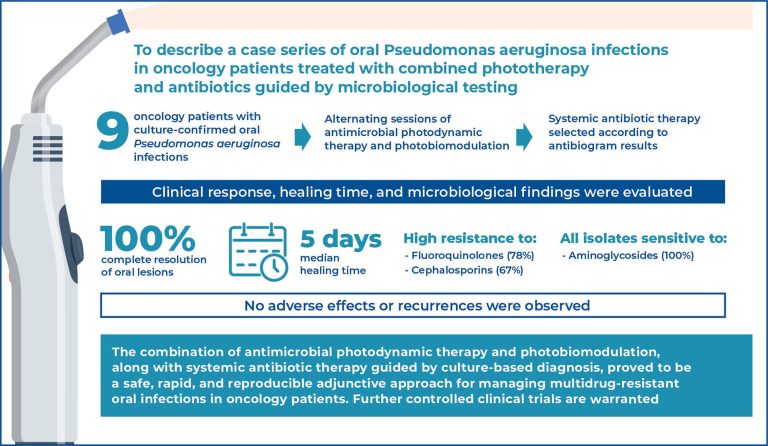
Highlights ■ First case series of aPDT+PBM for oral P. aeruginosa in oncology patients. ■ Complete lesion resolution in all cases (median healing time: 5 days). ■ High resistance to fluoroquinolones; aminoglycosides remained effective. ■ Combined light-based therapy is safe even in severe immunosuppression. ABSTRACT Objective: To describe a case series of oral Pseudomonas aeruginosa infections in oncology patients managed using combined antimicrobial photodynamic therapy and photobiomodulation in association with systemic antibiotic therapy guided by microbiological culture and antibiogram. Methods: […]
Keywords: Anti-infective agents; Immunocompromised host; Low-level light therapy; Neoplasms; Oral infections; Photochemotherapy; Pseudomonas aeruginosa
08/Jun/2026
Real-world genomic profiling of solid tumors: validation and clinical insights from a Brazilian cohort
DOI: 10.31744/einstein_journal/2026AO2000
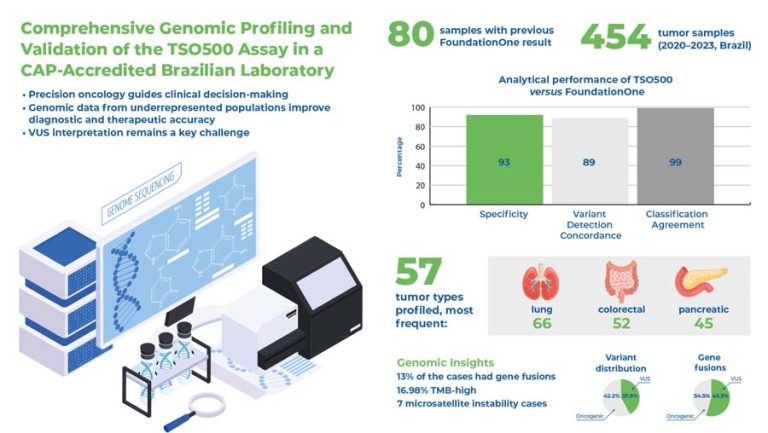
Highlights ■ TSO500 showed 93.39% sensitivity and high concordance with FoundationOne. ■ Comprehensive Genomic Profiling of 454 tumors revealed the genomic landscape of 57 cancer types. ■ Variants of uncertain significance comprised 57.9% of all genomic events, highlighting challenges in precision oncology. ■ Gene fusions occurred in 13% of cases, with 45.5% classified as variants of uncertain significance. ABSTRACT Background: Precision medicine has transformed cancer management by tailoring treatments to the molecular characteristics of a patient’s tumor. Comprehensive Genomic Profiling […]
Keywords: Brazilian molecular data; Genomic structural variation; High-throughput nucleotide sequencing; Illumina TruSight Oncology 500; Neoplasms; Precision medicine; Somatic alterations; Tumor molecular profiling
02/Apr/2026
Prospective study of the behavior of totally implantable catheters in female oncology patients with mammary hypertrophy
einstein (São Paulo). 02/Apr/2026;24:eAO1922.
View Article02/Apr/2026
Prospective study of the behavior of totally implantable catheters in female oncology patients with mammary hypertrophy
DOI: 10.31744/einstein_journal/2026AO1922
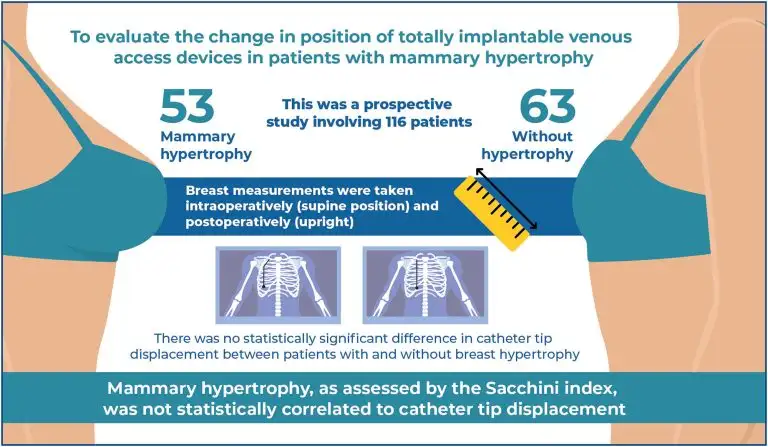
Highlights ■ Mammary hypertrophy was not associated with postoperative totally implantable venous access device catheter tip displacement. ■ Upright and supine chest radiography with a radiopaque ruler allowed precise quantification of catheter tip displacement. ■ Non-deforming chest wall surgery and a history of peripherally inserted central catheters history were significantly associated with catheter tip migration. ABSTRACT Objective: This study aimed to evaluate the change in the position of totally implantable venous access devices in patients with mammary hypertrophy compared to […]
Keywords: Breast; Catheterization, central venous; Hypertrophy; Mammaplasty; Neoplasms; Vascular access devices
11/Sep/2025
CT-guided preoperative localization of nonpalpable pulmonary lesions with a specifically designed device: evaluation of safety and efficacy
einstein (São Paulo). 11/Sep/2025;23:eAO1622.
View Article11/Sep/2025
CT-guided preoperative localization of nonpalpable pulmonary lesions with a specifically designed device: evaluation of safety and efficacy
DOI: 10.31744/einstein_journal/2025AO1622
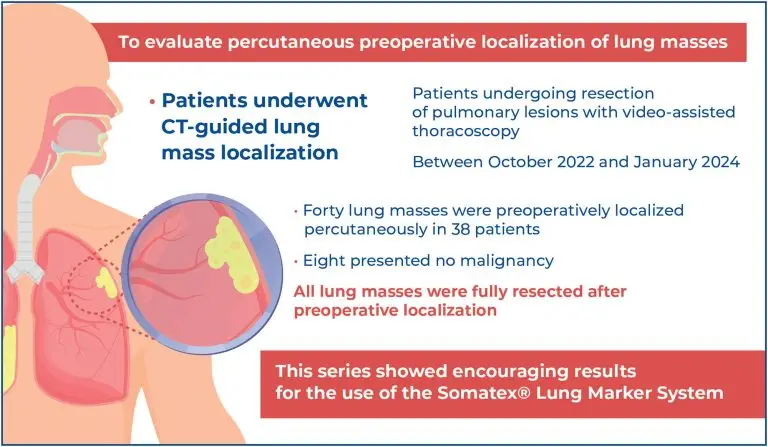
Highlight ■ This method enables surgeons to visually identify the lesion pathway without intraoperative imaging, enhancing precision and workflow. ■ A practical, cost-effective alternative to high-end technologies such as electromagnetic navigation bronchoscopy and hybrid operating rooms. ■ Metallic wires offer excellent intraoperative visibility on the lung surface, supporting their clinical utility. ■ All nonpalpable nodules were successfully resected, with no complications related to the preoperative localization procedure. ■ CT-guided preoperative localization of nonpalpable pulmonary lesions using a purpose-built device demonstrates […]
Keywords: Neoplasms; Preoperative period; Pulmonary nodule; Thoracic surgery, video-assisted; Thoracoscopy; Tomography, x-ray computed; Video-assisted surgery
13/Aug/2025
A prospective and longitudinal cohort study assessing postacute sequelae of SARS-CoV-2 infection in patients with cancer
einstein (São Paulo). 13/Aug/2025;23:eAO1139.
View Article13/Aug/2025
A prospective and longitudinal cohort study assessing postacute sequelae of SARS-CoV-2 infection in patients with cancer
DOI: 10.31744/einstein_journal/2025AO1139
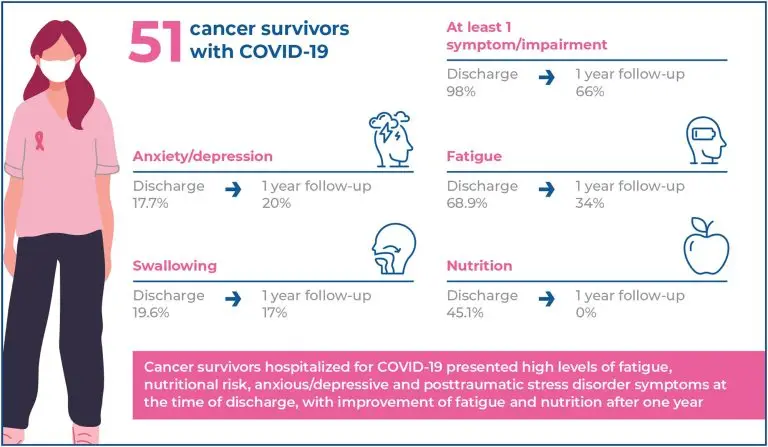
Highlights High fatigue and nutritional risk at discharge improved over one year in cancer survivors. Psychological symptoms, such as anxiety, depression, and posttraumatic stress disorder, remained prevalent for one year. 66% of patients had lasting symptoms or impairments after 12 months of follow-up. Nutritional risk was resolved in the following year. ABSTRACT Objective: Post-COVID symptoms are frequent and can be debilitating, particularly in individuals with cancer. However, their impact on this population remains unclear. This study aimed to prospectively assess […]
Keywords: Activities of Daily Living; Anxiet; Coronavirus infections; COVID-19; Depression; Fatigue; Hospitalization; Intensive care units; Neoplasms; Patient discharge; Post-acute COVID-19 syndrome; SARS-CoV-2; Stress disorders, post-traumatic; Symptom assessment
08/Aug/2025
Impact of a serious immersive virtual reality game in managing pain during venous or catheter procedures in Pediatric Oncology
DOI: 10.31744/einstein_journal/2025AO1327
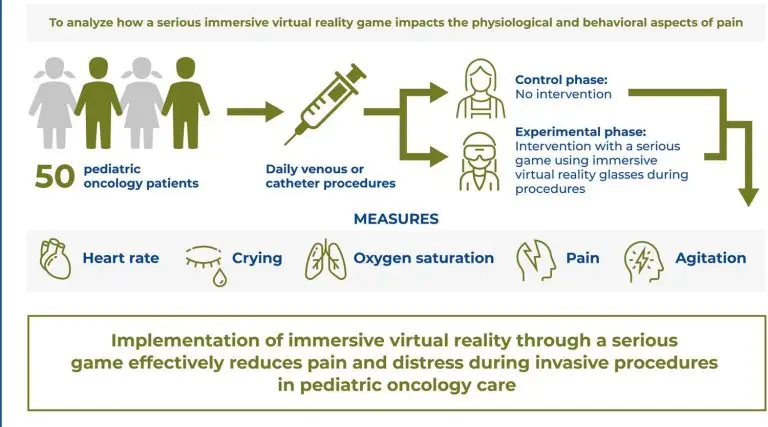
Highlights ■ Immersive virtual reality reduced heart rate, pain, agitation, and crying during pediatric venipuncture. ■ This technology effectively reduced pain during repeated invasive procedures, including catheter punctures. ■ The serious game strategy is low-cost, easy to implement, and well-suited for pediatric oncology care. ABSTRACT Objective: To analyze the impact of a serious immersive virtual reality game on the physiological and behavioral aspects of pain during peripheral venous access or central catheter puncture in children and adolescents with cancer. Methods: […]
Keywords: Acute pain; Adolescent; Catheterization, peripheral; Child; Heart rate; Neoplasms; Punctures; Virtual reality
11/Jul/2025
Translation and cross-cultural adaptation of the 2017 Oncology Nurse Navigator Core Competencies in Brazil
DOI: 10.31744/einstein_journal/2025AO1348
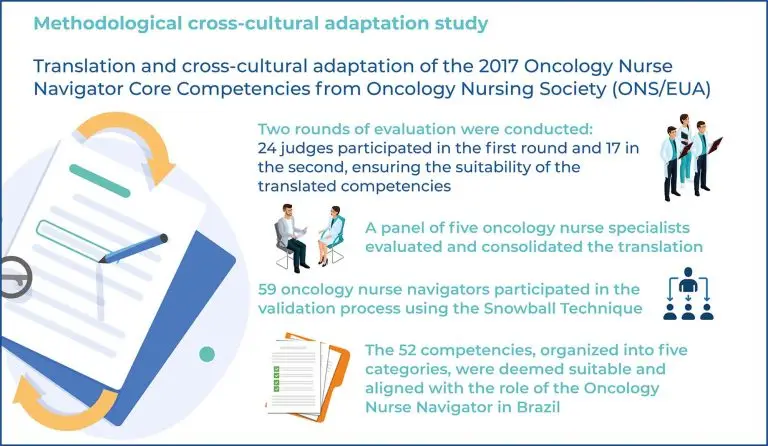
Highlights ■ The 52 Oncology Nurse Navigator Core Competencies, across five categories, were cross-culturally adapted. ■ The competencies outline oncology nurse navigator’s role in Brazil. Objective: This study aimed to translate and cross-culturally adapt the Oncology Nurse Navigator Core Competencies 2017 instrument into Brazilian Portuguese. Methods: This study used a methodological cross-cultural adaptation approach. After authorization from the authors of the original version of the Oncology Nurse Navigator Core Competencies 2017 comprising 52 competencies, the instrument was translated following the […]
Keywords: Disease management; Neoplasms; Nurses; Patient navigation; Professional competence
22/Nov/2024
Efficacy of treatment with tumor-infiltrating lymphocytes as adoptive cell therapy: an integrative review
einstein (São Paulo). 22/Nov/2024;22:eRW0935.
View Article22/Nov/2024
Efficacy of treatment with tumor-infiltrating lymphocytes as adoptive cell therapy: an integrative review
DOI: 10.31744/einstein_journal/2024RW0935
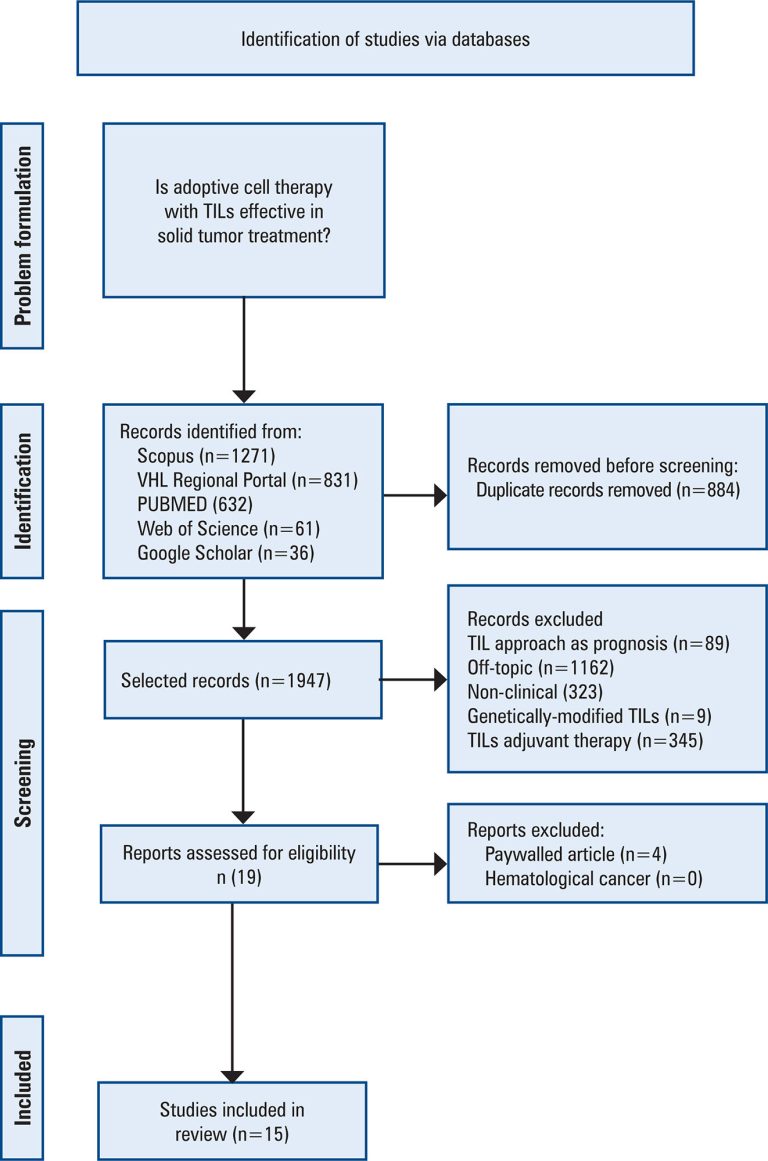
ABSTRACT Objective: This integrative review article examines the efficacy of adoptive cell therapy using tumor-infiltrating lymphocytes, with a particular focus on the treatment of melanomas and other solid tumors. Methods: The methodology encompasses theme definition, comprehensive database searches, and a critical review of pertinent literature. Of the 1,947 articles initially identified, 15 were meticulously selected based on stringent inclusion and exclusion criteria. Results: The findings suggest that tumor-infiltrating lymphocytes-based therapy is particularly effective in treating metastatic melanomas, as noted by […]
Keywords: Immunotherapy; Immunotherapy, adoptive; Lymphocytes, tumor-infiltrating; Neoplasms
13/Nov/2024
Current landscape of clinical use of ex vivo expanded natural killer cells for cancer therapy
DOI: 10.31744/einstein_journal/2024RW0612
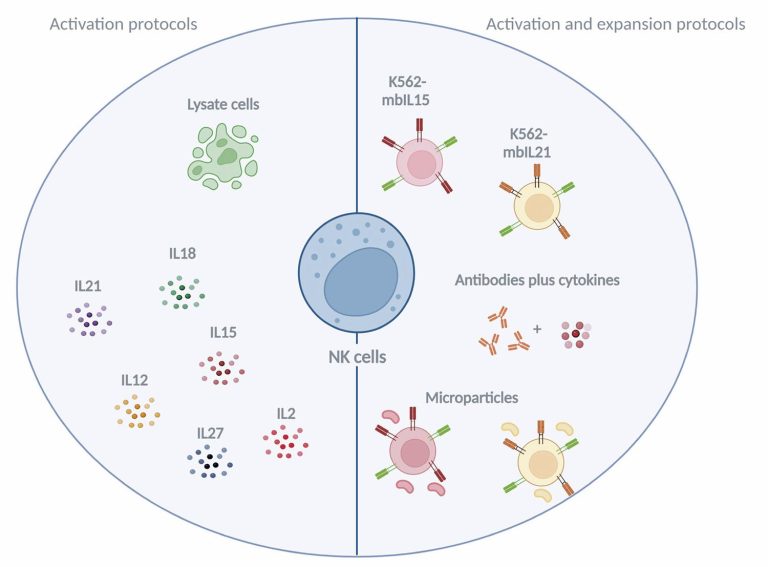
ABSTRACT Natural Killer cells are immune leukocytes required for responses against tumor cells and virus-infected cells. In the last decade, natural killer cells have emerged as promising tools in cancer therapy, and clinical studies on patients treated with natural killer cells have revealed increased rates of disease-free survival. In this article, we review results from the major clinical trials that have used natural killer cells for cancer treatment, including their global distribution. We also discuss the major mechanisms of natural […]
Keywords: Cell culture techniques; Cell- and tissue-based therapy; Feeder cells; Immunotherapy; Natural killer cells; Neoplasms