08/Apr/2026
Irreversible electroporation combined with immunotherapy versus irreversible electroporation alone for locally advanced pancreatic cancer: a systematic review and meta-analysis
einstein (São Paulo). 08/Apr/2026;24:eRW1656.
View Article08/Apr/2026
Irreversible electroporation combined with immunotherapy versus irreversible electroporation alone for locally advanced pancreatic cancer: a systematic review and meta-analysis
DOI: 10.31744/einstein_journal/2026RW1656
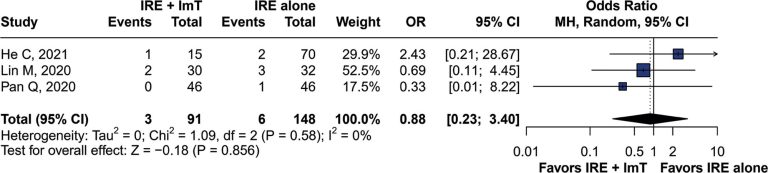
ABSTRACT Objective: The aim of this meta-analysis was to determine the efficacy and safety of percutaneous irreversible electroporation combined with immunotherapy compared with irreversible electroporation alone in patients with locally advanced pancreatic cancer. Methods: We systematically searched Embase, Cochrane Central Register of Controlled Trials, and PubMed/Medline for relevant studies. The outcomes of interest were progression-free survival, overall survival, carbohydrate antigen 19-9 (CA 19-9) levels, and adverse events. Progression-free survival and overall survival were assessed using pooled hazard ratios (HR), odds […]
Keywords: Ablation techniques; Electroporation; Immunotherapy; Pancreatic neoplasms
01/Apr/2026
One-dimensional computational circulatory models: a scoping review
DOI: 10.31744/einstein_journal/2026RW1854
ABSTRACT Background Computational modeling of human circulatory system has evolved significantly in recent decades. Among the various modeling strategies, one-dimensional (1D) models have emerged as alternatives to more complex models because of their balance between physiological accuracy and computational efficiency. Objective This scoping review aimed to summarize and compare the studies on 1D computational models of the entire circulatory system, including those that incorporated additional 0D and 3D components. Methods A systematic search was performed for studies on computational 1D […]
Keywords: Cardiovascular system; Hemodynamics; Mathematical computing; Models
16/Mar/2026
Utilizing Artificial Intelligence to create narrative literature reviews
DOI: 10.31744/einstein_journal/2026RW1165
ABSTRACT This study explores the potential impact of Artificial Intelligence on narrative literature reviews in academic research. The literature review process involves finding, analyzing, and synthesizing relevant literature and is crucial for situating new research within existing knowledge. The integration of Artificial Intelligence tools, specifically Large Language Models such as the Generative Pre-Trained Transformer series, can significantly improve the efficiency and effectiveness of this process. This paper outlines the steps involved in conducting a literature review and examines how Artificial […]
Keywords: Artificial intelligence; Medical writing; Research design; Review literature as topic
16/Mar/2026
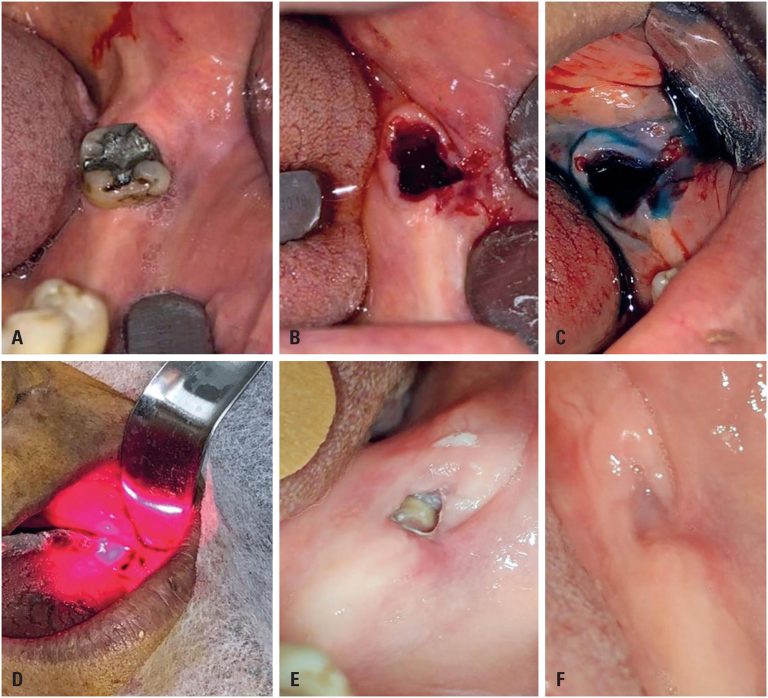
Topical tranexamic acid powder for bleeding control in dentistry: a scoping review
DOI: 10.31744/einstein_journal/2026RW1859
ABSTRACT Objective: This scoping review evaluated the efficacy of topical tranexamic acid powder, prepared from crushed tablets, for bleeding prevention during minor oral surgical procedures. Methods: A comprehensive literature search was conducted in accordance with PRISMA-ScR guidelines across MEDLINE/PubMed, Elsevier, Embase, BVSalud, Web of Science, and Periódicos CAPES. Studies investigating topical tranexamic acid in powder form for minor dental procedures were included. Reviews, in vitro or animal studies, and investigations focusing on systemic, injectable, or mouthwash formulations of tranexamic acid […]
Keywords: Hemostasis; Surgery, oral; Tranexamic acid
13/Feb/2026
Anesthetic practices and physiological foundations in fetal surgery: a literature review
DOI: 10.31744/einstein_journal/2026RW1538
ABSTRACT Fetal anesthesia plays a critical role in ensuring maternal and fetal safety and optimizing outcomes during fetal surgical interventions. Despite its importance, there is currently no consensus regarding optimal anesthetic strategies for these procedures. This narrative review explores the principal types of fetal surgery, including minimally invasive and fetoscopic procedures, open fetal surgery, and Ex Utero Intrapartum Treatment, with particular emphasis on the factors influencing anesthetic decision-making. A comprehensive literature search was conducted across SciELO, PubMed, and Google Scholar, […]
Keywords: Anesthesia; Fetal therapies; Perinatology; Physiology
03/Feb/2026
Mutational signatures in hematological malignancies
einstein (São Paulo). 03/Feb/2026;24:eRW1961.
View Article03/Feb/2026
Mutational signatures in hematological malignancies
DOI: 10.31744/einstein_journal/2026RW1961
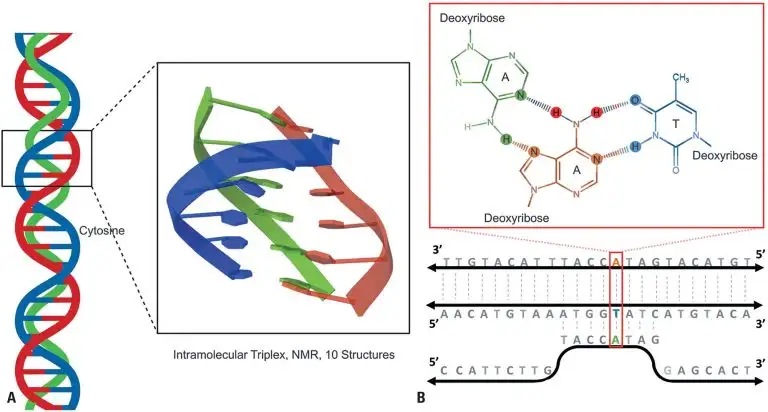
ABSTRACT The set of somatic mutations present in a human tumor is a record of one or more mutational processes, each of which leaves distinct “signature” of mutation types. Mutation types can be classified in various ways, the most straightforward being the base change induced by a single-base substitution (e.g., C>A, T>G, etc.). The advent of high-throughput DNA sequencing has facilitated the comprehensive, genome-wide assessment of mutation types in human tumors. This has spurred the development of methodology to tease […]
Keywords: Hematological malignancy; Mutational signatures
17/Dec/2025
The new fitness world: commodifying well-being in the neoliberal era
DOI: 10.31744/einstein_journal/2026RW1778
ABSTRACT This paper examines the fitness industry as a by-product of neoliberal ideology, using “The New Way of the World: On Neoliberal Society” as a conceptual framework. Neoliberalism, as articulated by Dardot and Laval, extends beyond economic policy to shape governance and human behavior by embedding market-driven rationality into everyday life. The fitness industry, with its emphasis on individual responsibility for health and self-optimization, exemplifies core neoliberal tenets. It fosters the notion of the “entrepreneurial self,” wherein success or failure […]
Keywords: Health policies; Neoliberalism; Physical fitness; Well-being
17/Dec/2025
Scientific breakthroughs in the COVID-19 era: embracing Ernst Mayr towards an epistemic renewal of Medicine
DOI: 10.31744/einstein_journal/2026RW1785
ABSTRACT The present study examines the development of medical science during the COVID-19 pandemic in light of Ernst Mayr’s critique of Thomas Kuhn’s philosophy of scientific revolutions. Kuhn’s model, which emphasizes paradigm shifts and disruptive changes in scientific practice, contrasts with the evolutionary and cumulative nature of biological sciences, as argued by Mayr. Revisiting Mayr’s critique, we question the applicability of Kuhn’s model to the COVID-19 pandemic by using vaccine development as a case study. We argue that the rapid […]
Keywords: Coronavirus infections; COVID-19; Knowledge; Philosophy; Science; Vaccines
17/Dec/2025
Effect of non-invasive ventilation and high-flow nasal cannula on hospital mortality in COVID-19-induced acute respiratory failure: a meta-analysis
einstein (São Paulo). 17/Dec/2025;24:eRW0695.
View Article17/Dec/2025
Effect of non-invasive ventilation and high-flow nasal cannula on hospital mortality in COVID-19-induced acute respiratory failure: a meta-analysis
DOI: 10.31744/einstein_journal/2026RW0695
ABSTRACT Background Non-invasive respiratory support strategies, such as high-flow nasal cannula therapy and non-invasive ventilation, were widely employed during the coronavirus disease 2019 (COVID-19) pandemic, yet their comparative effectiveness remains uncertain. Objective To compare the effects of high-flow nasal cannula therapy, non-invasive ventilation, and conventional oxygen therapy on intubation rates and hospital mortality in adults with COVID-19-related acute respiratory failure. Methods A systematic review and meta-analysis was conducted following PRISMA and Cochrane guidelines, with searches performed in nine databases for […]
Keywords: COVID-19; Intubation; Mortality; Noninvasive ventilation; Oxygen inhalation therapy; Respiratory insufficiency; SARS-CoV-2
17/Dec/2025
Computed tomography imaging features of major pulmonary and extrapulmonary complications of fibrotic lung diseases
einstein (São Paulo). 17/Dec/2025;24:eRW0987.
View Article17/Dec/2025
Computed tomography imaging features of major pulmonary and extrapulmonary complications of fibrotic lung diseases
DOI: 10.31744/einstein_journal/2026RW0987
ABSTRACT Patients diagnosed with fibrosing interstitial lung disease are at risk of several complications, some of which may be life-threatening. Computed tomography imaging plays an important role in diagnosing these overlapping conditions. This article summarizes the computed tomography imaging features of the most common conditions associated with fibrosing interstitial lung diseases, categorized by involvement of the lung parenchyma or extra-pulmonary compartments. Some steps may help to recognize such complications, such as having knowledge of the underlying fibrotic lung disease, being […]
Keywords: Acute lung injury; Diagnostic imaging; Idiopathic interstitial pneumonias; Lung diseases, interstitial; Tomography, x-ray computed