28/May/2026
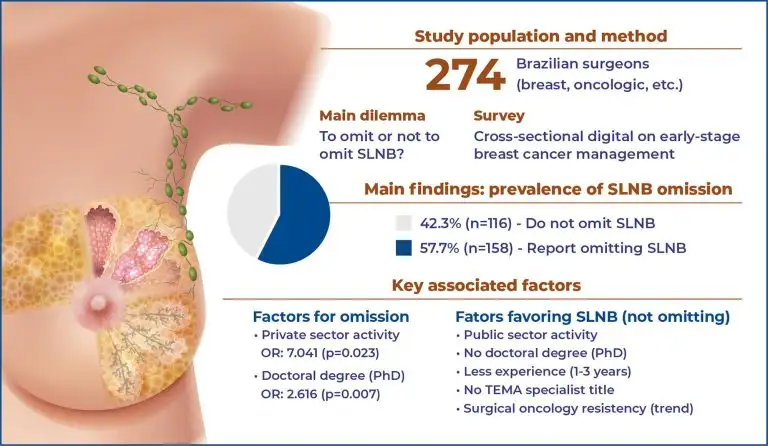
Omission of sentinel lymph node biopsy in breast cancer: a survey of Brazilian breast surgeons
einstein (São Paulo). 28/May/2026;24:eAO1673.
View Article28/May/2026
Omission of sentinel lymph node biopsy in breast cancer: a survey of Brazilian breast surgeons
DOI: 10.31744/einstein_journal/2026AO1673
Highlights ■ De-escalation of axillary surgery has become a priority in breast cancer treatment. ■ Factors associated with the decision to omit sentinel lymph node biopsy were collected via questionnaire. ■ Sentinel lymph node biopsy was omitted more often by private doctors and those holding a doctoral degree. ■ Continuing medical education initiatives are needed to update other groups. ABSTRACT Objective: Considering the increasing number of new breast cancer cases and the morbidity associated with axillary lymph node dissection in […]
Keywords: Breast neoplasms; Mastectomy, segmental; Overtreatment; Sentinel lymph node biopsy; Surveys and questionnaires; Survival analysis
22/May/2026
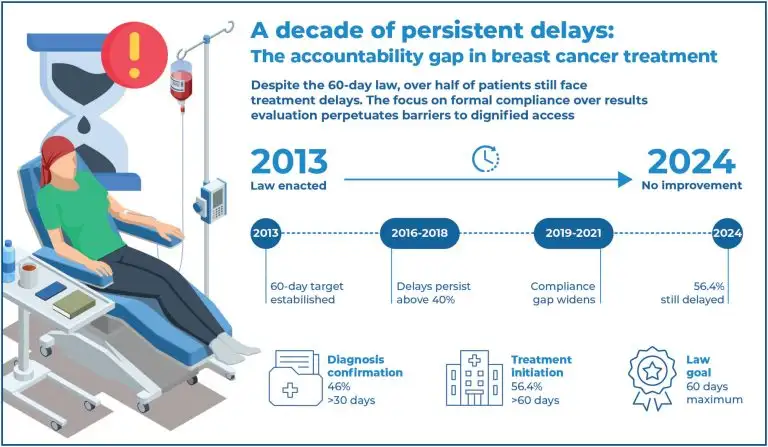
Public accountability and health policy: the case of the 60-day Law in ensuring access to breast cancer treatment in São Paulo State
DOI: 10.31744/einstein_journal/2026AO2286
Highlights ■ Law 12.732/12 had limited impact on breast cancertreatment access. ■ Persistent delays in breast cancer diagnosis & treatment in São Paulo, 2013-2024. ■ External oversight prioritizes compliance, not direct results evaluation. ■ Reorient oversight to induce greater managerial accountability. ABSTRACT Objective: This article analyzed the impact of Law No. 12,732/2012 on breast cancer care in São Paulo State (Brazil) between 2013 and 2024, as well as the role of external oversight. Methods: This qualitative-quantitative study used 58,892 records […]
Keywords: Breast neoplasms; Health care quality, access, and evaluation; Health equity; Health policy; Public accountability
23/Apr/2026
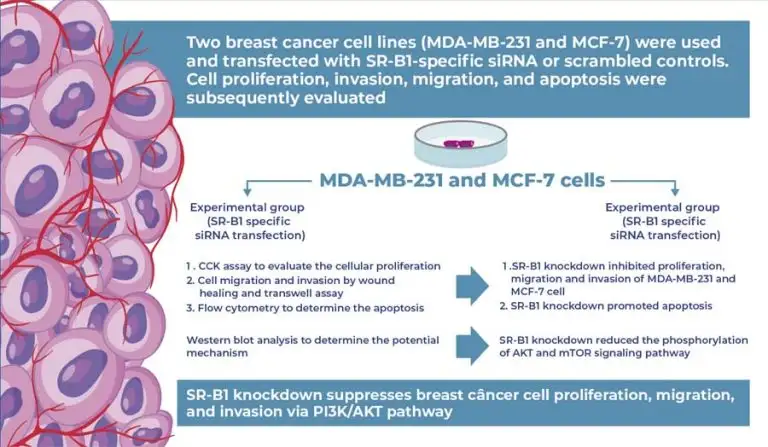
SR-B1 knockdown suppresses breast cancer cell proliferation, migration, and invasion via the PI3K/AKT pathway
DOI: 10.31744/einstein_journal/2026AO1908
Highlights ■ SR-B1 knockdown inhibits breast cancer cell proliferation and migration. ■ Silencing SR-B1 promotes apoptosis in breast cancer cells. ■ PI3K/AKT pathway activity decreases after SR-B1 knockdown. ■ Cyclin D1 and P70 are downregulated following SR-B1 silencing. ABSTRACT Background: The role of scavenger receptor class B type 1 (SR-B1) in breast cancer remains largely unknown. Objective: This study aimed to investigate the effects of SR-B1 on breast cancer cell proliferation, migration, and invasion and to elucidate the underlying mechanisms. […]
Keywords: Breast neoplasms; Carcinoma, ductal, breast; Cell proliferation; PI3K/AKT pathway; Scavenger Receptors, Class B; SR-B1
17/Dec/2025
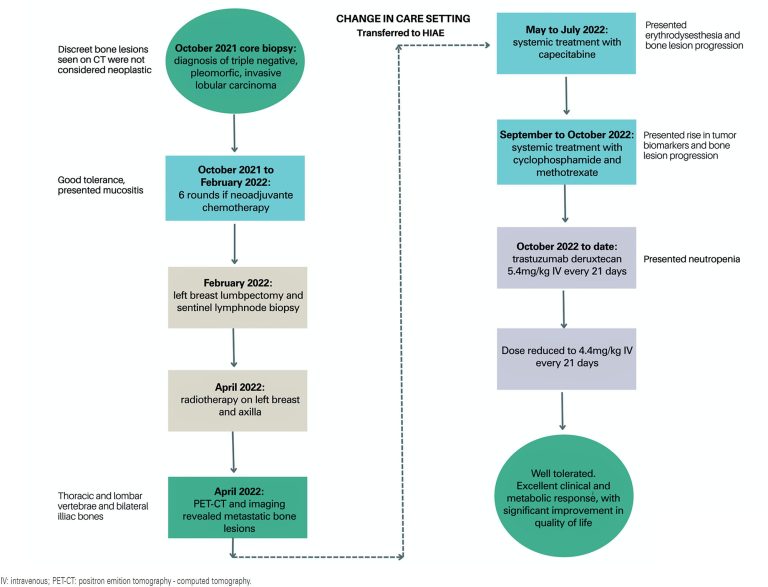
Response to trastuzumab-deruxtecan in metastatic triple-negative breast cancer with both HER2 mutation and low expression
einstein (São Paulo). 17/Dec/2025;24:eRC1689.
View Article17/Dec/2025
Response to trastuzumab-deruxtecan in metastatic triple-negative breast cancer with both HER2 mutation and low expression
DOI: 10.31744/einstein_journal/2026RC1689
Abstract Breast cancer is one of the most prevalent and heterogeneous cancers worldwide; however, it remains a complex and enigmatic disease. Advances in targeted therapies combined with increasing knowledge about tumor subtypes and molecular profiling have placed precision medicine on the frontier of oncological treatments. The recent classification of certain HER2 tumors as HER2-low, along with emerging evidence from studies using antibody-drug conjugates to target specific tumor profiles, highlights the relevance of this case study. This report describes the treatment […]
Keywords: Breast neoplasms; Immunoconjugates; Molecular targeted therapy; Precision medicine; Receptor, ErbB-2; Trastuzumab deruxtecan
05/Jun/2025
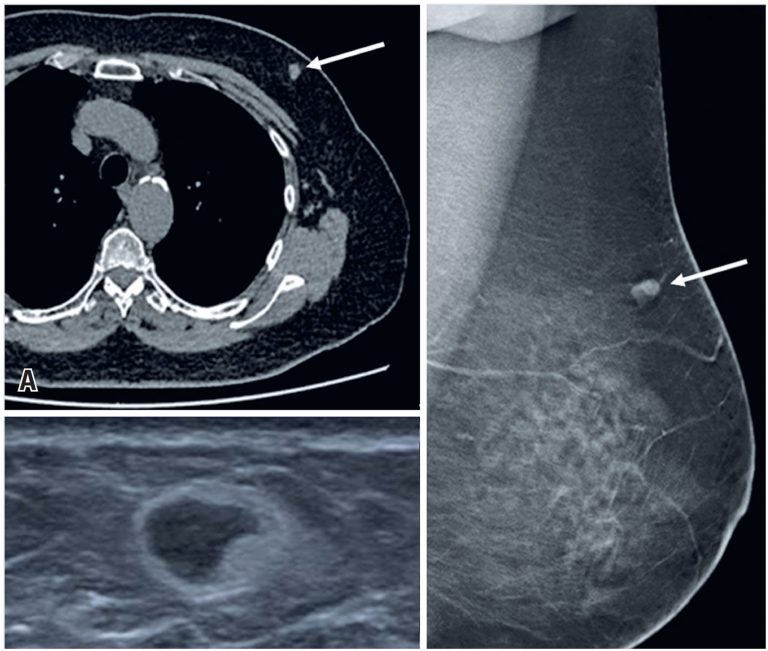
Incidentally detected breast lesions: a pictorial essay of malignant and benign findings
DOI: 10.31744/einstein_journal/2025RW0681
ABSTRACT Incidentalomas are lesions incidentally identified in patients undergoing imaging for unrelated reasons. Breast incidentalomas have a high correlation with malignancy, occurring in over 40% of cases. Consequently, their interpretation poses significant challenges for radiologists who must discern the findings that may present a potential risk to the patient. This pictorial review presents different incidental breast lesions revealed through cross-sectional imaging. We further review key concepts related to such incidentalomas.
Keywords: Breast neoplasms; Diagnostic imaging; Incidental findings; Incidentalomas; Positron emission tomography computed tomography; Tomography, x-ray computed
28/Apr/2025
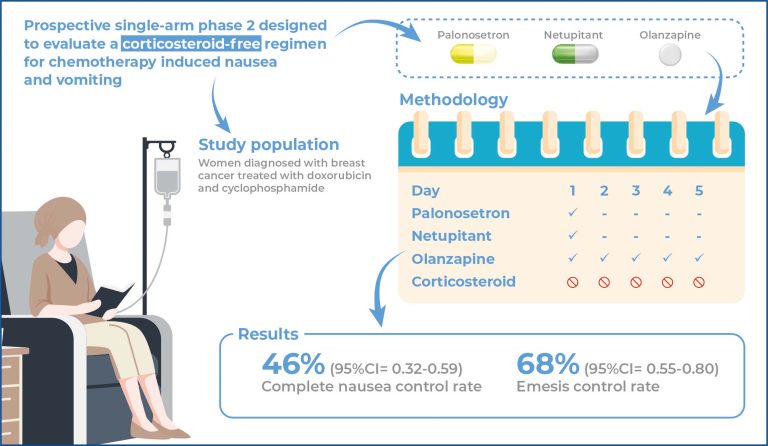
Omission of dexamethasone in prophylaxis for highly emetogenic chemotherapy in patients with breast cancer
DOI: 10.31744/einstein_journal/2025AO1124
Highlights ■ Evaluation of a corticosteroid-free antiemetic regimen. ■ Primary endpoint: 46% nausea control. ■ Secondary endpoint: 68% emesis control. ■ Comparable to standard four-drug protocols. ABSTRACT Objective: Chemotherapy-induced nausea and vomiting are highly prevalent adverse events that can lead to poor treatment adherence and a decreased quality of life. To the best of our knowledge, the complete omission of dexamethasone from any regimen for preventing nausea and vomiting has not yet been evaluated. This study aimed to evaluate the […]
Keywords: Antineoplastic agents; Breast neoplasms; Dexamethasone; Drug therapy; Drug-related side effects and adverse reactions; Nausea; Olanzapine; Vomiting
07/Apr/2025
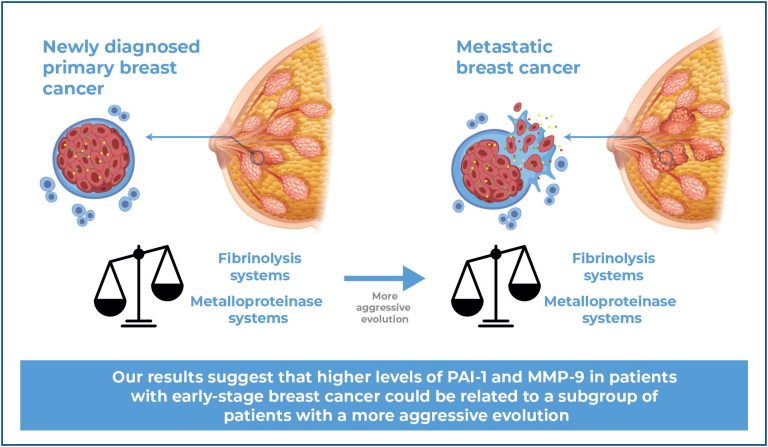
A cross-sectional study on the expression of fibrinolytic system components and metalloproteinase-9 in women with early-stage and metastases breast cancer in Tucumán, Argentina
einstein (São Paulo). 07/Apr/2025;23:eAO1237.
View Article07/Apr/2025
A cross-sectional study on the expression of fibrinolytic system components and metalloproteinase-9 in women with early-stage and metastases breast cancer in Tucumán, Argentina
DOI: 10.31744/einstein_journal/2025AO1237
Highlights ■ No clinically significant differences were observed in platelet counts or global coagulation test results. ■ t-PA values decreased in patients with metastases. ■ PAI-1, DD, and MMP-9 levels increased in patients with metastases. ■ High levels of PAI-1 and MMP-9 in the early stages could indicate an aggressive course in patients. ABSTRACT Objective: The hemostatic and matrix metalloproteinase (MMP) systems are known to be altered in patients with breast cancer. This cross-sectional study aimed to explore the fibrinolysis […]
Keywords: Breast disease; Breast neoplasms; Fibrinolysis; Matrix metalloproteinase; Metastasis neoplasms; Plasminogen activator inhibitor 1; Standard coagulation tests
28/Mar/2025
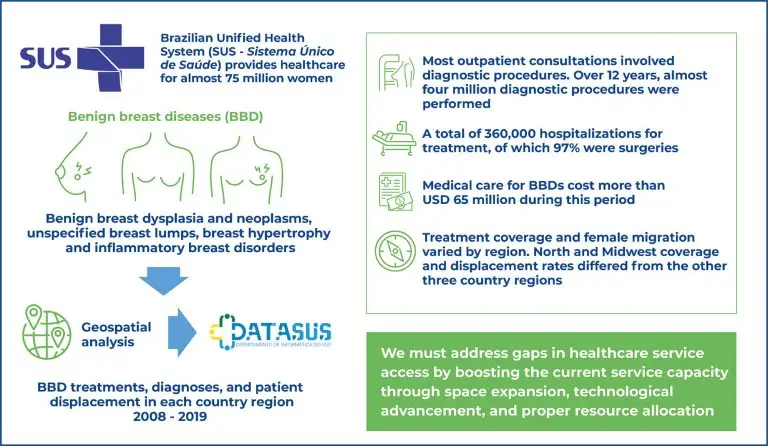
Brazil’s benign breast disease care profile and geospatial analysis
DOI: 10.31744/einstein_journal/2025AO1132
Highlights ■ Most outpatient consultations comprised diagnostic procedures. ■ In the past 12 years, medical care for benign breast diseases has cost >USD 65 million. ■ Women from North and Midwest Brazil had higher diagnosis and treatment displacement rates. ABSTRACT Objective: To quantitatively and geospatially analyze coverage and displacement for the diagnosis and treatment of benign breast diseases in the Brazilian Unified Health System between 2008 and 2019. Methods: Datasets from the Brazilian Ministry of Health were used to survey […]
Keywords: Brazil; Breast diseases; Breast neoplasms; Demography; Epidemiology; Health expenditures; Healthcare costs; Hospitalization; Incidence; Primary healthcare; Public health; Strategy planning; Unified Health System
07/Oct/2024
Knowledge related to breast cancer screening programs by physicians in Brazil
DOI: 10.31744/einstein_journal/2024AO0760
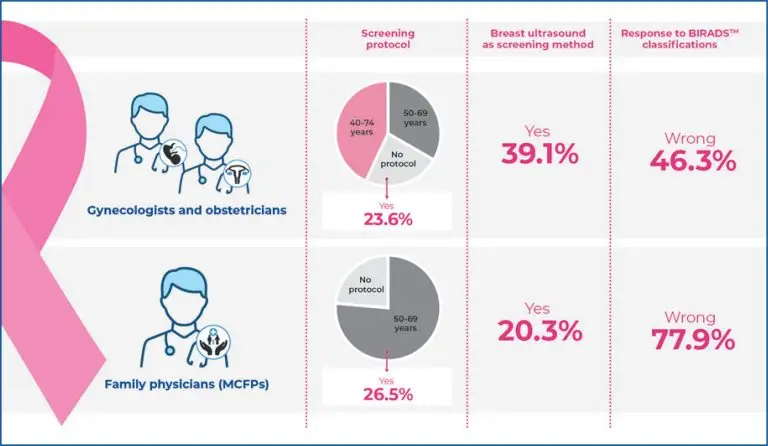
Highlights Variability in screening protocols: only 42.8% of gynecologists and obstetricians follow the 40-74 years protocol, while 76.6% of family physicians follow the 50-69 years protocol. High rate of incorrect BIRADS™ interpretation: there were 46.3% incorrect responses among gynecologists and obstetricians and 77.9% among family physicians, highlighting significant knowledge gaps. Misconception about breast ultrasound: 39.1% of gynecologists and obstetricians and 20.3% of family physicians incorrectly consider ultrasound as a screening method. Impact of inadequate training: inadequate training leads to improper […]
Keywords: attitudes; Brazil; Breast neoplasms; Family; Gynecologists; Health knowledge; Mammography; Mass screening; Obstetricians; Physicians; practice; Preventive medicine; Surveys and questionnaires
14/Mar/2024
Quality of life of women who underwent breast cancer treatment relative to sociodemographic, behavioral, and clinical factors
einstein (São Paulo). 14/Mar/2024;22:eAO0585.
View Article14/Mar/2024
Quality of life of women who underwent breast cancer treatment relative to sociodemographic, behavioral, and clinical factors
DOI: 10.31744/einstein_journal/2024AO0585
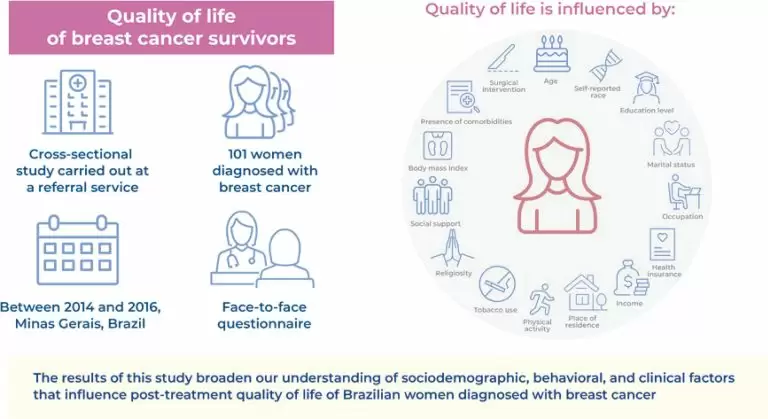
Highlights Sociodemographic, clinical, and lifestyle factors impact the quality of life of breast cancer survivors. Breast cancer therapy may affect future perspectives and emotional, cognitive, and sexual function. Some aspects of quality of life still require attention from health professionals. ABSTRACT Objective: Patients with cancer often undergo multiple extended treatments that decrease their quality of life. However, the quality of life of women with breast cancer after they undergo treatment remains underexplored in Brazil. Therefore, this study determined sociodemographic, behavioral, […]
Keywords: Activities of Daily Living; Breast neoplasms; Life style; Quality of life; Sociodemographic factors; Surveys and questionnaires