8 results
23/Jul/2025
DOI: 10.31744/einstein_journal/2025GS0679
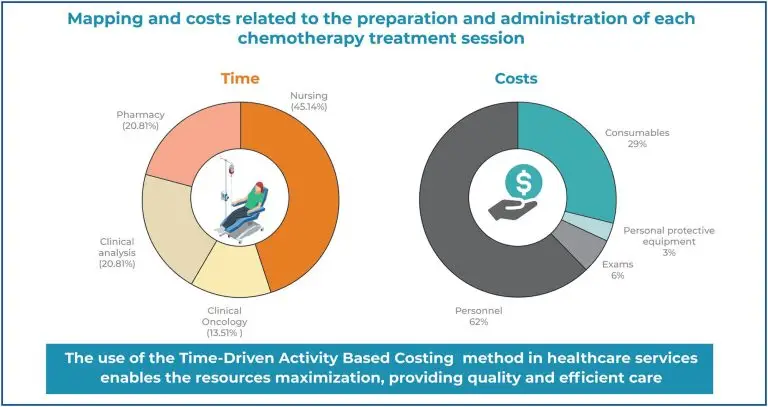
Highlights ■ Using the Time-Driven Activity-Based Costing method in healthcare services enables resource maximization with better control of processes and financing. ■ The estimated cost of treating a patient per antineoplastic session is R$ 470,35. ■ Such analyses can help establish pricing strategies and identify necessary adjustments to the financing model in oncology. ABSTRACT Objective: To identify the costs pertaining to the preparation and administration process of each chemotherapy treatment session in a public oncology hospital belonging to the Brazilian […]
Keywords: Antineoplastic agents; Costs and cost analysis; Drug therapy; Health care costs; Health Services; Medical oncology; Micro-costing; Technology assessment, biomedical; Unified Health System
28/Apr/2025
DOI: 10.31744/einstein_journal/2025AO1124
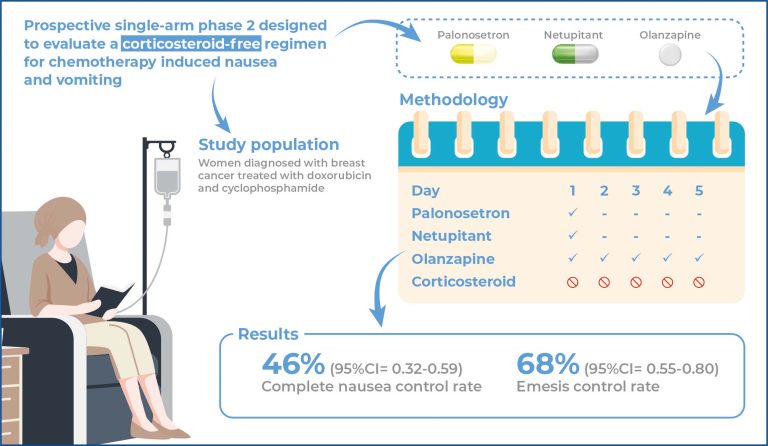
Highlights ■ Evaluation of a corticosteroid-free antiemetic regimen. ■ Primary endpoint: 46% nausea control. ■ Secondary endpoint: 68% emesis control. ■ Comparable to standard four-drug protocols. ABSTRACT Objective: Chemotherapy-induced nausea and vomiting are highly prevalent adverse events that can lead to poor treatment adherence and a decreased quality of life. To the best of our knowledge, the complete omission of dexamethasone from any regimen for preventing nausea and vomiting has not yet been evaluated. This study aimed to evaluate the […]
Keywords: Antineoplastic agents; Breast neoplasms; Dexamethasone; Drug therapy; Drug-related side effects and adverse reactions; Nausea; Olanzapine; Vomiting
11/Oct/2023
11/Oct/2023
DOI: 10.31744/einstein_journal/2023AO0273
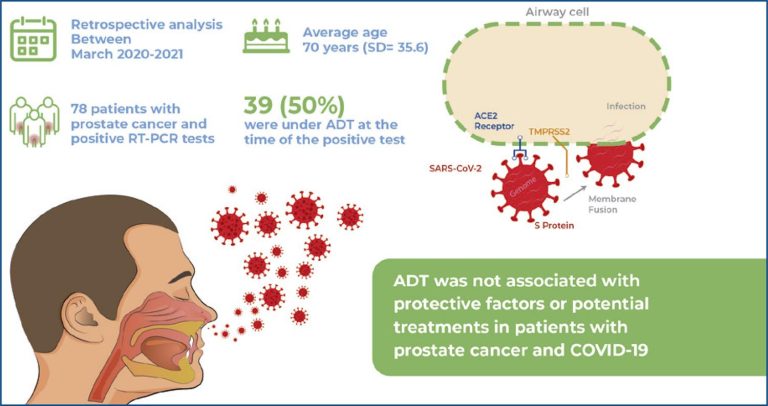
Highlights We were unable to prove an association between the use of androgen deprivation therapy and a reduction in factors associated with worse clinical outcomes. Most of the data presented show a tendency to favor the outcomes of patients who do not undergo androgen deprivation therapy, which can be explained by the fact that, in general, their clinical conditions are better and their performance status scores are lower than those of patients who undergo androgen deprivation therapy. ABSTRACT Objective: To […]
Keywords: Androgens; Antineoplastic agents; Coronavirus infections; COVID-19; hormonal; Prostatic neoplasms; SARS-CoV-2
11/Jul/2019
DOI: 10.31744/einstein_journal/2019RW4628
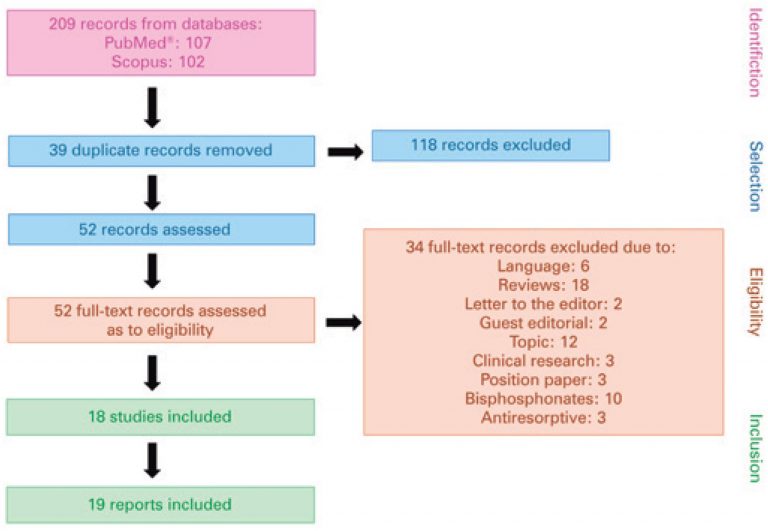
ABSTRACT To establish the profile of patients who developed antiangiogenic agent-related osteonecrosis of the jaws, and identify the treatments currently used in dental management. We searched the PubMed®/Medline® and Scopus databases using the words “osteonecrosis AND antiangiogenic therapy”, with the following inclusion criteria: articles published in English, case reports, available online, and for an unlimited period. Of the 209 articles retrieved, 18 were selected, for a total of 19 case reports, since one article included two cases that met the […]
Keywords: Angiogenesis inhibitors; Antineoplastic agents; Dental care; Metastatic neoplasm; Osteonecrosis
19/Apr/2018
DOI: 10.1590/S1679-45082018AO4122
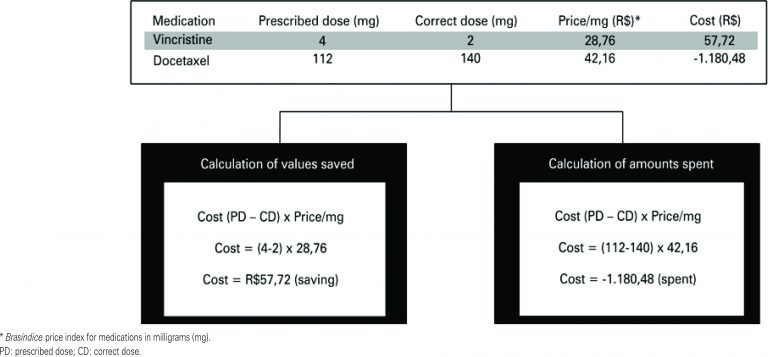
ABSTRACT Objective To demonstrate economic impact of pharmaceutical evaluation in detection and prevention of errors in antineoplastic prescriptions. Methods This was an observational and retrospective study performed in a cancer hospital. From July to August 2016 pharmacists checked prescriptions of antineoplastic and adjuvant drugs. Drug-related problems observed were classified and analyzed concerning drug, pharmaceutical intervention, acceptability and characteristic of the error. In case of problem related to dose, we calculated a deviation percentage related with correct dose and value spent […]
Keywords: Antineoplastic agents; Drug prescriptions; Economics, pharmaceutical; Medication errors; Oncology service, hospital; Pharmaceutical services
12/Jul/2017
12/Jul/2017
DOI: 10.1590/S1679-45082017RC3784
ABSTRACT Acute myeloid leukemia is a hematopoietic stem cell neoplastic disease associated with high morbidity and mortality. The presence of FLT3 internal tandem duplication mutations leads to high rates of relapse and decreased overall survival. Patients with FLT3 internal tandem duplication are normally treated with hematopoietic stem cell transplantation in first complete remission. Nevertheless, the incidence of post-transplant relapse is considerable in this group of patients, and the management of this clinical condition is challenging. The report describes the outcomes […]
Keywords: acute/drug therapy; Antineoplastic agents; Case reports; Induction chemotherapy; Leukemia, monocytic; Recurrence
01/Jul/2016
DOI: 10.1590/S1679-45082016AO3667
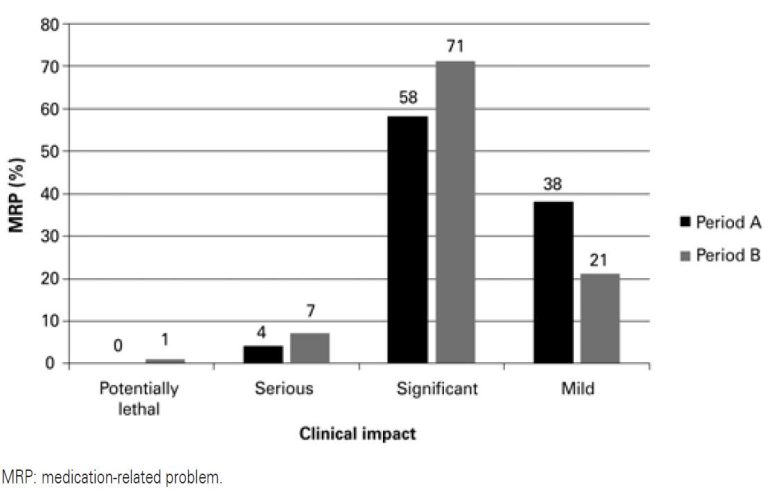
ABSTRACT Objective: To implement a clinical pharmacy service focused on the comprehensive review of antineoplastic drugs used in therapy of hematological diseases. Methods: An interventional study was conducted in a Brazilian tertiary teaching hospital in two different periods, with and without a clinical pharmacy service, respectively. This service consisted of an antineoplastic prescription validation (analysis of patients’ characteristics, laboratory tests, compliance with the therapeutic protocol and with pharmacotechnical parameters). When problems were detected, the pharmacist intervened with the physician or […]
Keywords: Antineoplastic agents; Drug evaluation; Drug prescriptions; Hematologic agents; Hematologic diseases; Pharmacy service, hospital
01/Apr/2015
01/Apr/2015
DOI: 10.1590/S1679-45082015AO3326
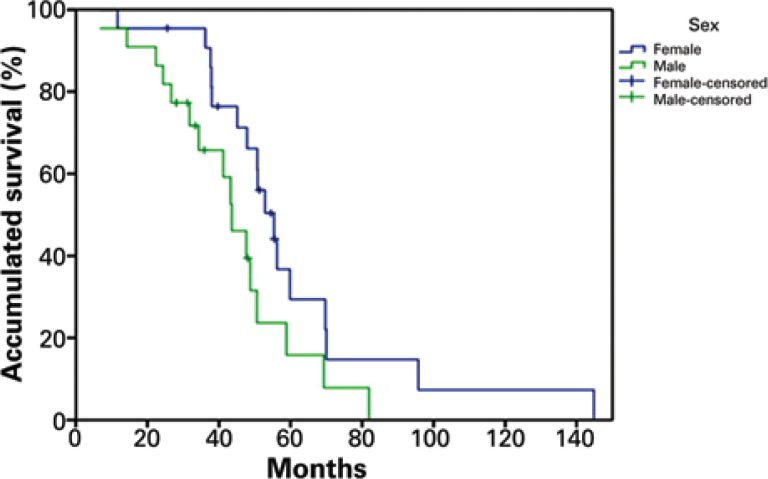
ABSTRACT Objective: To report the demographic data and clinical outcomes of non-small-cell lung cancer patients exposed to erlotinib in any line of treatment. Methods: This was a retrospective cohort study of nonsmall-cell lung cancer patients from a reference general hospital and a private oncology clinic, who received erlotinib from 2005 to 2011. Statistical analysis was performed and we evaluated demographic data and response to treatment, by correlating the results of this first cohort published in Brazil with results of current […]
Keywords: Antineoplastic agents; Carcinoma, non-small cell lung; Genes, erbB-1; Protein kinase inhibitors; Receptor, epidermal growth factor