17/Jun/2019
Physical activity level and lifestyle perception in prebariatric surgery patients
DOI: 10.31744/einstein_journal/2019AO4619
Abstract Objective To determine sociodemographic characteristics, lifestyle perception and physical activity levels in obese prebariatric surgery patients. Methods A quantitative, cross-sectional study. The sample comprised 96 male and female morbidly obese prebariatric surgery patients. Questionnaires addressing sociodemographic profile, lifestyle perception and physical activity levels were applied. Results Patients were aged 40.3±11.45 years. Inadequate levels of physical activity were reported by 47.8% of patients; most respondents (79.2%) attributed scores defined as inadequate to the physical activity domain of the lifestyle questionnaire. […]
Keywords: Bariatric surgery; Health Promotion; Life style; Motor activity; Obesity
17/Jun/2019
Risky sexual behaviors and their association with overweight and obesity among adolescent students: a cross-sectional study
DOI: 10.31744/einstein_journal/2019AO4782
Abstract Objective To determine the prevalence of risky sexual behavior and its association with overweight and obesity among adolescent students. Methods This is a cross-sectional study, conducted in public schools with adolescents aged 12 to 17 years. We used the questionnaire Youth Risk Behavior Survey. The body mass index percentiles were calculated by means of table from the Center for Control and Prevention of Diseases. Possible associations were assessed using the χ2 test and binary logistic regression model. The odds […]
Keywords: Adolescent Behavior; Child; Obesity; Overweight; Sexual behavior
08/Jun/2019
Male sex is an independent risk factor for poor neurodevelopmental outcome at 20 months’ corrected age, in human milk-fed very preterm infants: a cohort study
einstein (São Paulo). 08/Jun/2019;17(3):eAO4607.
View Article08/Jun/2019
Male sex is an independent risk factor for poor neurodevelopmental outcome at 20 months’ corrected age, in human milk-fed very preterm infants: a cohort study
DOI: 10.31744/einstein_journal/2019AO4607
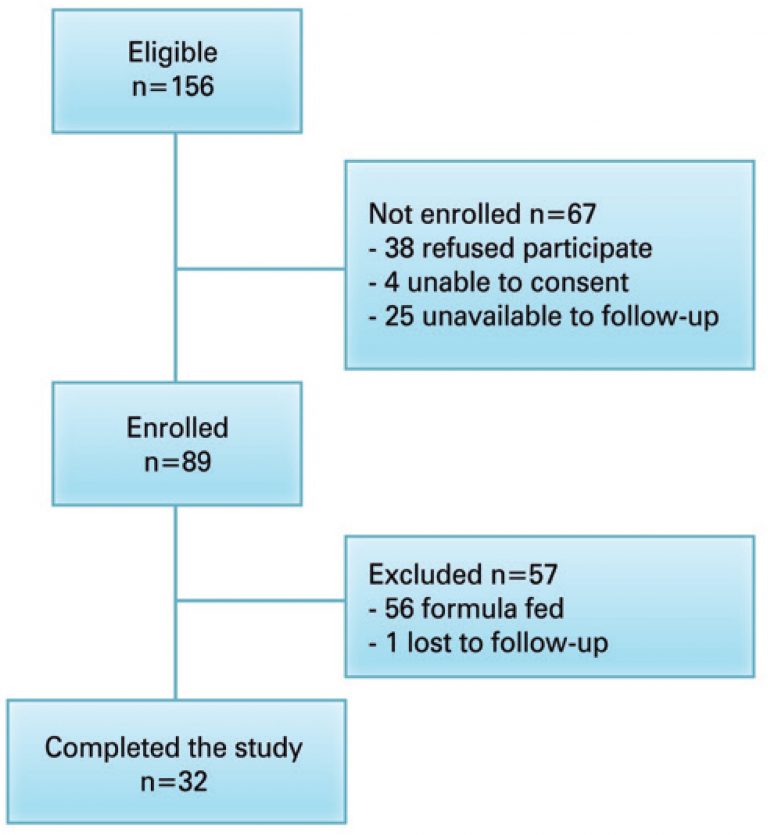
ABSTRACT Objective: To determine associations between sex and neurodevelopmental outcomes in human milk-fed very preterm infants, adjusted to early measured nutrient intakes and other neonatal cofactors. Methods: Consecutive inborn human milk-fed infants, with gestational age
Keywords: Human, milk; Infant, premature; ISRCTN ID: 27916681; Neurodevelopment disorders; Nutrients; Sex
30/May/2019
Laryngotracheal separation in pediatric patients: 13-year experience in a reference service
DOI: 10.31744/einstein_journal/2019AO4467
ABSTRACT Objective: To evaluate clinical stability of neurologically impaired children and adolescents with recurrent pneumonia submitted to laryngotracheal separation. Methods: Between October 2002 and June 2015, 92 neurologically impaired children from a reference service, with median age of 68.5 months were submitted to laryngotracheal separation. Data were evaluated and statistical analysis was made by Student’s t test and Pearson’s χ2 test (significance level adopted of 95%). Results: Fifty-three children were male (57.6%). Forty-six children required admission to intensive care, and […]
Keywords: aspiration; Child; Larynx/surgery; Nervous system diseases; Pneumonia; Trachea/surgery
30/May/2019
Ultrasonography and magnetic resonance imaging of elbow ligaments: a comparative study
DOI: 10.31744/einstein_journal/2019AO4579
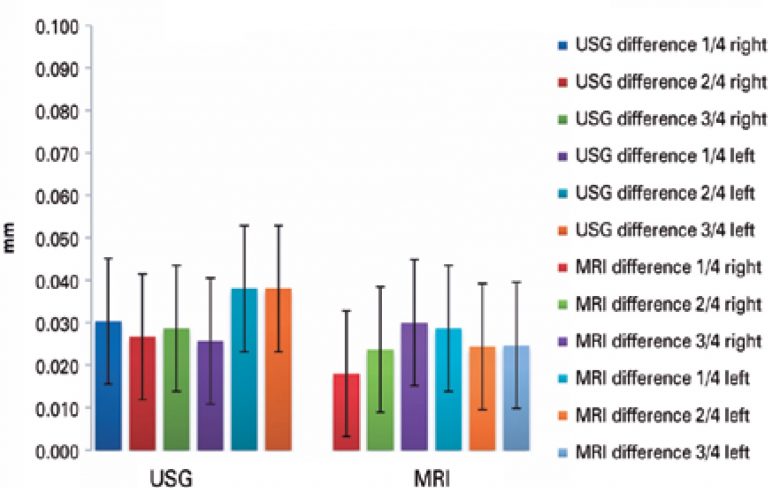
ABSTRACT Objective: To determine the value of ultrasonography in elbow ligament assessment compared to magnetic resonance imaging. Methods: A prospective single-center study involving 30 volunteers with no elbow joint changes. Two experienced ultrasound specialists evaluated both elbows of each volunteer, resulting in 60 evaluations per physician and totaling up 120 evaluations. Magnetic resonance images were obtained using a 3-Tesla machine and evaluated by two experienced radiologists, totaling up 120 exams. Each examiner assigned subjective, zero-to-5 scores to ligaments imaged, where […]
Keywords: Elbow; Ligaments/diagnostic imaging; Magnetic resonance imaging; Ultrasonography
30/May/2019
Pharmacological characterization of the calcium influx pathways involved in nitric oxide production by endothelial cells
DOI: 10.31744/einstein_journal/2019AO4600
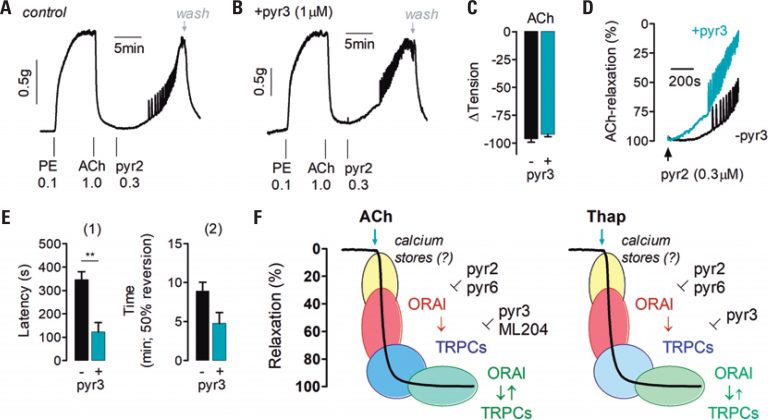
ABSTRACT Objective: To characterize the calcium influx pathways implicated in the sustained elevation of endothelial intracellular calcium concentration, required for the synthesis and release of relaxing factors. Methods: We evaluated the effect of the newly synthesized pyrazole derivatives, described as selective inhibitors for ORAI (BTP2/Pyr2 and Pyr6) and TRPC3 (Pyr3 and Pyr10) channels, upon endothelium- and extracellular calcium-dependent relaxations stimulated by acetylcholine and thapsigargin, in pre-constricted rat thoracic aortic rings. Results: Acetylcholine and thapsigargin responses were completely reverted by Pyr2 […]
Keywords: Aorta; Calcium/metabolism; Endothelial cells; Nitric oxide; ORAI1 protein; Rats; Relaxation; TRPC cation channels
22/May/2019
Lipid profile and statin use in critical care setting: implications for kidney outcome
DOI: 10.31744/einstein_journal/2019AO4399
ABSTRACT Objective: To determine whether pre-hospital statin use is associated with lower renal replacement therapy requirement and/or death during intensive care unit stay. Methods: Prospective cohort analysis. We analyzed 670 patients consecutively admitted to the intensive care unit of an academic tertiary-care hospital. Patients with ages ranging from 18 to 80 years admitted to the intensive care unit within the last 48 hours were included in the study. Results: Mean age was 66±16.1 years old, mean body mass index 26.6±4/9kg/m2 […]
Keywords: C-reactive protein; Hydroxymethylglutaryl-CoA reductase inhibitors; Intensive care units; Mortality; Renal replacement therapy
22/May/2019
Body composition, strength static and isokinetic, and bone health: comparative study between active adults and amateur soccer players
DOI: 10.31744/einstein_journal/2019AO4419
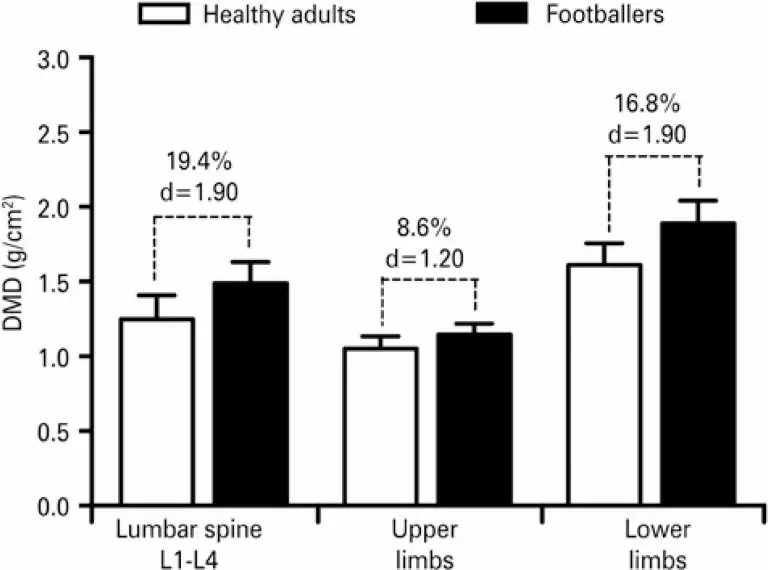
ABSTRACT Objective: To compare tissue composition, total and regional bone mineral content and bone mineral density, static hand grip and knee joint isokinetic strength between amateur soccer players and Control Group. Methods: Cross-sectional study. Air displacement plethysmography was used to estimate body volume and, in turn, density. Body composition, bone mineral content and bone mineral density were assessed for the whole body and at standardized regions using dual energy X-ray absorptiometry. Static grip strength was assessed with an adjustable dynamometer, […]
Keywords: Body composition; Isokinetic dynamometer; Muscle strength; Sports
22/May/2019
Drug interactions in maternal intensive care: prevalence, risk factors, and potential risk medications
DOI: 10.31744/einstein_journal/2019AO4521
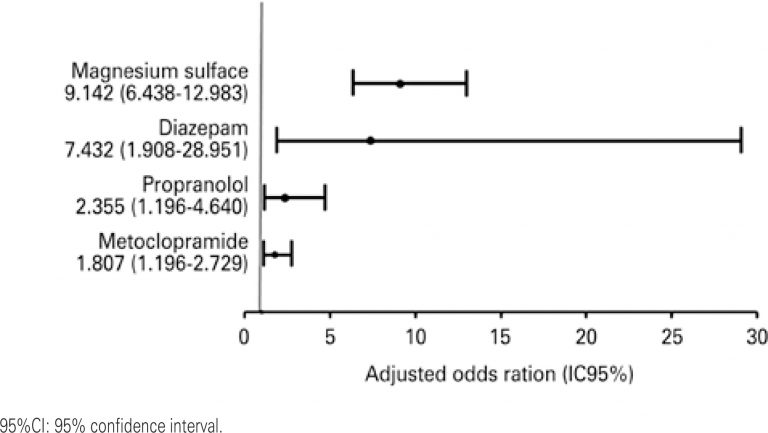
ABSTRACT Objective: To characterize severe potential drug interactions in maternal intensive care, and to determine their frequency, risk factors and potential risk medications. Methods: An observational and longitudinal study conducted between December 2014 and December 2015 in a maternal intensive care unit. Clinical data were collected and severe potential drug interactions were identified on pregnant inpatients. The drug interactions were classified by type, prevalence and exposure rate. A multivariate logistic regression model was used to identify the severe potential drug […]
Keywords: Drug interactions; Drug therapy; Intensive care units; Maternal health; Pregnancy
13/May/2019
Introduction of complementary foods in infants
DOI: 10.31744/einstein_journal/2019AO4412
ABSTRACT Objective: To analyze frequency, age and time trend of complementary feeding introduction in infants. Methods: Retrospective study of infants’ data evaluated at nutrition sector of Programa de Atenção aos Bebês of Programa Einstein na Comunidade de Paraisópolis from 2012 to 2015. Survival analyzes were performed, and the outcome considered was the time until the introduction of each specific food. Results: Participants were 700 infants, with 5.5 months of median age. Water was the most consumed supplement (80.0%), followed by […]
Keywords: Child health services; Infant; Infant nutrition; Supplementary feeding