7 results
02/Apr/2026
02/Apr/2026
DOI: 10.31744/einstein_journal/2026AO1666
Highlights ■ Transoral robotic surgery applied in patients with T1–T2 oropharyngeal and laryngeal tumors. ■ Mean hospital stay: 2.1 days. ■ Minimal postoperative complications. ■ 5-year survival: 77%, with comparable cost-effectiveness. ABSTRACT Objective: To assess the feasibility and benefits of transoral robotic surgery in the public healthcare system and to conduct a cost analysis of its implementation. Methods: This prospective, nonrandomized, observational cohort study was conducted over 24 months and included patients with T1-T2 oropharyngeal and supraglottic laryngeal tumors. Results: […]
Keywords: Costs and cost analysis; Head and neck neoplasms; Minimally invasive surgical procedures; Robotic surgical procedures; Robotics
11/Sep/2025
11/Sep/2025
DOI: 10.31744/einstein_journal/2025AO1768
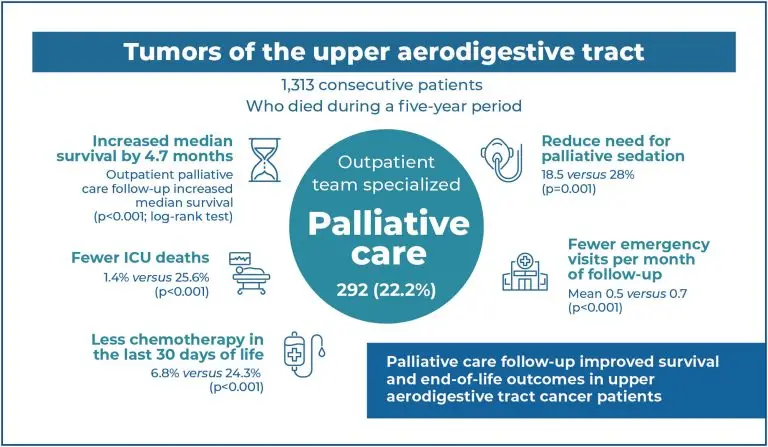
Highlights ■ Outpatient palliative care follow-up increased median survival by 4.7 months in patients with advanced head and neck cancer. ■ Patients receiving palliative care had fewer intensive care unit deaths, less chemotherapy in the final month of life, and a reduced need for palliative sedation. ■ Integrated palliative care resulted in fewer emergency visits per month of follow-up, suggesting more efficient symptom management. ABSTRACT Objective: To evaluate whether integrated palliative care is associated with improved overall survival and better […]
Keywords: Death; Head and neck neoplasms; Integrative palliative care; Supportive care; Survival; Terminal care
23/Nov/2023
DOI: 10.31744/einstein_journal/2023RC0618
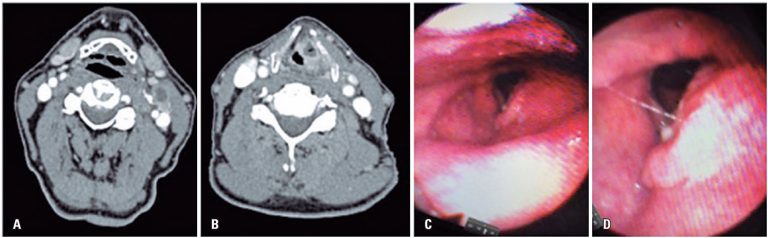
ABSTRACT Laryngeal cancer ranks third among the most common head and neck neoplasms. The most common histological subtype is squamous cell carcinoma, and neuroendocrine tumors are rare. An even rarer entity is a composite tumor with both these histologies. This case reports a metastatic combined carcinoma of squamous cells and large neuroendocrine cells, presenting favorable response to treatment with a total laryngectomy followed by adjuvant therapy including chemo-, radio-, and immunotherapy.
Keywords: Carcinoma, large cell; Carcinoma, neuroendocrine; Carcinoma, squamous cell; Head and neck neoplasms; Laryngeal neoplasms
30/Oct/2020
DOI: 10.31744/einstein_journal/2020RC5409
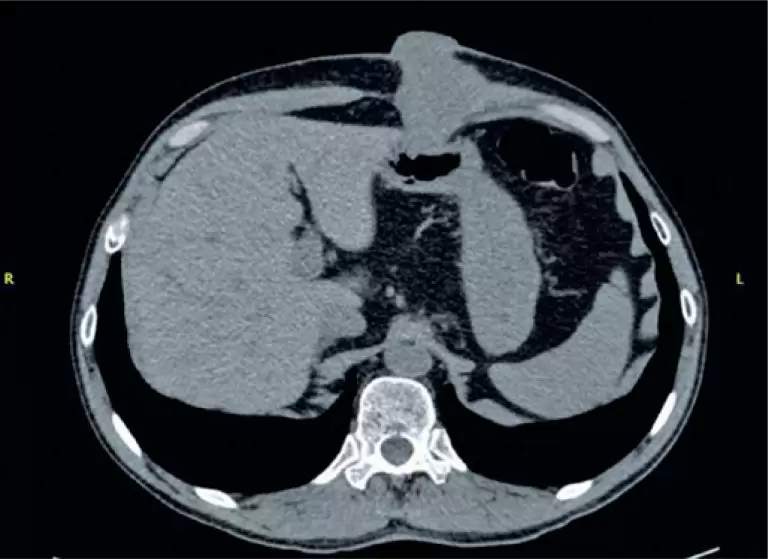
ABSTRACT Percutaneous endoscopic gastrostomy is used to provide enteral nutritional support for patients with obstructive oropharyngeal or esophageal neoplasms. The placement of the catheter is considered safe, with few complications. Despite this, a specific complication that is considered rare, has been increasingly described in the literature, i.e., metastasis of head and neck cancer in the gastrostomy stoma. In this report, we described a case of metastasis of squamous cell carcinoma of the larynx in the gastrostomy site, and discussed the […]
Keywords: Carcinoma, squamous cell; Enteral nutrition; Gastrostomy; Head and neck neoplasms; Neoplasm metastasis
08/Dec/2017
DOI: 10.1590/S1679-45082017AO3995
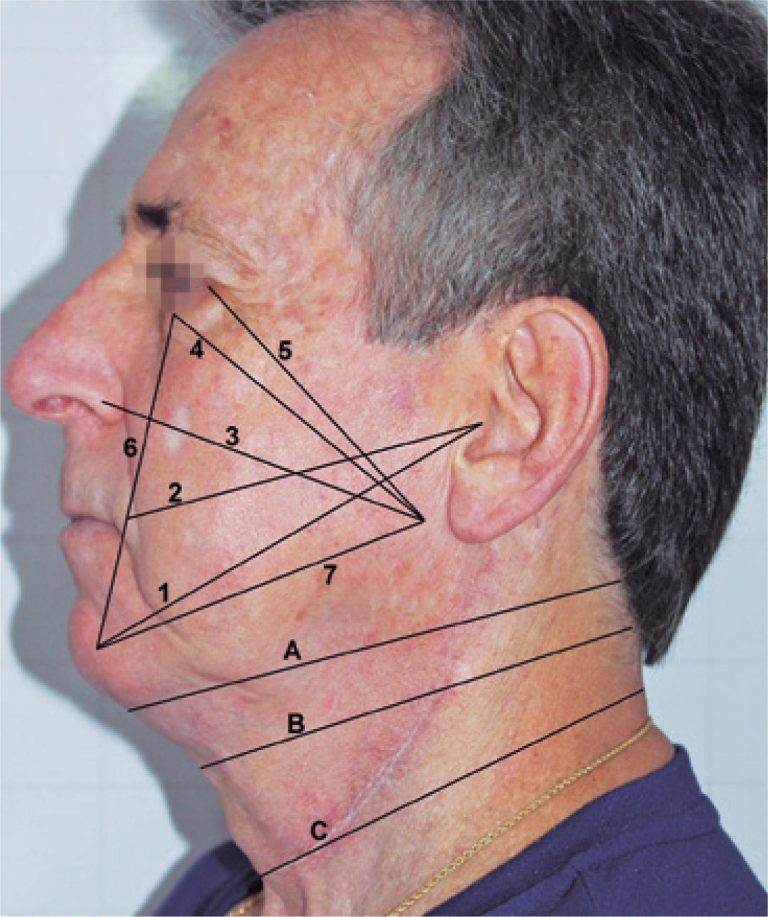
ABSTRACT Objective: Translate to brazilian portuguese, culturally adapt and test the rating and classification scales of cervicofacial lymphedema of the MD Anderson Cancer Center Head and Neck Lymphedema Protocol (MDACC HNL) in patients undergoing treatment for head and neck cancer. Methods: The process followed international guidelines and translation stages by two head and neck surgeons, and back translation independently by two native Americans. The test of final version was based on the evaluation of 18 patients by one speech pathologist […]
Keywords: Head and neck neoplasms; Lymph nodes; Lymphedema; Neck dissection; Radiotherapy; Validation Studies
09/Apr/2013
DOI: 10.1590/S1679-45082013000100020
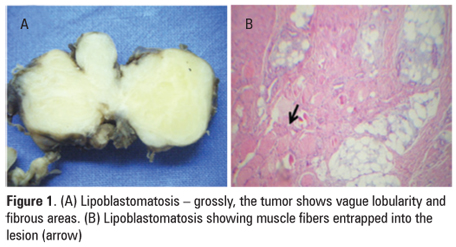
Lipoblastoma and lipoblastomatosis are rare benign soft-tissue tumoral lesions resembling fetal adipose tissue. A total of 16 cases of lipoblastoma of the neck were reported in the literature, and only 3 were described in the posterior side of the neck. Hibernoma is a rare benign adipose tumor composed of brown fat cells and only about ten cases occurring in the cervical area have been reported. We reported two rare cases of adipose tissue tumors. The first case was a male […]
Keywords: Biopsy; Biopsy, needle; Head and neck neoplasms; Lipoma
01/Oct/2011
01/Oct/2011
DOI: 10.1590/S1679-45082011AO2149
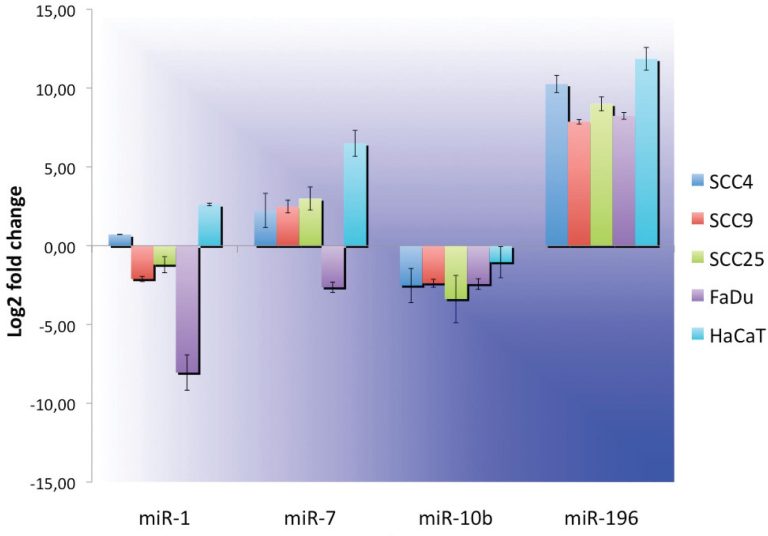
ABSTRACT Objective: Functional in vitro studies are fundamental to understand the role of microRNAs, small non coding RNA molecules that function as post-transcriptional regulators, in cancer. The objective of this study was to determine the applicability of head and neck squamous cell carcinoma cell lines and human oral keratinocytes as models for functional studies on microRNAs previously identified as deregulated in head and neck squamous cell carcinomas. Methods: The expression level of four microRNAs was assessed in cell lines and […]
Keywords: Carcinoma, squamous cell; Gene expression; Head and neck neoplasms; Keratinocytes