7 results
07/Apr/2025
DOI: 10.31744/einstein_journal/2025AO1372
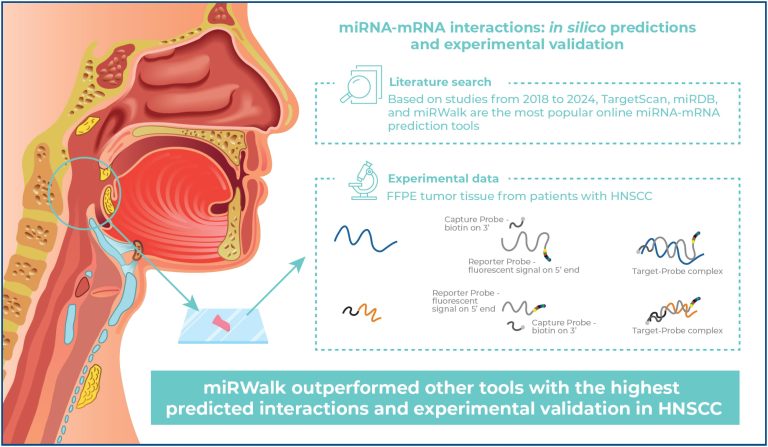
Highlights ■ miRWalk had the highest predicted interactions and validated miRNA networks in HNSCC. ■ Around 3.3% of interactions overlapped across tools, emphasizing the need for multitool approaches. ■ Dysregulated genes and miRNAs were tied to cancerdriving PI3K-Akt and Wnt pathways. ■ The validated approach highlights the importance of integrating computational and molecular data. ABSTRACT Objective: Head and neck squamous cell carcinoma (HNSCC) has a poor prognosis largely due to late diagnosis and a lack of reliable biomarkers. MicroRNAs (miRNAs), […]
Keywords: Algorithms; Biomarkers; Computational biology; Gene expression; MicroRNAs; Squamous cell carcinoma of head and neck; Target prediction tool
08/Jul/2021
DOI: 10.31744/einstein_journal/2021RB5996
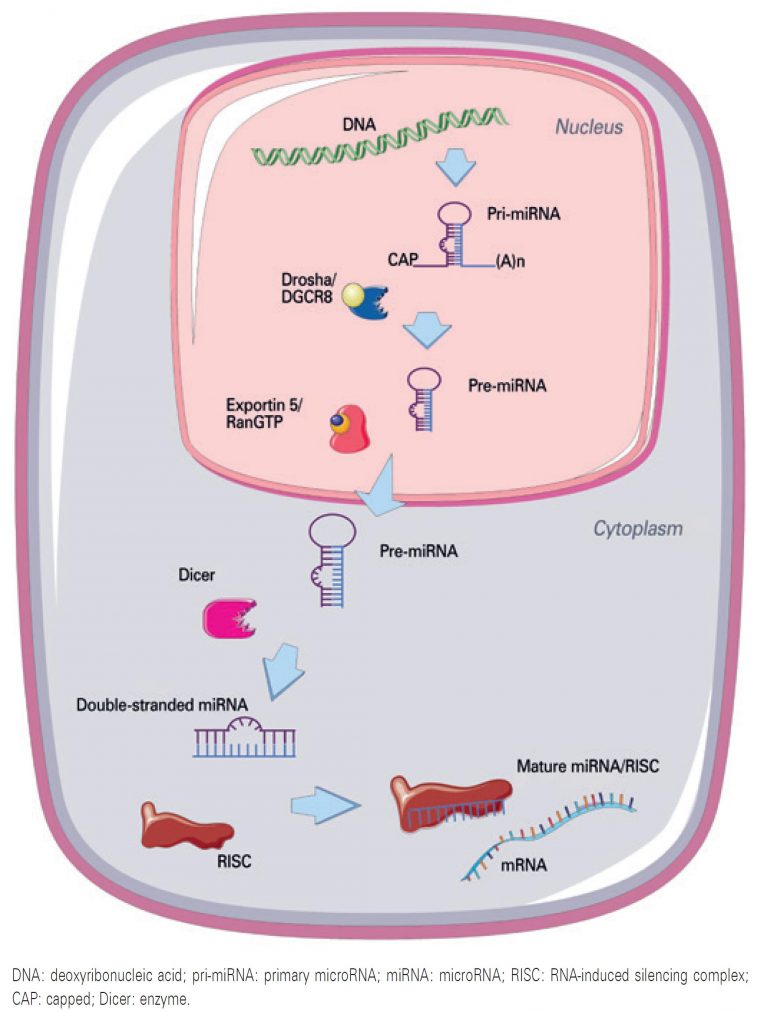
ABSTRACT MicroRNAs are small RNA molecules that regulate gene expression in cells. These small molecules comprise 17 to 25 nucleotides and are able to recognize target messenger RNAs by sequence complementarity and regulate their protein translation. Different microRNAs are expressed in all human cells. There is over 2,500 microRNAs described in humans that are involved in virtually all biological processes. Given their role as gene expression regulators, these molecules have been widely investigated and are thought to be associated with […]
Keywords: Biomarkers; Gene expression; MicroRNAs; Neoplasms
01/Oct/2017
DOI: 10.1590/S1679-45082017AO4012
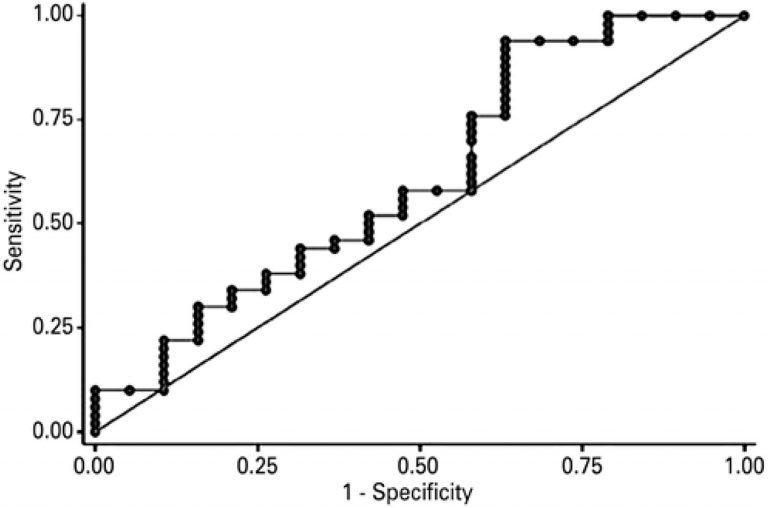
ABSTRACT Objective: To evaluate the gene expression of beta-trace protein in urine of diabetic patients, with no reduction in glomerular filtration rate, which was defined as below 60mL/min/1.73m2. Methods: Type 2 diabetes mellitus patients were recruited, and a group of non-diabetic individuals served as control. Beta-trace protein gene expression was analyzed by quantitative PCR. Blood samples were collected to establish glucose levels and baseline kidney function. Accuracy was analyzed using ROC curves. Results: Ninety type 2 diabetes mellitus patients and […]
Keywords: Beta-trace protein; Biomarkers/urine; Diabetes mellitus, type 2; Gene expression; Prostaglandins D/biosynthesis
01/Jul/2014
DOI: 10.1590/S1679-45082014AO3042
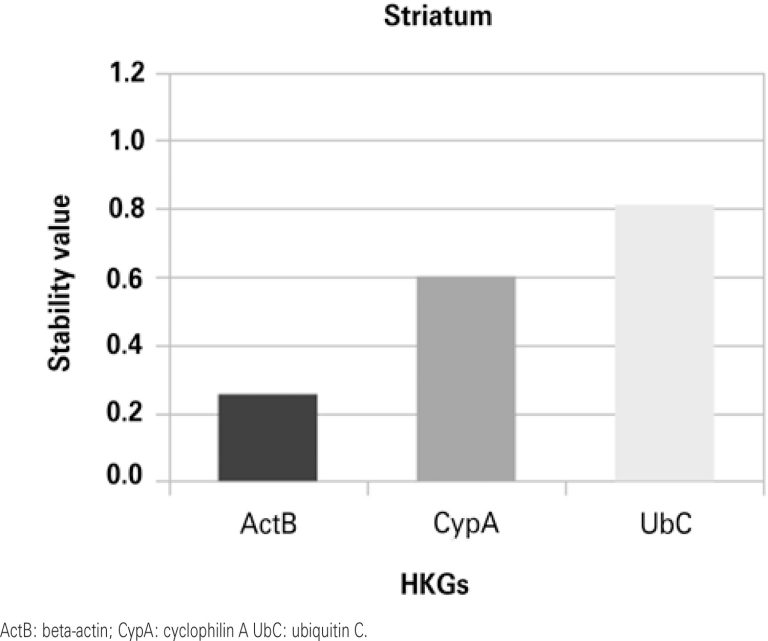
Objective A growing number of published articles report the expression of specific genes with different behavior patterns in rats. The levels of messenger ribonucleic acid transcripts are usually analyzed by reverse transcription followed by polymerase chain reaction and quantified after normalization with an internal control or reference gene (housekeeping gene). Nevertheless, housekeeping genes exhibit different expression in the central nervous system, depending on the physiological conditions and the area of the brain to be studied. The choice of a good […]
Keywords: Brain; Gene expression; Genes, essential; Rats, Wistar; Real-time polymerase chain reaction
29/Oct/2012
DOI: 10.1590/S1679-45082012000300005
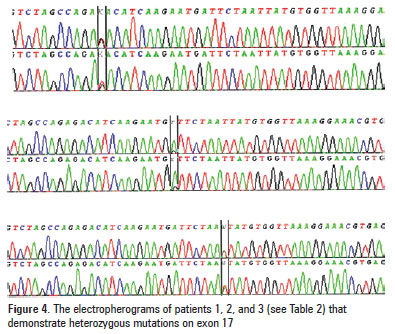
OBJECTIVE: This study describes a new method used in the clinical laboratory at Hospital Israelita Albert Einstein to detect mutations in exons 8 and 17 of the KIT gene in patients with acute myeloid leukemia. METHODS: Genomic DNA extraction was performed on 54 samples of peripheral blood or bone marrow from patients with acute myeloid leukemia. The extracted DNA was amplified by polymerase chain reaction and sequenced, and the fragments were analyzed. RESULTS: Within the analyzed samples, we detected four […]
Keywords: Core binding factors; Gene expression; Leukemia, myeloid, acute; Receptor protein-tyrosine kinase
01/Oct/2011
01/Oct/2011
DOI: 10.1590/S1679-45082011AO2149
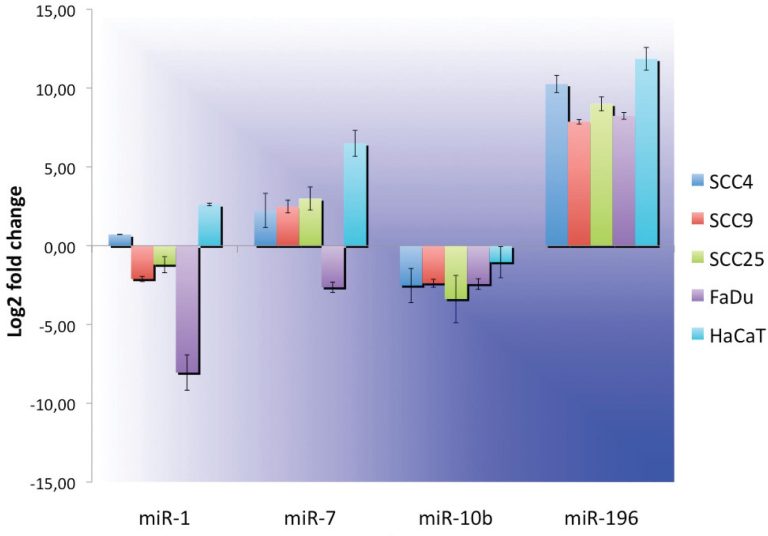
ABSTRACT Objective: Functional in vitro studies are fundamental to understand the role of microRNAs, small non coding RNA molecules that function as post-transcriptional regulators, in cancer. The objective of this study was to determine the applicability of head and neck squamous cell carcinoma cell lines and human oral keratinocytes as models for functional studies on microRNAs previously identified as deregulated in head and neck squamous cell carcinomas. Methods: The expression level of four microRNAs was assessed in cell lines and […]
Keywords: Carcinoma, squamous cell; Gene expression; Head and neck neoplasms; Keratinocytes
01/Jul/2010
DOI: 10.1590/S1679-45082010AO1674
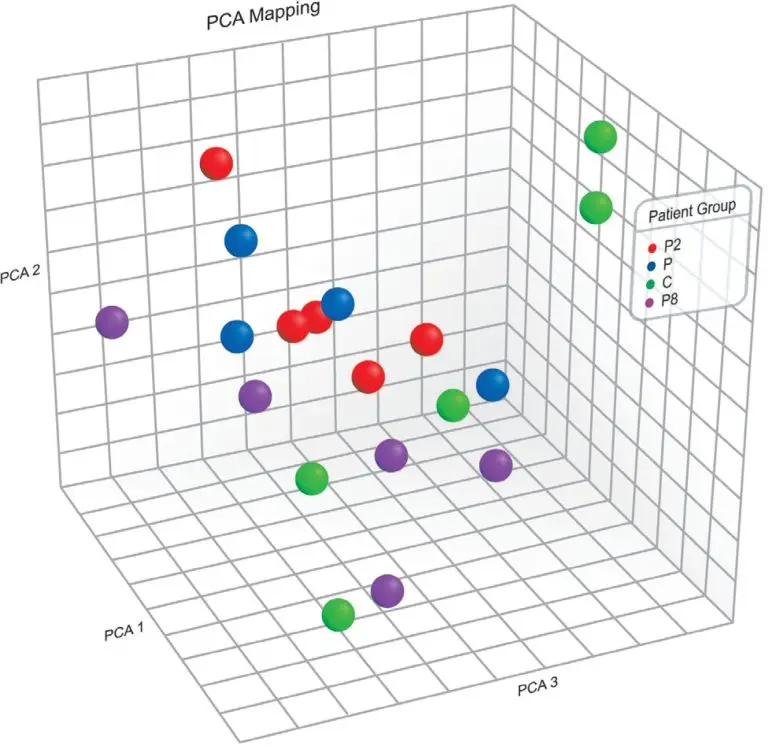
ABSTRACT Objective: To evaluate the performance of gene expression analysis in the peripheral blood of Parkinson disease patients with different genetic profiles using microarray as a tool to identify possible diseases related biomarkers which could contribute to the elucidation of the pathological process, as well as be useful in diagnosis. Methods: Global gene expression analysis by means of DNA microarrays was performed in peripheral blood of Parkinson disease patients with previously identified mutations in PARK2 or PARK8 genes, Parkinson disease […]
Keywords: Biological markers/blood; Gene expression; Mutation; Parkinson disease/blood; Parkinson disease/genetics