8 results
13/Aug/2025
DOI: 10.31744/einstein_journal/2025RC1150
ABSTRACT Myopericytomas are perivascular myoid neoplasms that rarely exhibit malignant characteristics. They usually arise in the dermis or subcutaneous tissue and exceptionally involve deep soft tissues, with spinal localization being rare. We report the case of a previously healthy 32-year-old pregnant woman who presented with pain in the interscapular region and progressive loss of lower limb strength. Magnetic resonance imaging revealed a solid neoplastic mass at the T3 level, with spinal canal invasion and spinal cord signal abnormalities. The pregnancy […]
Keywords: Metastasis neoplasms; Myopericytoma; Pregnancy; Radiotherapy; Spinal neoplasms; Vascular tissue neoplasm
09/Nov/2022
DOI: 10.31744/einstein_journal/2022AO0104
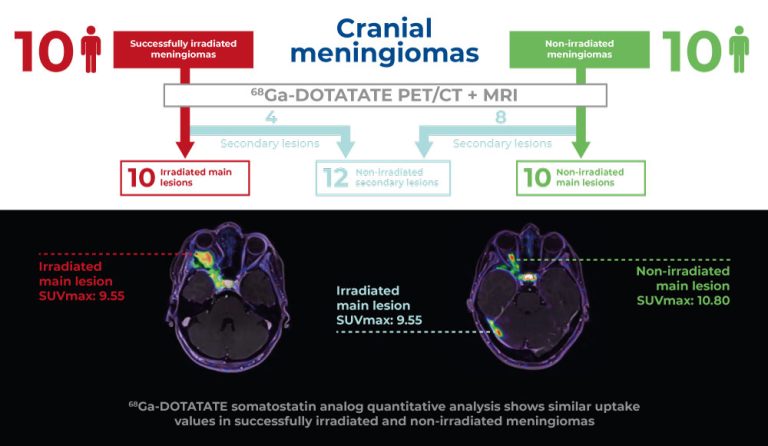
ABSTRACT Objective To evaluate whether there is a significant difference in somatostatin analog uptake in meningiomas treated or not with radiation therapy. Methods A cross-sectional study was performed comparing measurements of somatostatin analog (68Ga-DOTATATE) uptake in two independent groups of ten patients each – one consisting of patients with meningiomas previously treated with radiation therapy and another comprising patients who had never been submitted to radiation therapy. All patients underwent PET/CT and MRI scans in an interval shorter than 24 […]
Keywords: Meningioma; Positron-emission tomography; Radiotherapy; Receptors; somatostatin
24/Aug/2022
DOI: 10.31744/einstein_journal/2022RC0035
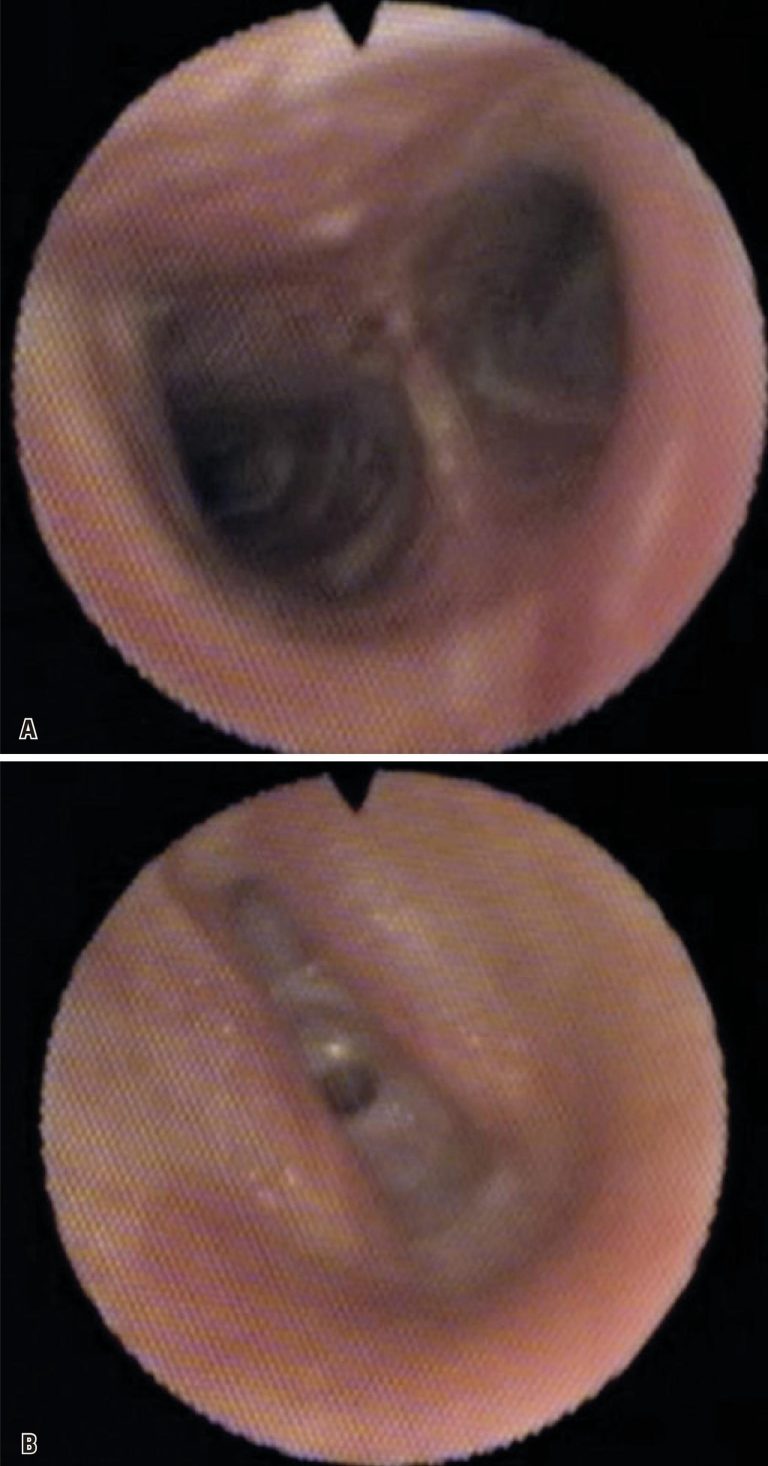
ABSTRACT Nasopharyngeal carcinoma is rare and affect mainly men between the fourth and sixth decades of life. The clinic is characterized to be nonspecific and the main complaints or findings related to this disease are: cervical mass, aural dysfunction, and headache. The basis of treatment is radiotherapy that involves a wide field of irradiation of normal tissues, which usually generates sequelae with direct implications for quality of life. We report a case of a nasopharyngeal carcinoma treated with radiotherapy and […]
Keywords: Laryngostenosis; Nasopharyngeal carcinoma; Radiotherapy
01/Aug/2018
DOI: 10.1590/S1679-45082018AO4245
ABSTRACT Objective To evaluate the oral health of patients with head and neck cancer after antineoplastic treatment, and to compare them with patients with no history of cancer. Methods A total of 75 patients, divided into Study Group, composed of individuals after antineoplastic treatment (n=30), and Control Group, with individuals with no history of cancer (n=45), aged 37 to 79 years. The oral health status was evaluated through the index of decayed, missing or filled permanent teeth (DMFT), community periodontal […]
Keywords: Dental caries; Head and neck neoplasms/drug therapy; Mouth rehabilitation; Periodontal diseases; Radiotherapy
08/Dec/2017
DOI: 10.1590/S1679-45082017AO3995
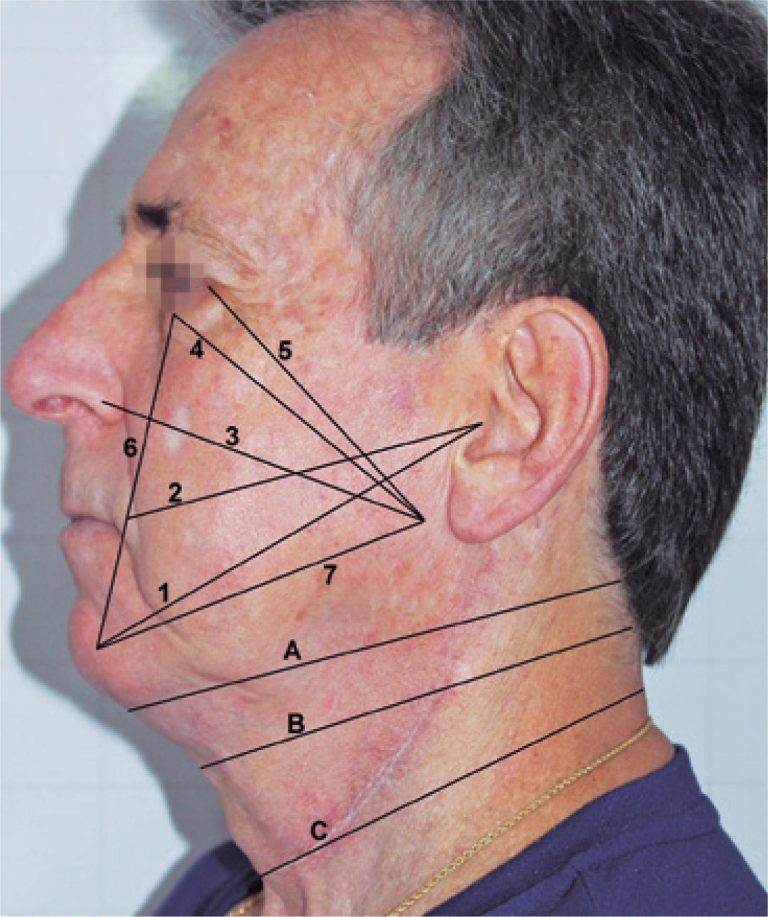
ABSTRACT Objective: Translate to brazilian portuguese, culturally adapt and test the rating and classification scales of cervicofacial lymphedema of the MD Anderson Cancer Center Head and Neck Lymphedema Protocol (MDACC HNL) in patients undergoing treatment for head and neck cancer. Methods: The process followed international guidelines and translation stages by two head and neck surgeons, and back translation independently by two native Americans. The test of final version was based on the evaluation of 18 patients by one speech pathologist […]
Keywords: Head and neck neoplasms; Lymph nodes; Lymphedema; Neck dissection; Radiotherapy; Validation Studies
31/Jan/2014
DOI: 10.1590/S1679-45082013000400006
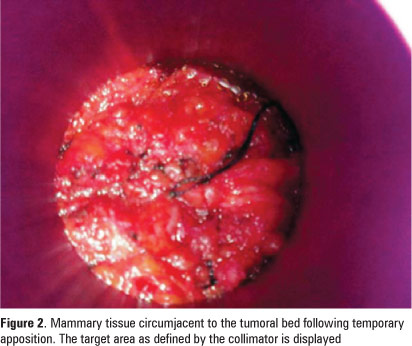
OBJECTIVE: To report on preliminary outcomes of single-dose intraoperative radiotherapy for early-stage breast cancer based on local recurrence rates and complications. METHODS: Fifty postmenopausal women with
Keywords: Antineoplastic protocols; Breast neoplasms; Radiotherapy
22/Jan/2013
DOI: 10.1590/S1679-45082012000400021
Treating elderly cancer patients is a challenge for oncologists, especially considering the several therapeutic modalities in glioblastoma. Extensive tumor resection offers the best chance of local control. Adequate radiotherapy should always be given to elderly patients if they have undergone gross total resection and have maintained a good performance status. Rather than being ruled out, chemotherapy should be considered, and temozolomide is the chosen drug. A comprehensive geriatric assessment is a valuable tool to help guiding treatment decisions in elderly […]
Keywords: Aged; Antineoplasic agents, alkylating; Geriatric assessment; Glioblastoma; Radiotherapy
01/Apr/2011
DOI: 10.1590/S1679-45082011AO1987
ABSTRACT Objective: To analyze the outcome of patients treated with gemtuzumab ozogamycin combined with conventional therapy treated at Hospital Israelita Albert Einstein. Methods: 14 patients who had high risk features (secondary leukemia, unfavorable cytogenetics, and refractory disease) were treated with gemtuzumab ozogamycin combined with conventional therapy and their outcome was analysed by reviewing their medical records. Results: Overall response rate was 58%, with 43% achieving complete response, with a median follow-up of 11 months, event-free survival was 3 months. Eleven […]
Keywords: Aged; Antineoplastic agents/therapeutic use; Antineoplastic combined chemotherapy protocols/therapeutic use; Leukemia, myeloid, acute/drug therapy; Radiotherapy