Clinical characteristics and outcomes of patients with COVID-19 admitted to the intensive care unit during the first and second waves of the pandemic in Brazil: a single-center retrospective cohort study
05/Jul/2023
Clinical characteristics and outcomes of patients with COVID-19 admitted to the intensive care unit during the first and second waves of the pandemic in Brazil: a single-center retrospective cohort study
einstein (São Paulo). 05/Jul/2023;21:eAO0233.
View Article05/Jul/2023
Clinical characteristics and outcomes of patients with COVID-19 admitted to the intensive care unit during the first and second waves of the pandemic in Brazil: a single-center retrospective cohort study
DOI: 10.31744/einstein_journal/2023AO0233
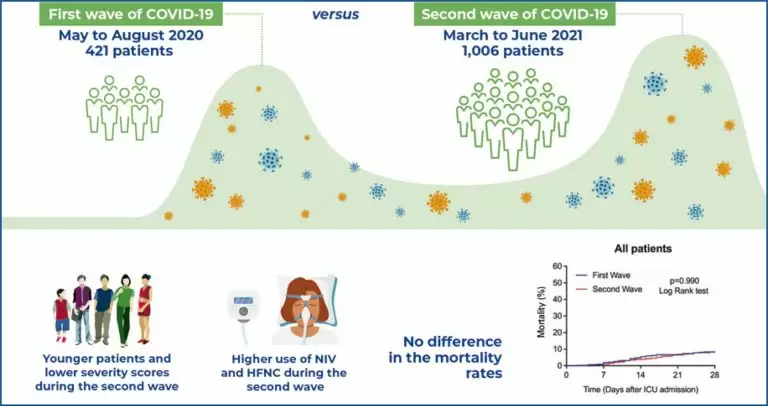
Highlights We compared characteristics between patients admitted during the first and second waves. There were 1,427 intensive care unit patients with COVID-19: 421 (first wave) and 1,006 (second wave). The patients in the second wave were younger and less severely ill at the time of intensive care unit admission. Patients exhibited similar mortality rates and need for invasive organ support. ABSTRACT Objective To describe and compare the clinical characteristics and outcomes of patients admitted to intensive care units during the […]
Keywords: Coronavirus infections; COVID-19; Critical care outcomes; Extracorporeal membrane oxygenation; Intensive care units; Mortality; Noninvasive ventilation; Respiration artificial; SARS-CoV-2
23/Jun/2023
RT-qPCR-based pool testing for the diagnosis of COVID-19
DOI: 10.31744/einstein_journal/2023AE0115
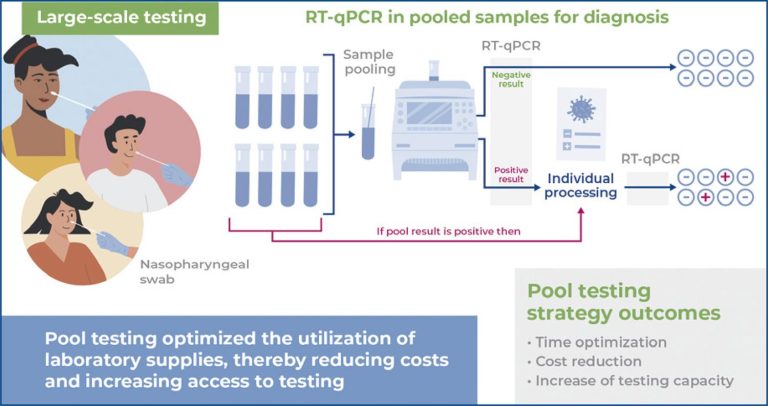
Highlights Pool testing is simultaneously performed on multiple samples to efficiently and cost-effectively detect COVID-19. Pool testing can optimize resource utilization and expand diagnostic access, and is a viable alternative for developing countries with limited access to testing. To optimize resources, the pool size was determined by estimating COVID-19 prevalence in the study population. ABSTRACT This study proposes a strategy for large-scale testing among a large number of people for the early diagnosis of COVID-19 to elucidate the epidemiological situation. […]
Keywords: Coronavirus infections; COVID-19; Pandemics; Reverse transcriptase polymerase chain reaction; SARS-CoV-2
06/Jun/2023
Changes in the clinico-functional characteristics of stroke patients in the acute phase during the COVID-19 pandemic
einstein (São Paulo). 06/Jun/2023;21:eAO0226.
View Article06/Jun/2023
Changes in the clinico-functional characteristics of stroke patients in the acute phase during the COVID-19 pandemic
DOI: 10.31744/einstein_journal/2023AO0226
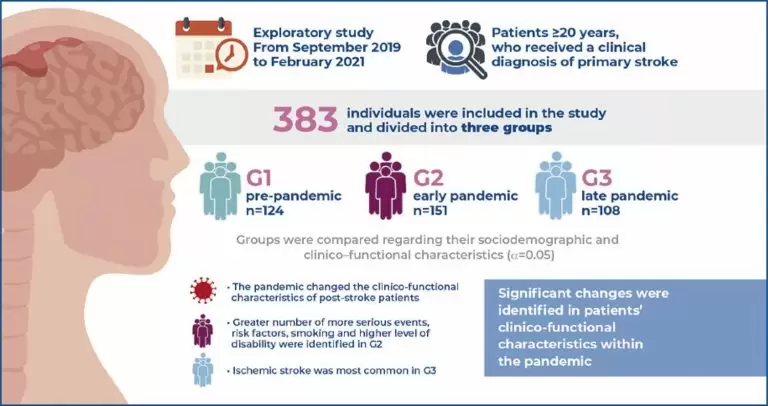
Highlights ■ The clinico-functional characteristics of post-stroke patients changed in the pandemic. ■ The sociodemographic characteristics of post-stroke patients did not change in the pandemic. ■ Post-stroke patients had a greater stroke severity and disability at the beginning of the pandemic. ■ The occurrence of ischemic stroke increased with the advancement of the pandemic. ABSTRACT Objective To compare the sociodemographic and clinico-functional characteristics of patients admitted to a stroke unit immediately before and during two different COVID-19 pandemic phases. Methods […]
Keywords: Coronavirus infections; COVID-19; Health Services; Pandemics; Public health; SARS-CoV-2; Stroke
06/Jun/2023
Effects of statin therapy in hospitalized adult COVID-19 patients: a systematic review and meta-analysis of randomized controlled trials
einstein (São Paulo). 06/Jun/2023;21:eRW0351.
View Article06/Jun/2023
Effects of statin therapy in hospitalized adult COVID-19 patients: a systematic review and meta-analysis of randomized controlled trials
DOI: 10.31744/einstein_journal/2023RW0351
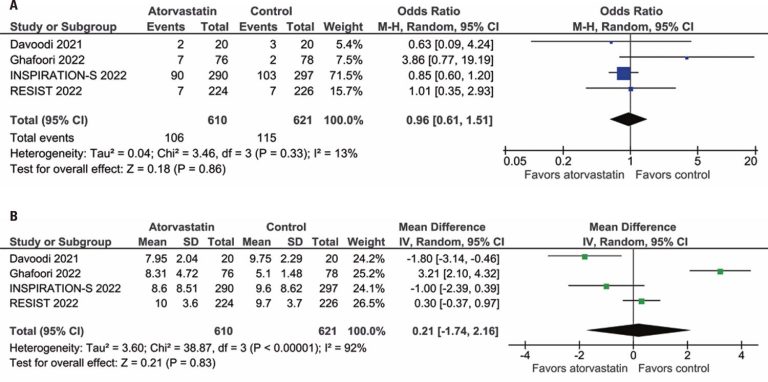
ABSTRACT Introduction COVID-19 is associated with endothelial activation and systemic inflammation; consequently, statins can be used in its treatment as they have anti-inflammatory, antithrombotic, and profibrinolytic properties and may interfere with COVID-19 viral entry into cells through disruption of cell membrane lipid rafts. Objective We performed a meta-analysis of randomized clinical trials that compared statin therapy to placebo or to standard care in adult patients hospitalized for COVID-19. Methods We searched the MEDLINE, EMBASE, and Cochrane Library databases for all-cause […]
Keywords: Atorvastatin; Coronavirus infections; COVID-19; Hydroxymethylglutaryl-CoA reductase inhibitors; SARS-CoV-2
19/Apr/2023
Personal protective equipment simulation training is associated with lower COVID-19 infection among healthcare workers
einstein (São Paulo). 19/Apr/2023;21:eAO0300.
View Article19/Apr/2023
Personal protective equipment simulation training is associated with lower COVID-19 infection among healthcare workers
DOI: 10.31744/einstein_journal/2023AO0300
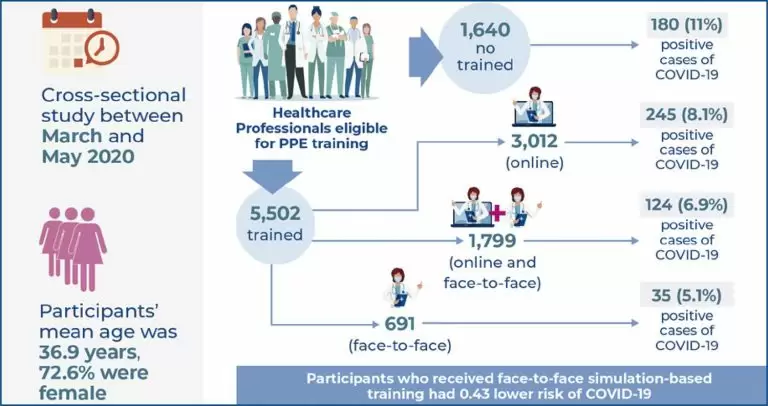
Highlights All kinds of personal protective equipment training decreased the odds of COVID-19 infection among healthcare professionals.۪ We found lower odds of infection in participants who underwent face-to-face simulation-based training.۪ Simulation-based personal protective equipment training is feasible, effective, and safe, even during the COVID-19 pandemic. ABSTRACT Objective To describe the personal protective equipment training strategies during the beginning of the pandemic and to investigate the association between training and COVID-19 infection among healthcare workers. Methods This cross-sectional study conducted between […]
Keywords: Coronavirus infections; COVID-19; Education, distance; Health personnel; Inservice training; Pandemics; Personal protective equipment; Simulation training
07/Mar/2023
Immunogenicity profile after COVID-19 vaccination in patients with onco-hematological diseases
DOI: 10.31744/einstein_journal/2023AO0089
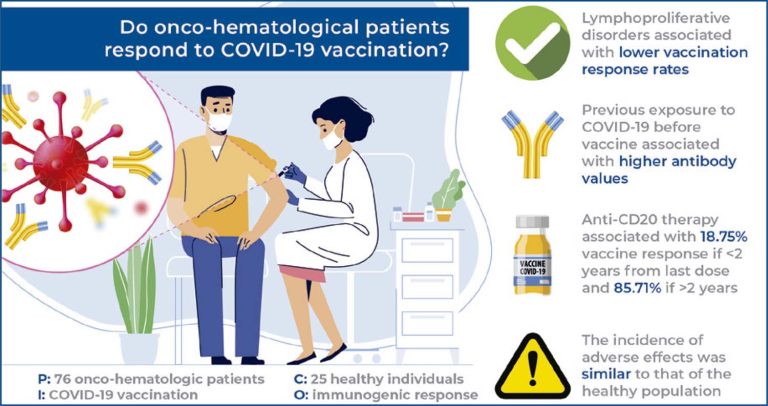
Highlights Lymphoproliferative disorders were associated with lower vaccine response rates than other disorders. Previous exposure to COVID-19 before vaccination was associated with higher antibody values. The duration of anti-B-lymphocyte therapy related to vaccination had an effect on response rates. The incidence of adverse effects of patients with onco-hematological diseases was similar to that of the healthy population. ABSTRACT Objective To evaluate the influence of onco-hematological pathologies on seroconversion to COVID-19 vaccines, in addition to the effects of chemotherapy treatment […]
Keywords: Coronavirus infections; COVID-19; Immunogenicity; Lymphoproliferative disorders; Multiple myeloma; Myelodysplastic-myeloproliferative diseases; SARS-CoV-2; Seroconversion; Vaccines
07/Mar/2023
Cancer patients with COVID-19: does prior nutritional risk associated with cancer indicate a poor prognosis for COVID-19?
einstein (São Paulo). 07/Mar/2023;31:eAO0172.
View Article07/Mar/2023
Cancer patients with COVID-19: does prior nutritional risk associated with cancer indicate a poor prognosis for COVID-19?
DOI: 10.31744/einstein_journal/2023AO0172
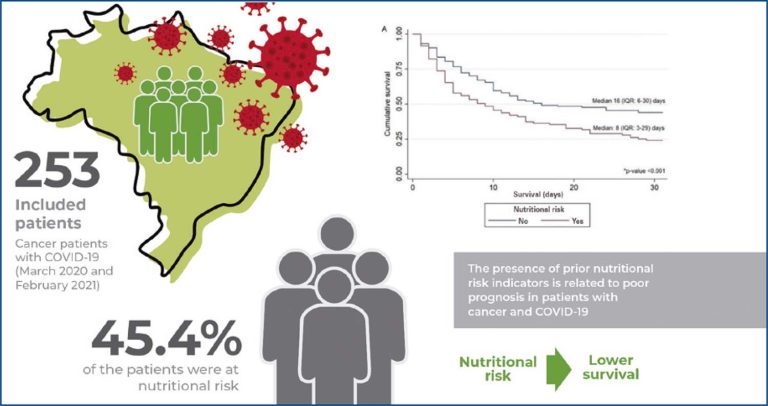
Highlights Patients at nutritional risk had a lower survival than those not at nutritional risk. Nutritional risk had good discriminatory accuracy to predict death. Nutritional screening should be included as an essential part of care for these patients. ABSTRACT Objective To verify whether the presence of related nutritional risk indicators prior to COVID-19 diagnosis is associated with poor survival in patients with cancer. Methods We retrospectively analyzed the data of hospitalized cancer patients who tested positive for COVID-19 between […]
Keywords: Coronavirus; Coronavirus infections; COVID-19; Malnutrition; Neoplasms; Nutritional status; Prognosis
21/Nov/2022
Incidence of adhesive capsulitis of the shoulder during the beginning of the COVID-19 pandemic
DOI: 10.31744/einstein_journal/2022AE0163
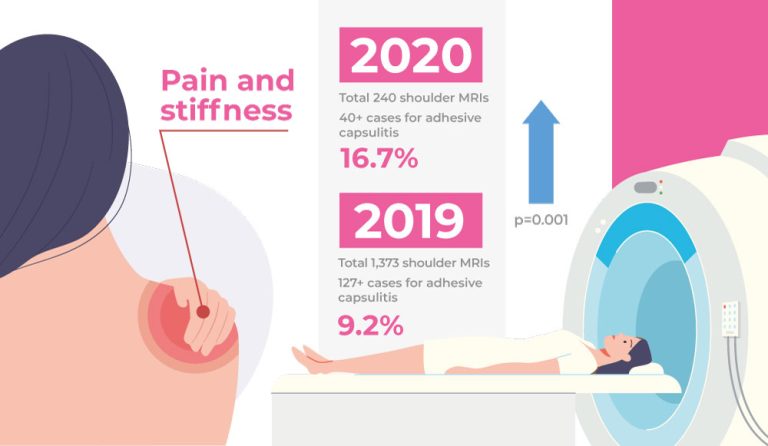
ABSTRACT Objective Adhesive capsulitis is an inflammatory disease of the joint capsule, clinically manifested as pain, stiffness, and dysfunction of the shoulder. We subjectively observed an increased incidence of adhesive capsulitis, and raised the hypothesis that adhesive capsulitis was more frequent in magnetic resonance imaging examinations performed during the COVID-19 pandemic as compared with examinations prior to this period. Methods Data from medical records and magnetic resonance imaging of the shoulder presenting typical imaging findings of adhesive capsulitis, performed in […]
Keywords: Betacoronavirus; Bursitis; Coronavirus infections; COVID-19; Magnetic resonance imaging; SARS-CoV-2; Shoulder
21/Nov/2022
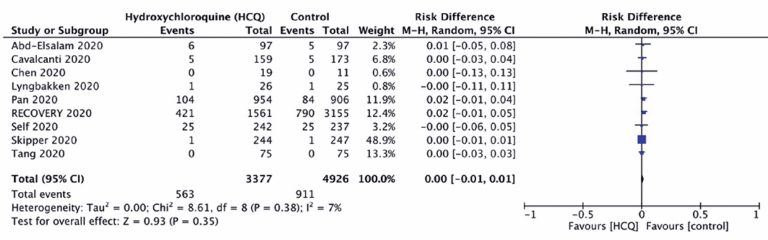
Hydroxychloroquine for treatment of COVID-19 patients: a systematic review and meta-analysis of randomized controlled trials
DOI: 10.31744/einstein_journal/2022RW0045
ABSTRACT Objective We performed a systematic review of the literature and meta-analysis on the efficacy and safety of hydroxychloroquine to treat COVID-19 patients. Methods We searched the Cochrane Central Register of Controlled Trials (CENTRAL), MEDLINE, EMBASE, and LILACS (January 2019 to March 2021) for patients aged 18 years or older, who had COVID-19 and were treated with hydroxychloroquine versus placebo or standard of care. We also searched the WHO Clinical Trials Registry for ongoing and recently completed studies, and the […]
Keywords: Coronavirus infections; COVID-19; Disease prevention; Drug-related side effects and adverse reactions; Hydroxychloroquine; SARS-CoV-2; Therapeutics
09/Nov/2022
Post-vaccination incidence and side effects of COVID-19 in a cohort of Brazilian healthcare professionals: an internet-based survey
einstein (São Paulo). 09/Nov/2022;20:eAO0067.
View Article09/Nov/2022
Post-vaccination incidence and side effects of COVID-19 in a cohort of Brazilian healthcare professionals: an internet-based survey
DOI: 10.31744/einstein_journal/2022AO0067
ABSTRACT Objective So far, at least 18 different severe acute respiratory syndrome coronavirus-2 vaccines have been approved. Until October 2022, 12.8 billion doses had been administered all over the world. Vaccination of high-risk groups and healthcare professionals was initially prioritized. This cross-sectional survey aimed to investigate the occurrence of vaccine side effects, as well as the incidence of COVID-19 among vaccinated healthcare professionals. Methods A survey was structured and shared with healthcare professionals using a digital platform to collect data […]
Keywords: CoronaVac; Coronavirus infections; COVID-19; Drug-related side effects and adverse reactions; Health personnel; Vaccines