11 results
30/Jul/2025
DOI: 10.31744/einstein_journal/2025AO1598
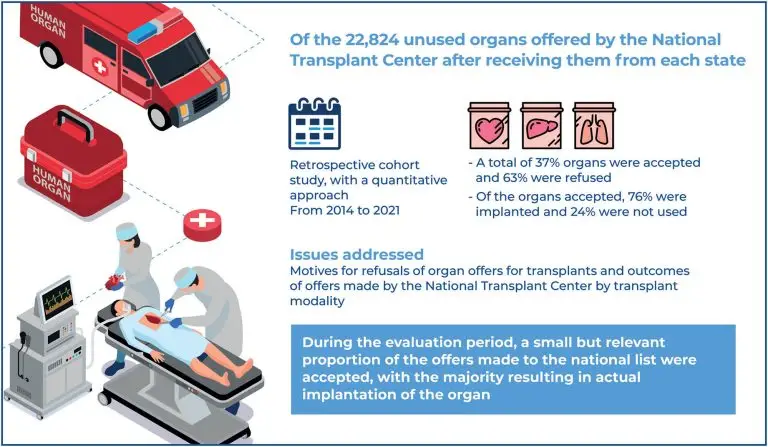
Highlights ■ Logistical factors were not responsible for most organ rejections in the single national waiting list. ■ Refusal information was operator dependent, as the reason for refusal was generic in most cases. ■ It is possible to increase the use of organs offered to the National Transplant Center by converting more offers into transplants performed through a more detailed study of the reasons for refusal. ABSTRACT Objective: To investigate the outcomes and reasons for the refusal of organs offered […]
Keywords: Organ preservation; Organ transplantation; Refusal to participate; Tissue and organ procurement; Transplantation; Waiting lists
15/Dec/2021
DOI: 10.31744/einstein_journal/2021AO5710
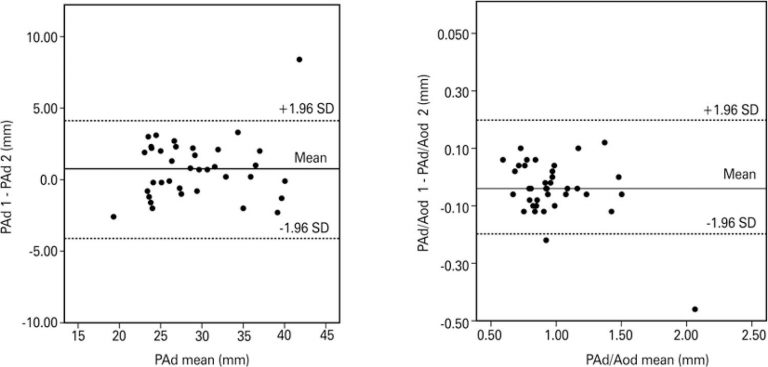
ABSTRACT Objective To examine the accuracy of a pulmonary hypertension screening strategy based on a combination of echocardiographic data and tomographic measurements (pulmonary artery diameter and pulmonary artery diameter to ascending aorta diameter ratio) in patients with chronic lung disease referred for lung transplantation. Methods A retrospective observational study with patients with pulmonary emphysema or fibrosis referred for transplantation between 2012 and 2016. Pulmonary hypertension was defined as mean pulmonary artery pressure ≥25mmHg, or between 21 and 24mmHg, with pulmonary […]
Keywords: Cardiac catheterization; Echocardiography; Hypertension, pulmonary; Thorax/diagnostic imaging; Tomography, x-ray computed; Transplantation
04/Jul/2018
DOI: 10.1590/S1679-45082018AO4253
ABSTRACT Objective To analyze the prevalence of overweight and the use of conicity index for cardiovascular risk assessment in individuals submitted to autologous hematopoietic stem cell transplantation. Methods The sample comprised 91 patients of both sexes, who underwent autologous hematopoietic stem cell transplantation from September 2008 to December 2013, aged 18 years or over. To determine the nutritional profile, we collected anthropometric data on weight, height, waist circumference upon hospital admission. The body mass index and the conicity index were […]
Keywords: abdominal; autologous; Body mass index; Cardiovascular diseases; Hematopoietic stem cell transplantation; Obesity; Transplantation; Waist circumference
08/Dec/2017
DOI: 10.1590/S1679-45082017AO4066
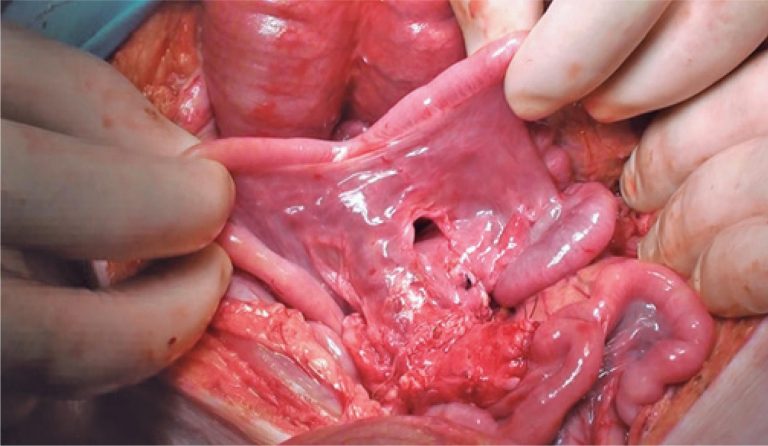
ABSTRACT Objective: To evaluate the technique of uterine transplantation and the use of drugs used in the process of immunosuppression. Methods: We included 12 sows, and immunosuppression was performed with minimal doses of cyclosporine, and cross-match was done to exclude the possibility of blood incompatibility. Hysterectomy was performed in the donor under general anesthesia, with the removal of the aorta and inferior vena cava in monobloc, and anastomosis of these vessels was made in the recipient. Results: Six experiments were […]
Keywords: Cyclosporine; Immunosuppressive agents; Infertility; Models, animal; Pregnancy; Swine; Transplantation; Uterus/transplantation
04/Apr/2017
DOI: 10.1590/S1679-45082017MD3903
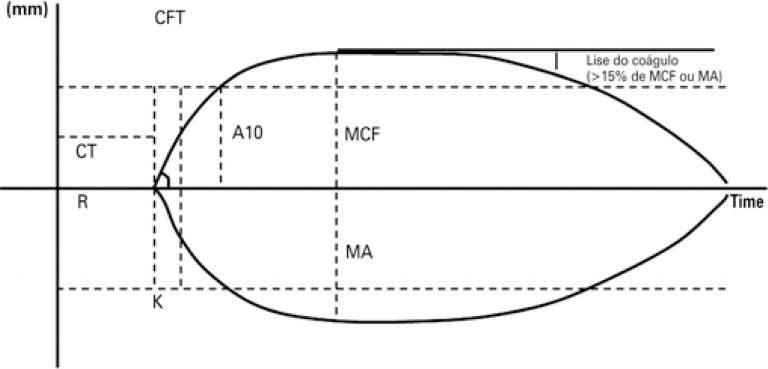
ABSTRACT Perioperative monitoring of coagulation is vital to assess bleeding risks, diagnose deficiencies associated with hemorrhage, and guide hemostatic therapy in major surgical procedures, such as liver transplantation. Routine static tests demand long turnaround time and do not assess platelet function; they are determined on plasma at a standard temperature of 37°C; hence these tests are ill-suited for intraoperative use. In contrast, methods which evaluate the viscoelastic properties of whole blood, such as thromboelastogram and rotational thromboelastometry, provide rapid qualitative […]
Keywords: Blood coagulation; Blood transfusion; Hemorrhage; Liver transplantation; Thrombelastography; Transplantation
01/Apr/2017
DOI: 10.1590/S1679-45082017AO3992
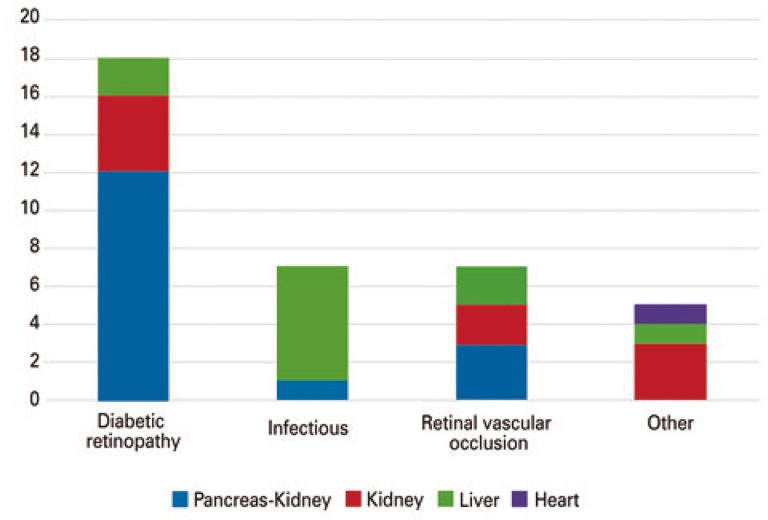
ABSTRACT Objective To evaluate retinal changes in patients who underwent solid organ or bone marrow transplantation. Methods A retrospective analysis of medical records of patients evaluated from February 2009 to December 2016. All patients included underwent funduscopy. Clinical and demographic data regarding transplantation and ophthalmological changes were collected. Results A total of 126 patients were analyzed; of these, 108 underwent transplantation and 18 were in the waiting list. Transplantation modalities were heart, lung, kidney, liver, pancreas, combined pancreas and kidney […]
Keywords: Bone marrow transplantation; Central serous chorioretinopathy; Diabetic retinopathy; Immunosuppression; Transplantation
24/Oct/2016
DOI: 10.1590/S1679-45082016RW3585
ABSTRACT Primary graft dysfunction is a multifactorial syndrome with great impact on liver transplantation outcomes. This review article was based on studies published between January 1980 and June 2015 and retrieved from PubMed database using the following search terms: “primary graft dysfunction”, “early allograft dysfunction”, “primary non-function” and “liver transplantation”. Graft dysfunction describes different grades of graft ischemia-reperfusion injury and can manifest as early allograft dysfunction or primary graft non-function, its most severe form. Donor-, surgery- and recipient-related factors have […]
Keywords: Donor selection; Liver transplantation; Primary graft dysfunction/diagnosis; Risk Factors; Tissue and organ procurement; Transplantation
01/Jan/2015
DOI: 10.1590/S1679-45082015RW3155
Intestinal transplantation has shown exceptional growth over the past 10 years. At the end of the 1990’s, intestinal transplantation moved out of the experimental realm to become a routine practice in treating patients with severe complications related to total parenteral nutrition and intestinal failure. In the last years, several centers reported an increasing improvement in survival outcomes (about 80%), during the first 12 months after surgery, but long-term survival is still a challenge. Several advances led to clinical application of […]
Keywords: Intestine; small/transplantation; Tissue donors; Transplantation; Transplantation chimera; Transplantation immunology
31/Jan/2014
31/Jan/2014
DOI: 10.1590/S1679-45082013000400017
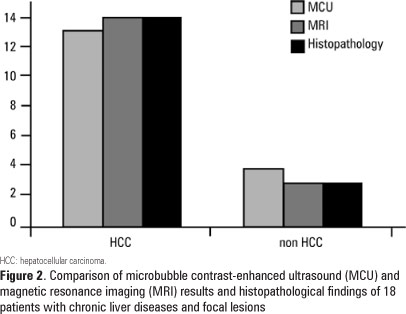
OBJECTIVES: To evaluate the efficacy of microbubble contrast ultrasound in diagnosis of hepatocellular carcinoma and to compare its results with those of magnetic resonance and histopathology. METHODS: A total of 29 patients suffering from chronic liver diseases and awaiting liver transplants at Hospital Israelita Albert Einstein were subject to magnetic resonance, microbubble contrast ultrasound, and excision liver biopsies. RESULTS: Excellent agreement between magnetic resonance and microbubble contrast ultrasound was observed in this study. There was moderate agreement between both imaging […]
Keywords: Carcinoma, hepatocellular; Magnetic resonance imaging; Microbubbles; Transplantation
29/Oct/2012
DOI: 10.1590/S1679-45082012000300008
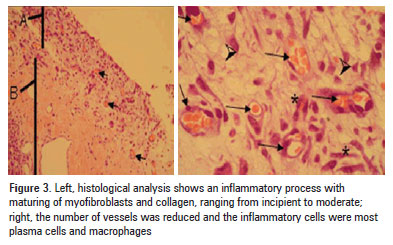
OBJECTIVE: To study the feasibility of heterologous aponeurosis to close the abdominal wall of rabbits emphasizing the rejection process. METHODS: This project was approved by the Animals Care Committee of the Faculdade de Ciências Médicas da Santa Casa de São Paulo, and it was carried out at the Experimental Surgery and Technical Unit. Four red female rabbits exchanged abdominal wall aponeurosis with other four white male animals. Two rabbits just had it removed and replaced to be the control group […]
Keywords: Abdominal wall; Antigens, CD20; Graft rejection; Rabbits; Transplantation