30 results
18/May/2022
DOI: 10.31744/einstein_journal/2022AO6459
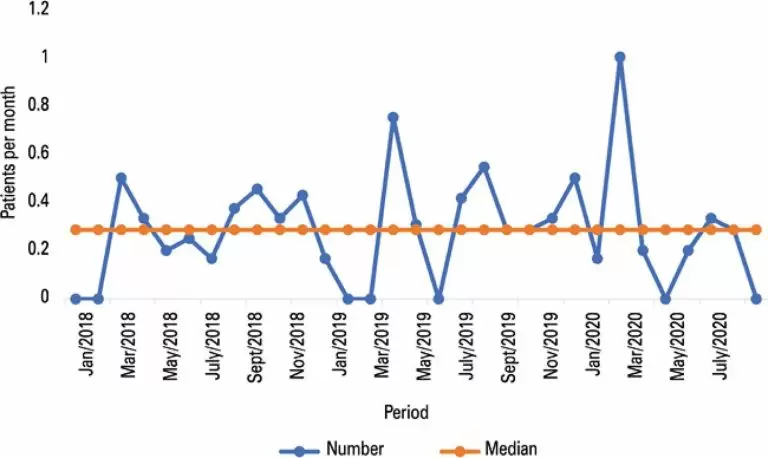
ABSTRACT Objective To evaluate the impact of COVID-19 pandemic on the care delivered to hospitalized cancer patients in end-of-life. Methods A retrospective analysis of data of hospitalized patients with advanced solid tumors, who died under exclusive palliative care during first wave (March 2020 to July 2020) compared with the period previous pandemic (January 2018 to February 2020). Results A total of 190 oncologic patients were included, 161 patients before the pandemic, and 29 in the period from March 2020 to […]
Keywords: Betacoronavirus; Coronavirus infections; COVID-19; Neoplasms; Palliative care; Quality of Health Care; SARS-CoV-2
26/Oct/2021
26/Oct/2021
DOI: 10.31744/einstein_journal/2021AO6254
ABSTRACT Objective To evaluate the severity of COVID-19 in cancer patients to describe clinical and epidemiological factors associated with poor outcomes (mortality and need of intensive care unit admission or mechanical ventilation). Methods Retrospective data from patients with cancer and laboratory diagnosis of COVID-19, obtained between March 16 and May 29, 2020, were retrieved out of a cancer center database. Data analyzed included patient history, age, sex, comorbidities, types of cancer and anticancer therapy. Results This sample comprised 105 patients […]
Keywords: Coronavirus infections; COVID-19; Fatal outcome; Mortality; Neoplasms; Pandemics; SARS-CoV-2
08/Jul/2021
DOI: 10.31744/einstein_journal/2021RB5996
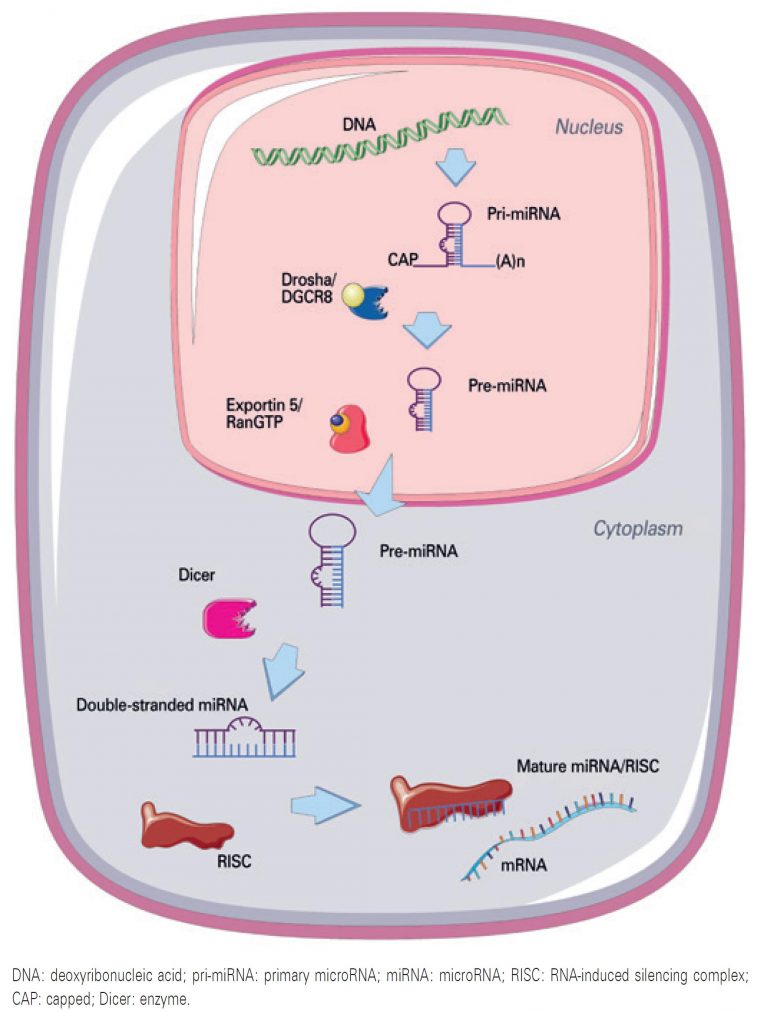
ABSTRACT MicroRNAs are small RNA molecules that regulate gene expression in cells. These small molecules comprise 17 to 25 nucleotides and are able to recognize target messenger RNAs by sequence complementarity and regulate their protein translation. Different microRNAs are expressed in all human cells. There is over 2,500 microRNAs described in humans that are involved in virtually all biological processes. Given their role as gene expression regulators, these molecules have been widely investigated and are thought to be associated with […]
Keywords: Biomarkers; Gene expression; MicroRNAs; Neoplasms
17/Dec/2020
17/Dec/2020
DOI: 10.31744/einstein_journal/2021AO6282
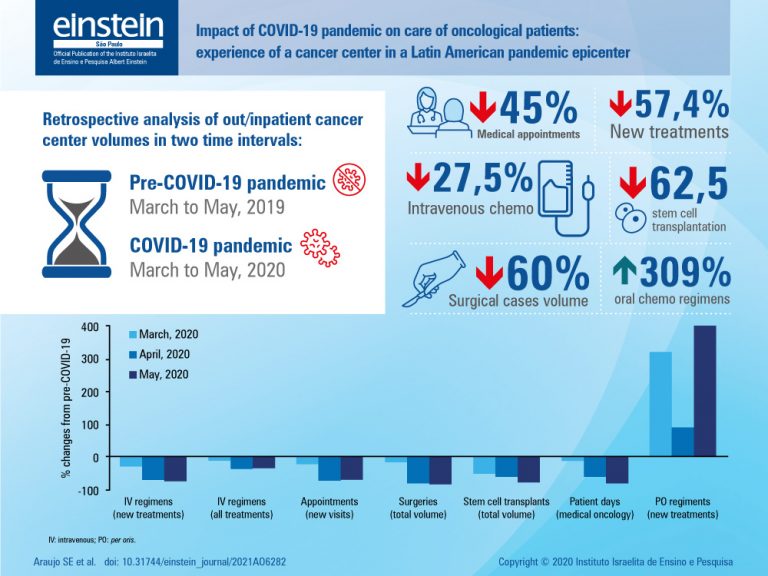
ABSTRACT Objective Since the rising of coronavirus disease 2019 (COVID-19) pandemic, there is uncertainty regarding the impact of transmission to cancer patients. Evidence on increased severity for patients undergoing antineoplastic treatment is posed against deferring oncologic treatment. We aimed to evaluate the impact of COVID-19 pandemic on patient volumes in a cancer center in an epicenter of the pandemic. Methods Outpatient and inpatient volumes were extracted from electronic health record database. Two intervals were compared: pre-COVID-19 (March to May 2019) […]
Keywords: Coronavirus infections; Latin America; Neoplasms; Oncological, care
21/Nov/2018
DOI: 10.31744/einstein_journal/2018AO4368
ABSTRACT Objective To estimate the dietary intake of cancer patients and its relation with clinical and demographic characteristics, and to assess the contribution of dietary intake, appetite/symptoms and clinical and demographic characteristics to their quality of life. Methods The consumption of energy and macronutrients of patients was estimated. The relation between dietary intake and clinical and demographic characteristics was evaluated by analysis of variance. The intake of energy and macronutrient of the patients was compared to the nutritional recommendations using […]
Keywords: Dietetics; Eating; Neoplasms; Quality of life
15/Jun/2018
DOI: 10.1590/S1679-45082018AO4155
ABSTRACT Objective To evaluate the perception of elderly population about cancer, correlating it with the clinical variables sex, age and past history of cancer. Methods The sample was composed of 300 individuals, 174 (58%) women. A questionnaire containing ten questions and based on the Health Information National Trends Survey was used. For statistical analysis, a p value
Keywords: Aged; Information; Neoplasms; Perception; Surveys and questionnaires
19/Apr/2018
19/Apr/2018
DOI: 10.1590/S1679-45082018AO4132
ABSTRACT Objective To evaluate the psychometric properties of the seven theoretical models proposed in the literature for European Organization for Research and Treatment of Cancer Quality of Life Questionnaire Core 30 (EORTC QLQ-C30), when applied to a sample of Brazilian cancer patients. Methods Content and construct validity (factorial, convergent, discriminant) were estimated. Confirmatory factor analysis was performed. Convergent validity was analyzed using the average variance extracted. Discriminant validity was analyzed using correlational analysis. Internal consistency and composite reliability were used […]
Keywords: Neoplasms; Psychometrics; Quality of life; Validation Studies
01/Apr/2017
DOI: 10.1590/S1679-45082017AO3645
ABSTRACT Objective To assess the test-retest reliability of the Memorial Symptom Assessment Scale translated and culturally adapted into Brazilian Portuguese. Methods The scale was applied in an interview format for 190 patients with various cancers type hospitalized in clinical and surgical sectors of the Instituto Nacional de Câncer José de Alencar Gomes da Silva and reapplied in 58 patients. Data from the test-retest were double typed into a Microsoft Excel spreadsheet and analyzed by the weighted Kappa. Results The reliability […]
Keywords: Neoplasms; Reproducibility of Results; Scales; Symptom assessment; Validation Studies
01/Oct/2016
DOI: 10.1590/S1679-45082016MD3740
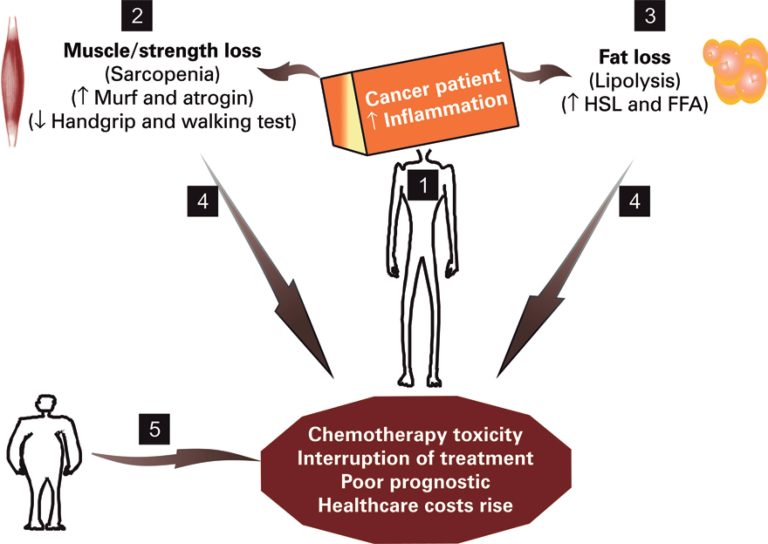
ABSTRACT This narrative review focuses on the role of sarcopenia and chemotherapy-induced toxicity in cancer patients. Consistent evidence shows that sarcopenia in cancer patients leads to decreased overall survival by influencing treatment discontinuation and dose reduction. Therefore, sarcopenia should be considered a robust prognostic factor of negative outcome as well as a determinant of increased healthcare costs.
Keywords: Inflammation; Muscles/pathology; Neoplasms; Sarcopenia/drug therapy
01/Jul/2016
DOI: 10.1590/S1679-45082016AO3754
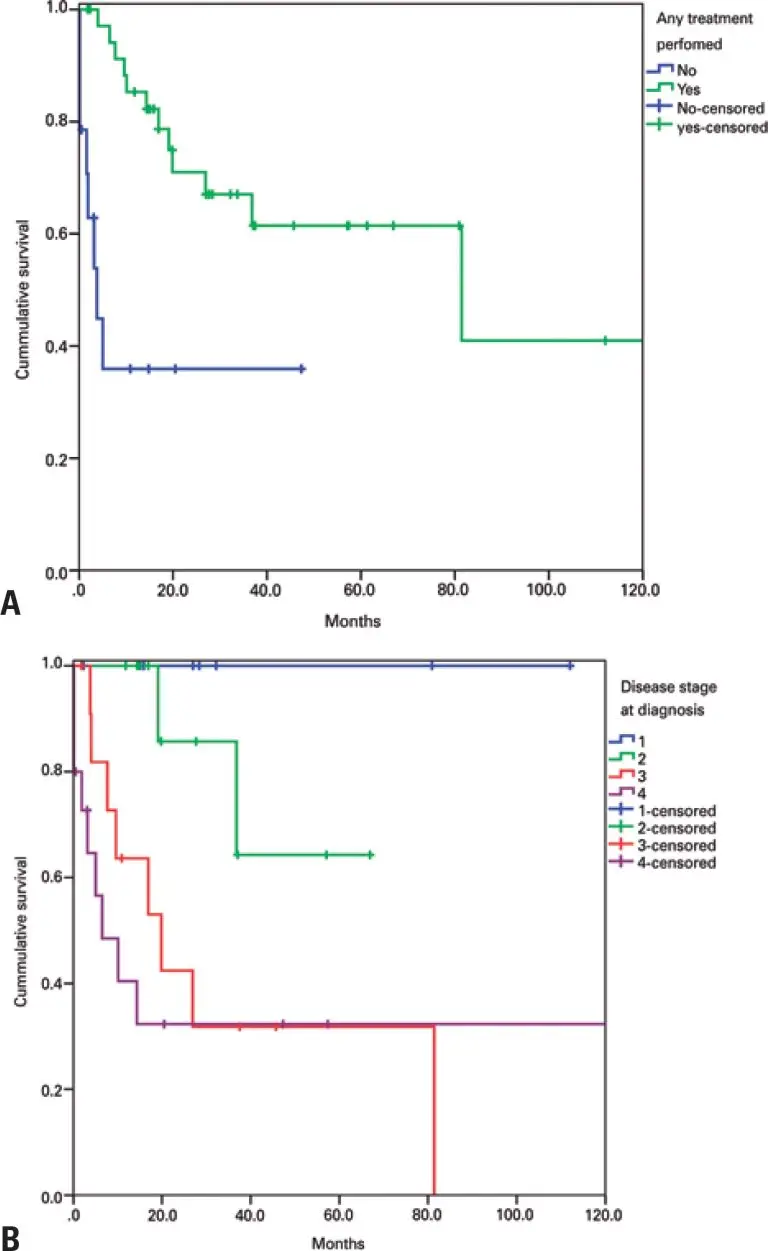
ABSTRACT Objective: To assess aspects related to cancer in indigenous population. Methods: This is a retrospective study developed in a public university hospital. We included patients with 18 or more years of age, diagnosed with solid tumors, and followed between 2005 and 2015. Clinical features were assessed by descriptive statistics, and survival was evaluated by Kaplan-Meier curves and multivariate Cox regression. Results: Fifty patients were included. The cancer incidence was 15.73 per 100,000. The mean age at diagnosis was 54 […]
Keywords: Brazil; Epidemiology; Ethnicity and health; Health Services Accessibility; Neoplasms; Public health