14/Aug/2026
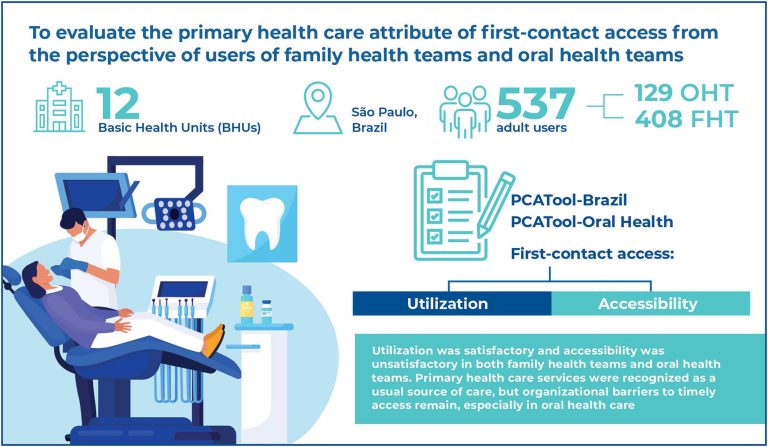
First-contact access from the perspective of users of primary health care: an evaluation in family and oral health teams
einstein (São Paulo). 14/Aug/2026;24(spe3):eAO2528.
View Article14/Aug/2026
First-contact access from the perspective of users of primary health care: an evaluation in family and oral health teams
DOI: 10.31744/einstein_journal/2026AO2528
Highlights ■ Utilization scores were higher than accessibility scores in both family health teams and oral health teams. ■ The performance of accessibility was predominantly low in both service modalities. ■ Among oral health teams users, few differences were observed across participant characteristics. ■ Utilization was higher among older, vulnerable, and chronically ill family health teams users. ABSTRACT Objective: In this study, we aimed to evaluate the primary health care attribute of first-contact access from the perspective of users of […]
Keywords: Health Services Accessibility; Health services research; Oral health; Primary Health Care; Quality of Health Care
11/Jul/2025
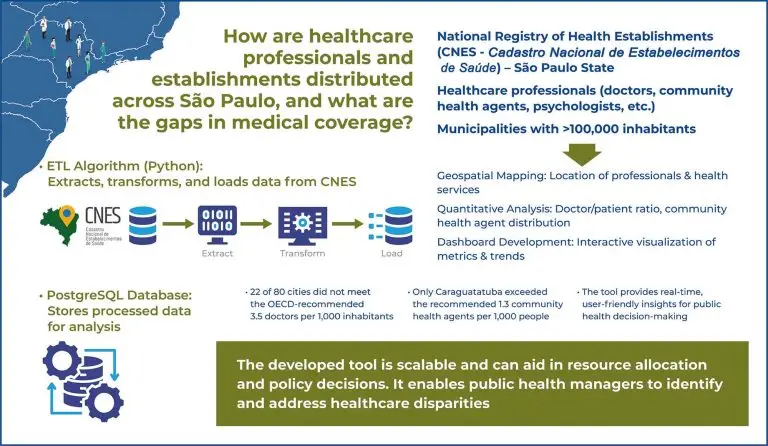
Analysis of the distribution of health services in the State of São Paulo: focus on Big Data
DOI: 10.31744/einstein_journal/2025AO1070
Highlights ■ The extract, transform, and load algorithm automates data extraction and updates in the PostgreSQL database. ■ The interactive dashboard enables detailed queries on establishments and professionals. ■ Results highlight medical doctor deficit in 22 cities and a shortage of community agents. ■ The tool can scale and assist managers in resource allocation for healthcare. ABSTRACT Objective: To develop a process (pipeline) for extracting, processing, and analyzing data from the National Registry of Health Establishments in the State of […]
Keywords: Apache Spark; Big data; CNES; Dashboard systems; Database; Geographic locations; Health facilities; Health personnel; Health Services Accessibility; PostgreSQL; Power BI; Public health
02/Jul/2024
Overview of global healthcare policies for patients with chronic kidney disease: an integrative literature review
DOI: 10.31744/einstein_journal/2024RW0519
ABSTRACT Introduction Chronic kidney disease is a progressive and irreversible loss of kidney function and considerably affects the lives of patients and their families. Its high incidence necessitates efficient public policies for prevention and treatment. However, policies for chronic kidney disease education and awareness are scarce. Objective To evaluate global public policies for the prevention and treatment of chronic kidney disease adopted in various regions, aiming to comprehend the differences between various models. Methods This integrative review followed PRISMA recommendations […]
Keywords: Health Services Accessibility; Kidney failure, chronic; Public health; Public Policy; Renal insufficiency, chronic; Universal health care
22/Jun/2022
What are the implications of problem-solving capacity at Primary Health Care in older adult health?
einstein (São Paulo). 22/Jun/2022;20:eGS6791.
View Article22/Jun/2022
What are the implications of problem-solving capacity at Primary Health Care in older adult health?
DOI: 10.31744/einstein_journal/2022GS6791
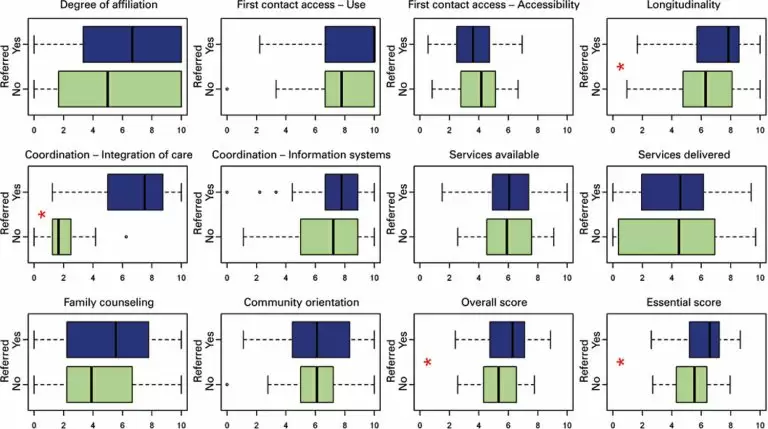
ABSTRACT Objective To evaluate Primary Health Care attributes and analyze the association between the fulfilment of these attributes and problem-solving capacity of services for elderly patients. Methods A cross-sectional, observational, quantitative study. The Primary Care Assessment Tool, designed to assess Primary Health Care attributes, was employed to evaluate elderly users of Primary Care Units located in the south region of the city of São Paulo (SP). Results Many attributes assessed at the reference services were considered as unsatisfactory by users. […]
Keywords: Aging; Family practice; Health care quality, access, and evaluation; Health of the elderly; Health Services Accessibility; Health services for the aged; Patient satisfaction; Primary Health Care; Quality of Health Care
01/Jul/2021
Impacts of decentralization in health systems in the state of São Paulo, Brazil
DOI: 10.31744/einstein_journal/2021GS5914
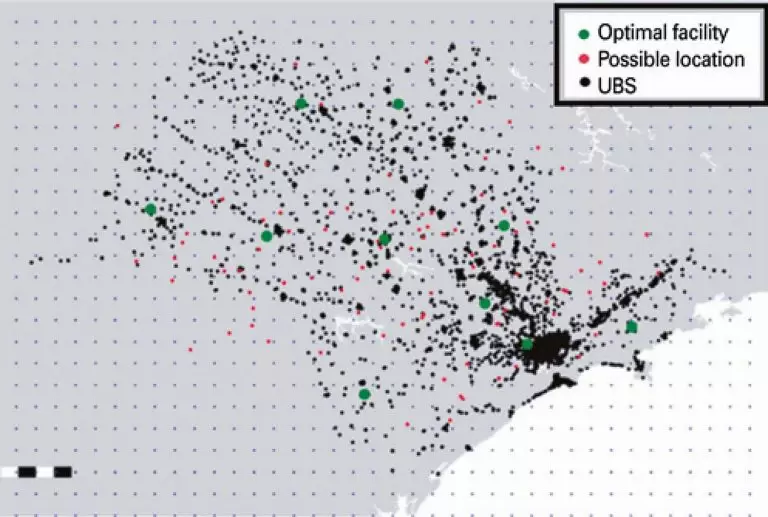
ABSTRACT Objective To evaluate a p-median model for health care services accessibility based on decentralization and optimal allocation of Primary Health Care Units in the State of São Paulo, Brazil. Methods Using geographical data of Primary Health Care Units located in the State of São Paulo, potential support and supply facility allocations were simulated by means of a random approach. Several constraints were then imposed on the system to simulate different scenarios. Results were assessed according to geographic disposition. Results […]
Keywords: Geographic locations; Health care rationing; Health equity; Health facility; Health Services Accessibility
10/Sep/2018
Partnership for productive development of biosimilar products: perspectives of access to biological products in the Brazilian market
DOI: 10.1590/S1679-45082018RW4175
ABSTRACT The manufacturing process for biological products is complex, expensive and critical to the final product, with an impact on their efficacy and safety. They have been increasingly used to treat several diseases, and account for approximately 50% of the yearly budget for the Brazilian public health system. As the patents of biological products expire, several biosimilars are developed. However, there are concerns regarding their efficacy and safety; therefore, the regulatory agencies establish rules to approve and monitor these products. […]
Keywords: Biosimilar pharmaceuticals; Health Services Accessibility; Public-private sector partnerships
01/Jul/2017
Analysis of the Internal Bed Regulation Committees from hospitals of a Southern Brazilian city
einstein (São Paulo). 01/Jul/2017;15(3):339-43.
View Article01/Jul/2017
Analysis of the Internal Bed Regulation Committees from hospitals of a Southern Brazilian city
DOI: 10.1590/S1679-45082017GS3878
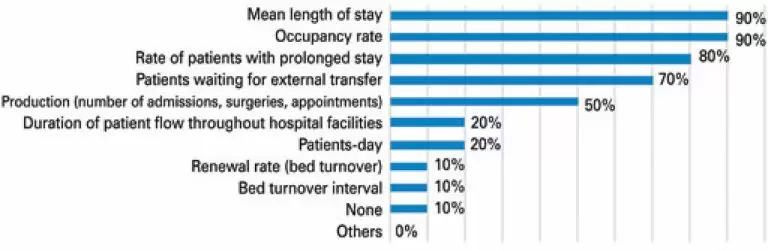
ABSTRACT Objective To evaluate the composition of the Internal Regulation Committees created in hospitals of a capital city. Methods A cross-sectional descriptive study assessing the structure, processes and results of each Committee. Results The main reasons for implementing the committees were legal issues and overcrowding in the emergency department. The most monitored indicators were the occupancy rate and the mean length of stay, and the most observed results were reductions in the latter. Institutional protocols were developed in 70% of […]
Keywords: Bed occupancy; Health care coordination and monitoring; Health Services Accessibility; Health status indicators; Hospital administration
01/Jul/2016
Disparities in cancer epidemiology and care delivery among Brazilian indigenous populations
DOI: 10.1590/S1679-45082016AO3754
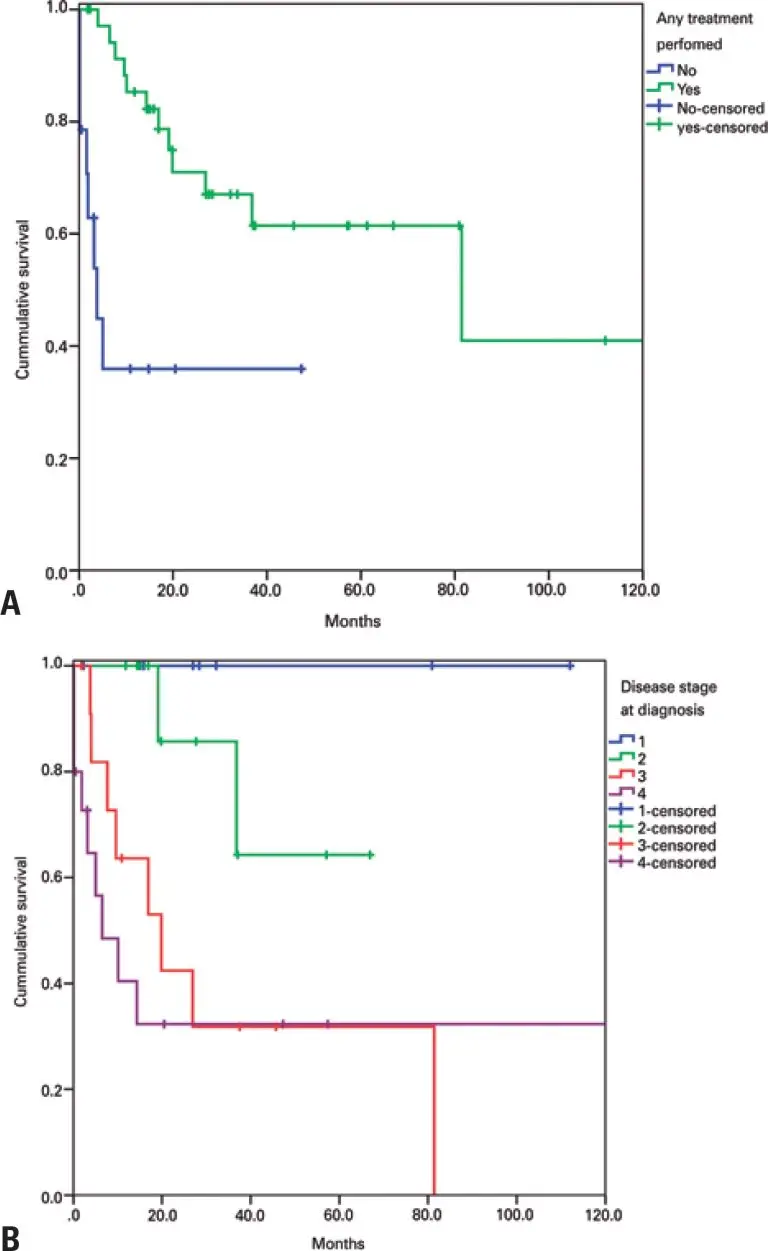
ABSTRACT Objective: To assess aspects related to cancer in indigenous population. Methods: This is a retrospective study developed in a public university hospital. We included patients with 18 or more years of age, diagnosed with solid tumors, and followed between 2005 and 2015. Clinical features were assessed by descriptive statistics, and survival was evaluated by Kaplan-Meier curves and multivariate Cox regression. Results: Fifty patients were included. The cancer incidence was 15.73 per 100,000. The mean age at diagnosis was 54 […]
Keywords: Brazil; Epidemiology; Ethnicity and health; Health Services Accessibility; Neoplasms; Public health
01/Jan/2015
Impact of implementing an Internal Bed Regulation Committee on administrative and care indicators at a teaching hospital
DOI: 10.1590/S1679-45082015GS3235
Objective To compare hospital indicators before and after implementing an Internal Bed Regulation Committee at a reference hospital. Methods It is an quantitative, evaluation, exploratory, descriptive and cross-sectional research. The data was gathered from the hospital administrative reports for the period 2008-2013, provided by the Information Technology Center of the Complexo FAMEMA. Results The indicators improved after implementation of the Internal Bed Regulation Committee. Conclusion The individuals involved in the process acknowledged the improvement. It is necessary to carry on […]
Keywords: Bed occupancy; Health care regulation and supervision; Health Services Accessibility; Health status indicators; Hospital administration
01/Jul/2014
Evolution of post-deployment indicators of oral health on the Family Health Strategy
DOI: 10.1590/S1679-45082014AO3000
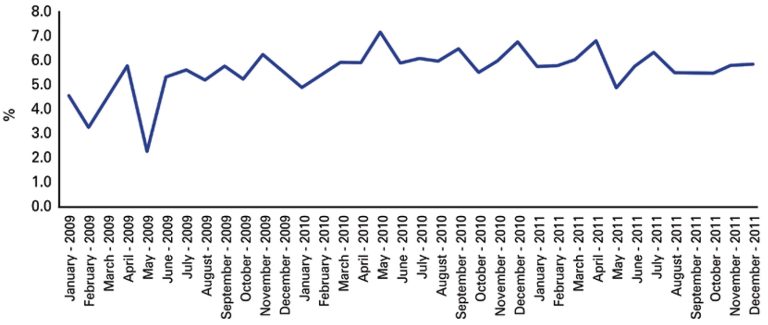
Objective To evaluate the evolution of indicators after the implementation of 21 Oral Healthcare Teams in the Family Health Strategy. Methods We used data from outpatient services of Oral Healthcare Teams to evaluate efficiency, access, percentage of absences and emergencies of oral healthcare professionals who worked in the partnership between the Sociedade Beneficente Israelita Brasileira Hospital Albert Einstein and the Secretaria Municipal de Saúde de São Paulo, during the period 2009-2011. Results Percentages of emergencies, income, and access showed a […]
Keywords: Absenteeism; Delivery of healthcare; Family health; Health Services Accessibility; Oral health