20/Aug/2019
Dissatisfaction about body image and associated factors: a study of young undergraduate students
DOI: 10.31744/einstein_journal/2019AO4642
ABSTRACT Objective: To verify the prevalence of dissatisfaction with body image and its association with socio-demographic, economic, and anthropometric variables, as well as levels of physical activity among undergraduate students. Methods: A cross-sectional study was conducted with 348 undergraduate students at the dining hall of a public Brazilian university located in the state of Mato Grosso do Sul. Body image perception was evaluated using the Silhouette Matching Task. The other variables assessed were sex, age, marital status, housing conditions, socioeconomic […]
Keywords: Body image; Body weight; Nutritional status; Self concept; Students
19/Aug/2019
Drug therapy problems for patients with tuberculosis and HIV/AIDS at a reference hospital
DOI: 10.31744/einstein_journal/2019AO4696
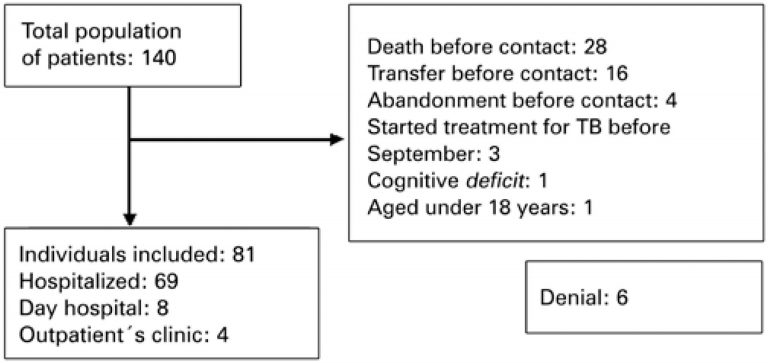
ABSTRACT Objective: To determine the frequency of drug therapy problem in the treatment of patients with tuberculosis and HIV/AIDS. Methods: Data were obtained through a cross-sectional study conducted between September 2015 and December 2016 at a reference hospital in infectious diseases in Belo Horizonte (MG), Brazil. Sociodemographic, clinical, behavioral and pharmacotherapeutic variables were evaluated through a semi-structured questionnaire. Drug-related problems of pharmaceutical care were classified using the Pharmacotherapy Workup method. Factors associated with indication, effectiveness, safety and compliance drug therapy […]
Keywords: Acquired immunodeficiency syndrome; Pharmaceutical preparations; Tuberculosis
19/Aug/2019
Drug interactions among older adults followed up in a comprehensive medication management service at Primary Care
einstein (São Paulo). 19/Aug/2019;17(4):eAO4725.
View Article19/Aug/2019
Drug interactions among older adults followed up in a comprehensive medication management service at Primary Care
DOI: 10.31744/einstein_journal/2019AO4725
ABSTRACT Objective: To estimate the prevalence of drug interactions and associated factors among older adults followed up in a Comprehensive Medication Management Service at Primary Care. Methods: Firstly, the Beers criteria 2015 was used to define drug interactions; later, drug interactions proposed by Dumbreck for patients with diabetes, depression, and heart failure were evaluated. The associated factors were assessed by univariate (Pearson’s χ2) and multivariate analyses (logistic regression). The significance level of 5% was set for all analyses. Results: The […]
Keywords: Aged; Drug interactions; Medication therapy management; Pharmacists; Potentially inappropriate medication list
19/Aug/2019
Evaluation of safety, effectiveness and reproducibility of telemedicine for neurosurgical screening
DOI: 10.31744/einstein_journal/2019AO4609
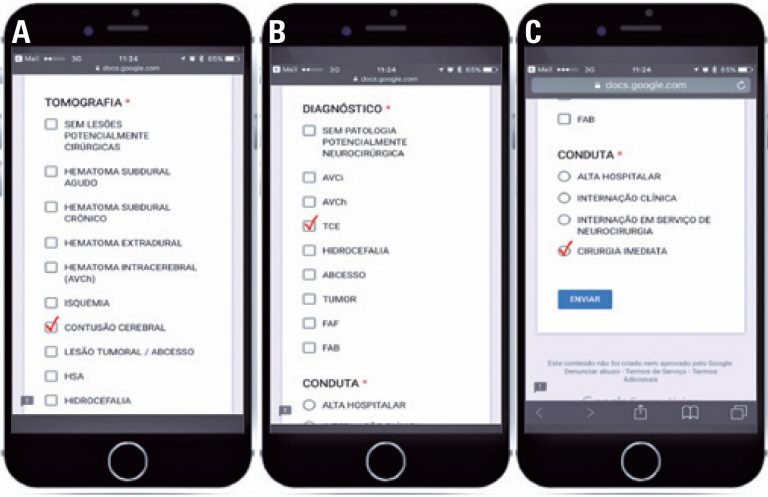
ABSTRACT Objective: To ascertain the safety, effectiveness and reproducibility of screening potential neurosurgical patients by means of smartphones. Methods: This is a retrospective and multicentric study. Data were collected from the medical records of patients subjected to real emergency neurosurgical evaluations and compared with assessments by neurosurgeons using smartphones to determine the feasibility of identifying changes in cranial computed tomography scans, potentially serious conditions of patients, and the need for transfer to reference centers. Results: We analyzed 232 cases. The […]
Keywords: Neurosurgery; Neurosurgery/methods; Sciences Health; Smartphones/trends; Telemedicine
25/Jul/2019
Therapeutic evaluation of magnetic hyperthermia using Fe3O4-aminosilane-coated iron oxide nanoparticles in glioblastoma animal model
einstein (São Paulo). 25/Jul/2019;17(4):eAO4786.
View Article25/Jul/2019
Therapeutic evaluation of magnetic hyperthermia using Fe3O4-aminosilane-coated iron oxide nanoparticles in glioblastoma animal model
DOI: 10.31744/einstein_journal/2019AO4786
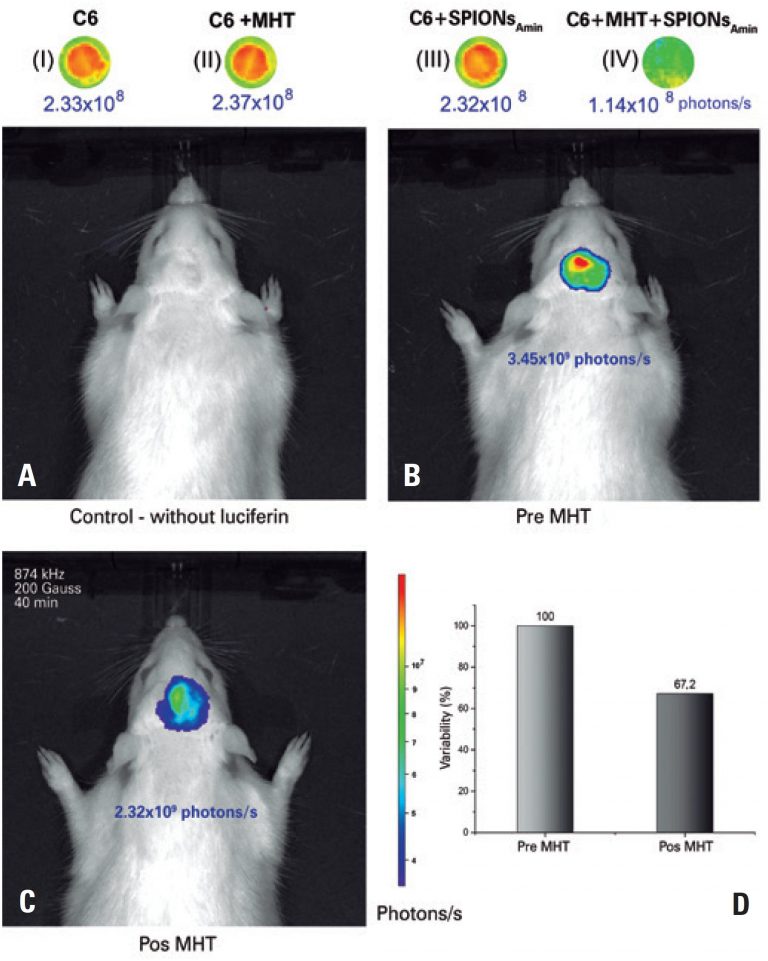
ABSTRACT Objective: To evaluate the potential of magnetic hyperthermia using aminosilane-coated superparamagnetic iron oxide nanoparticles in glioblastoma tumor model. Methods: The aminosilane-coated superparamagnetic iron oxide nanoparticles were analyzed as to their stability in aqueous medium and their heating potential through specific absorption rate, when submitted to magnetic hyperthermia with different frequencies and intensities of alternating magnetic field. In magnetic hyperthermia in vitro assays, the C6 cells cultured and transduced with luciferase were analyzed by bioluminescence in the absence/presence of alternating […]
Keywords: Aminosilane; Cell tracking/methods; Glioblastoma/therapy; Magnetic, hyperthermia; Magnetite nanoparticles; Nanoparticles; Rats; Tumoral model
11/Jul/2019
Comparative study between monoexponential and biexponential diffusion weighted imaging sequences in multiparametric prostate magnetic resonance imaging
DOI: 10.31744/einstein_journal/2019AO4615
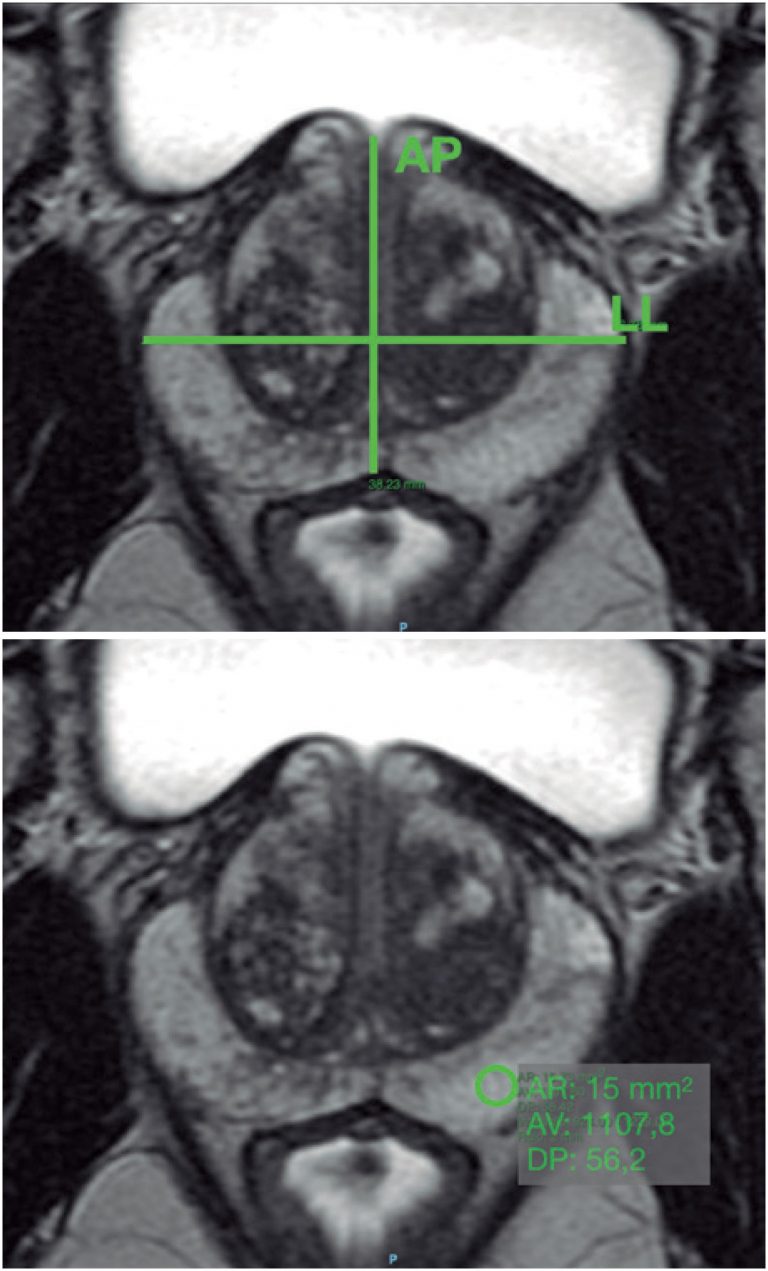
ABSTRACT Objective: To compare qualitatively and quantitatively, in terms of image quality, a new biexponential diffusion sequence protocol with the standard monoexponential diffusion protocol on multiparametric prostate magnetic resonance imaging. Methods: This study had a prospective data collection and cross-sectional analysis. Between August and November 2017, a total of 70 patients who underwent multiparametric prostate magnetic resonance imaging due to clinical suspicion of prostatic neoplasia were recruited. The images obtained were evaluated by two independent readers regarding subjective/qualitative criteria (six […]
Keywords: Biexponencial diffusion; Diffusion magnetic resonance imaging; Intravoxel incoherent motion; Magnetic resonance imaging; Monoexponencial diffusion; Multiparametric prostate magnetic resonance imaging; Prostatic neoplasms
10/Jul/2019
Evaluation and reconditioning of donor organs for transplantation through ex vivo lung perfusion
DOI: 10.31744/einstein_journal/2019AO4288
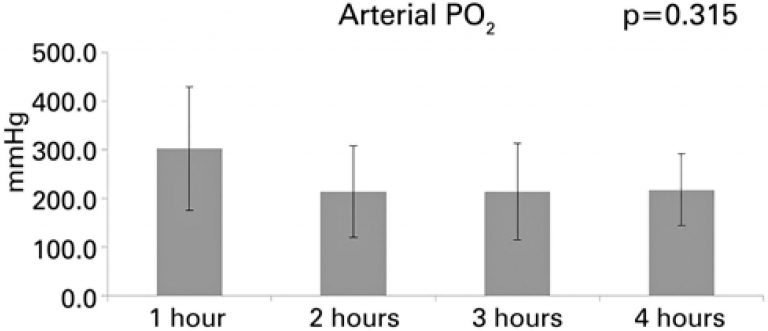
ABSTRACT Objective: To assess the feasibility and impact of ex vivo lung perfusion with hyperoncotic solution (Steen Solution™) in the utilization of these organs in Brazil. Methods: In this prospective study, we subjected five lungs considered to be high risk for transplantation to 4 hours of ex vivo lung perfusion, with evaluation of oxygenation capacity. High-risk donor lungs were defined by specific criteria, including inflammatory infiltrates, pulmonary edema and partial pressure of arterial oxygen less than 300mmHg (inspired oxygen fraction […]
Keywords: Brain death; Lung transplantation; Organ preservation
19/Jun/2019
Chronic treatment with hydroalcoholic extract of Plathymenia reticulata promotes islet hyperplasia and improves glycemic control in diabetic rats
einstein (São Paulo). 19/Jun/2019;17(3):eAO4635.
View Article19/Jun/2019
Chronic treatment with hydroalcoholic extract of Plathymenia reticulata promotes islet hyperplasia and improves glycemic control in diabetic rats
DOI: 10.31744/einstein_journal/2019AO4635
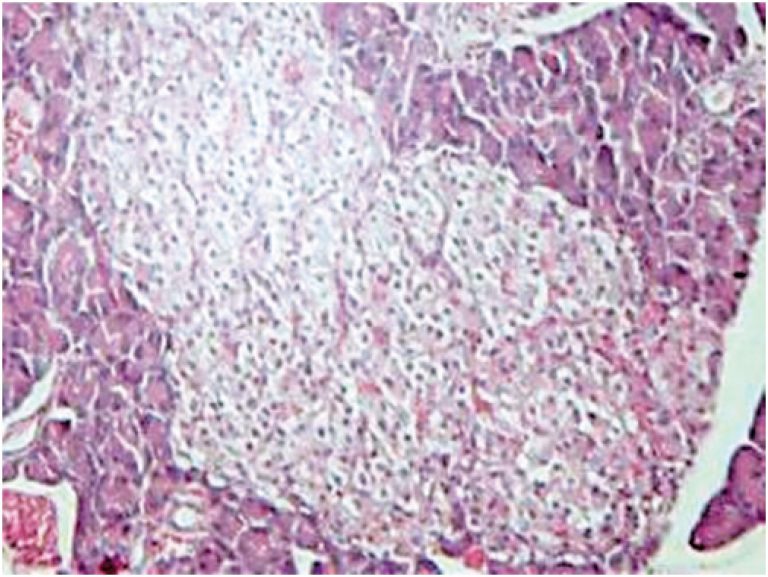
ABSTRACT Objective: To investigate the anti-hyperglycemic effects of Plathymenia reticulata hydroalcoholic extract and related changes in body weight, lipid profile and the pancreas. Methods: Diabetes was induced in 75 adult male Wistar rats via oral gavage of 65mg/Kg of streptozotocin. Rats were allocated to one of 8 groups, as follows: diabetic and control rats treated with water, diabetic and control rats treated with 100mg/kg or 200mg/kg of plant extract, and diabetic and control rats treated with glyburide. Treatment consisted of […]
Keywords: Diabetes mellitus; Fabaceae; Islets of langerhans; Pancreas; Plant extracts; Plathymenia reticulada; Streptozocin
17/Jun/2019
Anatomical study of the transfer of flexor digitorum superficialis nerve branch of median nerve to restore wrist extension and forearm pronation
einstein (São Paulo). 17/Jun/2019;17(3):eAO4489.
View Article17/Jun/2019
Anatomical study of the transfer of flexor digitorum superficialis nerve branch of median nerve to restore wrist extension and forearm pronation
DOI: 10.31744/einstein_journal/2019AO4489
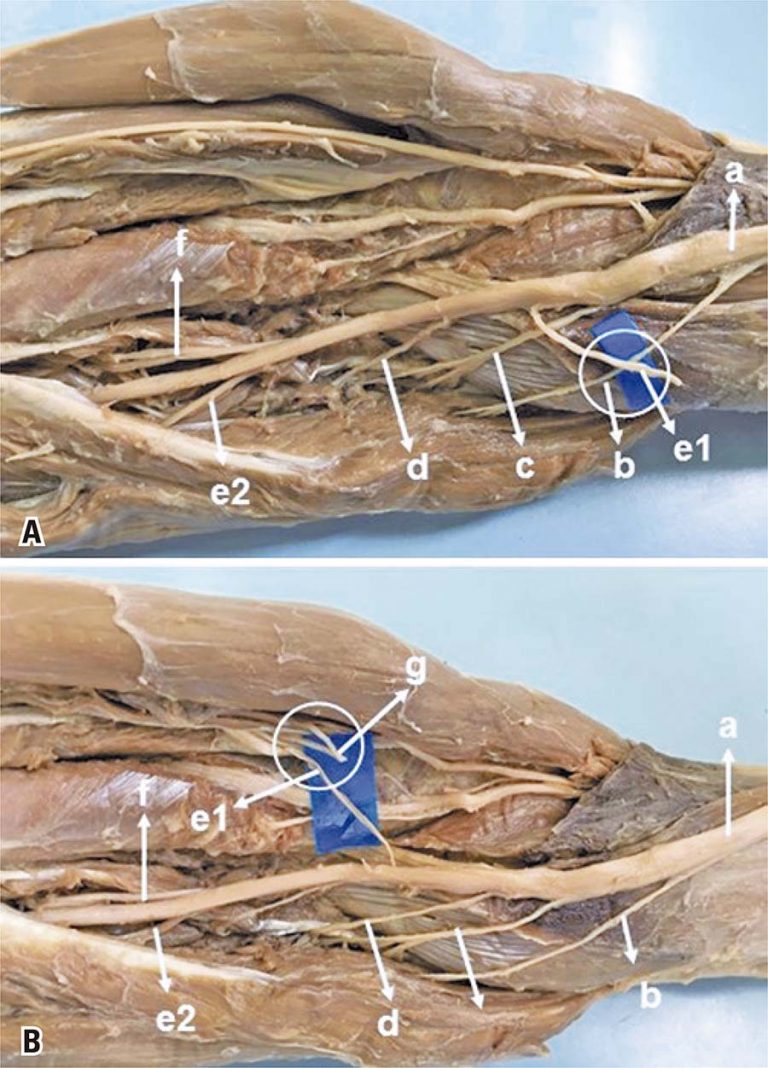
Abstract Objective To analyze the anatomical variations of the innervation of the flexor digitorum superficialis muscle and to determine if the branch of the median nerve that supply this muscle is connected to the branches to the extensor carpi radialis brevis and the pronator teres muscles, without tension, and how close to the target-muscles the transfer can be performed. Methods Fifty limbs of 25 cadavers were dissected to collect data on the anatomical variations of the branches to the flexor […]
Keywords: Pronation; Fingers; Forearm; Median nerve; Muscle, skeletal; Pronation; Tendon transfer; Wrist
Pelvic floor muscle training alone or in combination with oxybutynin in treatment of nonmonosymptomatic enuresis. A randomized controlled trial with 2-year follow up
17/Jun/2019
Pelvic floor muscle training alone or in combination with oxybutynin in treatment of nonmonosymptomatic enuresis. A randomized controlled trial with 2-year follow up
einstein (São Paulo). 17/Jun/2019;17(3):eAO4602.
View Article17/Jun/2019
Pelvic floor muscle training alone or in combination with oxybutynin in treatment of nonmonosymptomatic enuresis. A randomized controlled trial with 2-year follow up
DOI: 10.31744/einstein_journal/2019AO4602
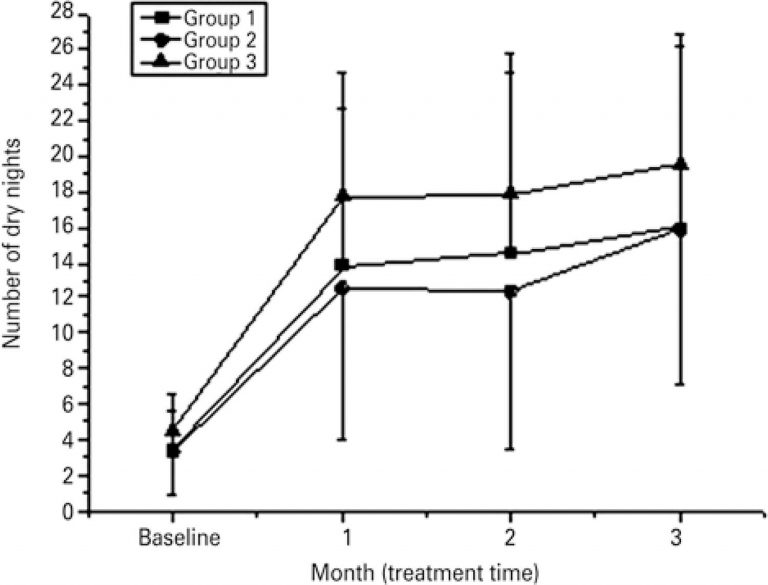
Abstract Objective To compare the results of the standard urotherapy alone and associated with pelvic floor muscle training alone, and in combination with oxybutynin in treatment of nonmonosymptomatic nocturnal enuresis. Methods A total of 38 children aged 5 to 10 years were randomized into three groups: Group I (n=12) that was submitted to standard urotherapy; Group II (n=15), standard urotherapy associated with pelvic floor muscle training; and Group III (n=11), standard urotherapy associated with pelvic floor muscle training and oxybutynin; […]
Keywords: Child; Conservative treatment; Nocturnal enuresis; Oxybutynin; Pelvic floor/physiopathology; Urinary incontinence