23/Jan/2020
Myelodysplastic syndrome: validation of flow cytometry multilineage score system
DOI: 10.31744/einstein_journal/2020AO4966
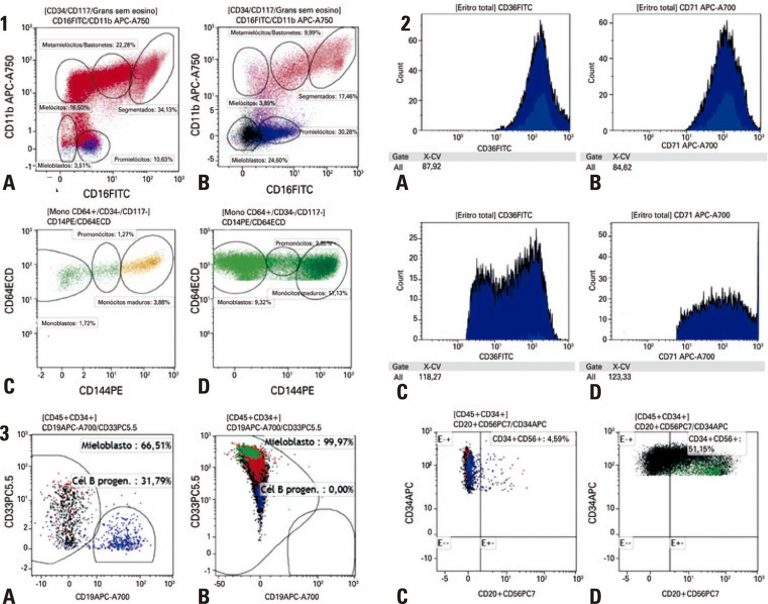
ABSTRACT Objective To validate multilineage score system correlating results of flow cytometry, cytogenetics, cytomorphology and histology from samples of patients with suspected myelodysplastic syndrome or cytopenia of unknown origin. Methods A retrospective study analyzing laboratory data of 49 patients with suspected myelodysplastic syndrome or cytopenia of unknown origin, carried out between May and September 2017. The inclusion criteria were availability of flow cytometry results, and at least one more method, such as morphology, histology or cytogenetics. Thirty-eight patients were classified […]
Keywords: Cytogenetics; Cytomorphology; Flow cytometry; Histology; Multilineage score system; Myelodysplastic syndromes
23/Jan/2020
Exposure to secondhand smoke among patients with asthma: a cross-sectional study
DOI: 10.31744/einstein_journal/2020AO4781
ABSTRACT Objective To estimate the frequency of secondhand smoke exposure among patients with asthma. Methods A cross-sectional study of asthma patients and non-asthmatic controls using questionnaires to identify secondhand smoke exposure at home, school, work, and public places. Results We studied 544 severe asthma patients, 452 mild/moderate asthma patients, and 454 non-asthmatic patients. Among severe patients, the mean age was 51.9 years, 444 (81.6%) were female, 74 (13.6%) were living with a smoker, 383 (71.9%) reported exposure in public spaces […]
Keywords: Asthma; Environmental exposure; Health policy; Quality of life; Tobacco smoke pollution/adverse effects
23/Jan/2020
Linguistic and cultural adaptation to the Portuguese language of antimicrobial dose adjustment software
DOI: 10.31744/einstein_journal/2020AO5023
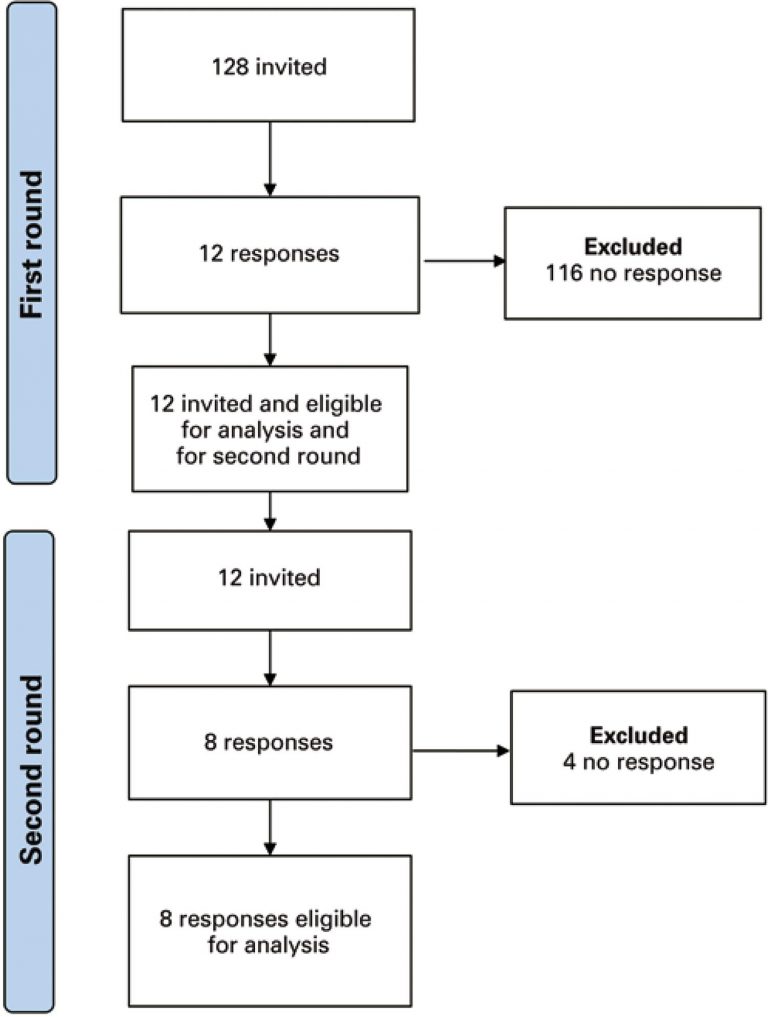
ABSTRACT Objective To adapt an antibiotic dose adjustment software initially developed in English, to Portuguese and to the Brazilian context. Methods This was an observational, descriptive study in which the Delphi method was used to establish consensus among specialists from different health areas, with questions addressing the visual and operational aspects of the software. In a second stage, a pilot experimental study was performed with the random comparison of patients for evaluation and adaptation of the software in the real […]
Keywords: Anti-infective agents; Brazil; Dosage forms; Intensive care units; Piperacillin; Software; Surveys and questionnaires
22/Jan/2020
Practices related to assessment of sedation, analgesia and delirium among critical care pediatricians in Brazil
DOI: 10.31744/einstein_journal/2020AO5168
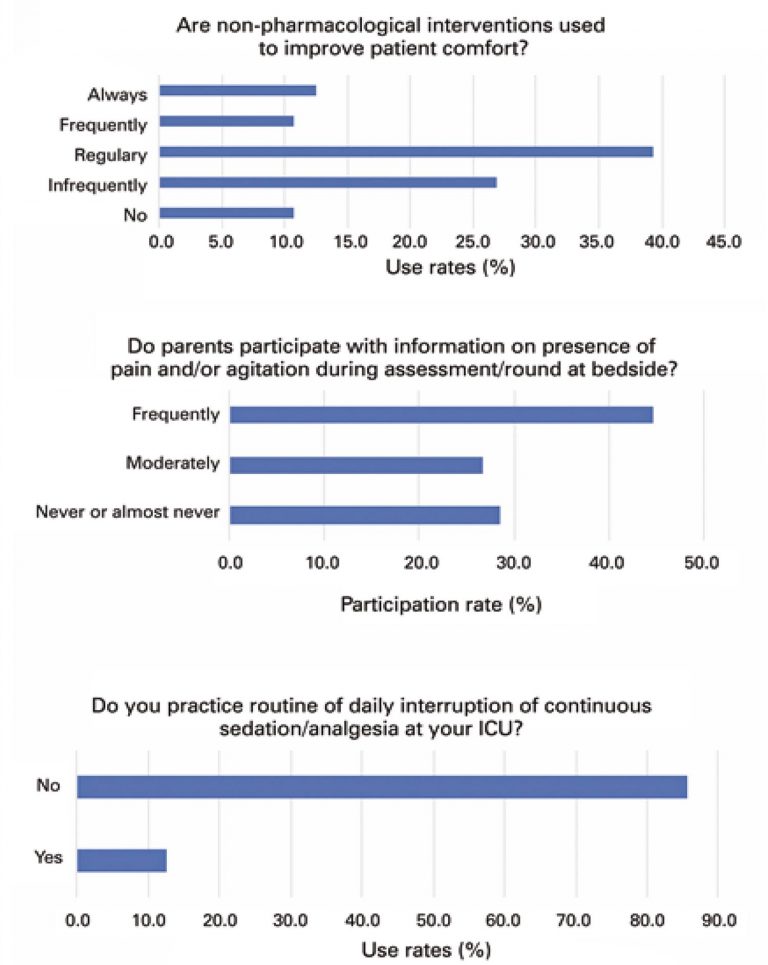
ABSTRACT Objective To understand the use of tools, protocols and comfort measures related to sedation/analgesia, and to screen the occurrence of delirium in pediatric intensive care units. Methods A survey with 14 questions was distributed by e-mail to Brazilian critical care pediatricians. Eight questions addressed physician and hospital demographics, and six inquired practices to assess sedation, analgesia, and delirium in pediatric intensive care units. Results Of 373 questionnaires sent, 61 were answered (16.3%). The majority of physicians were practicing in […]
Keywords: Analgesia; Brazil; Child; Critical care; Deep sedation; Delirium; Surveys and questionnaires
22/Jan/2020
Comparison between enzyme-linked immunosorbent assay and indirect immunofluorescence for detection of antineutrophil cytoplasmic antibodies
einstein (São Paulo). 22/Jan/2020;18:eAO5132.
View Article22/Jan/2020
Comparison between enzyme-linked immunosorbent assay and indirect immunofluorescence for detection of antineutrophil cytoplasmic antibodies
DOI: 10.31744/einstein_journal/2020AO5132
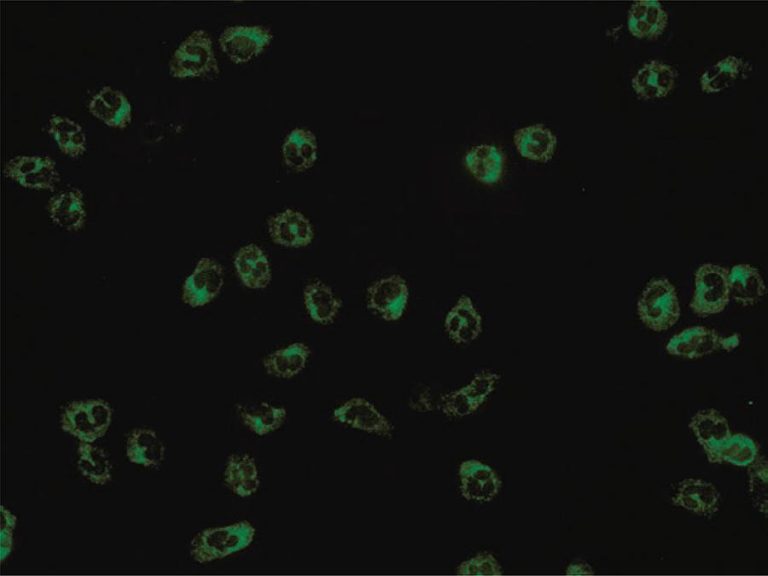
ABSTRACT Objective To evaluate the performance of enzyme-linked immunosorbent assay and indirect immunofluorescence methods for the detection of antineutrophil cytoplasmic antibodies in a routine clinical laboratory setting. Methods A total of 227 samples were tested by indirect immunofluorescence and enzyme-linked immunosorbent assay with antigen specificity for antiproteinase 3 and antimyeloperoxidase. The proportions of positive samples were compared by McNemar hypotheses and agreement was described by Cohen’s Kappa coefficient. Results The agreement of the tests was 96.5%, and the Kappa coefficient […]
Keywords: Antibodies, antineutrophil cytoplasmic; Autoantibodies; Autoimmune diseases; Enzyme-linked immunosorbent assay; Fluorescent antibody technique, indirect
22/Jan/2020
Anatomical study of the brachial plexus in human fetuses and its relation with neonatal upper limb paralysis
DOI: 10.31744/einstein_journal/2020AO5051
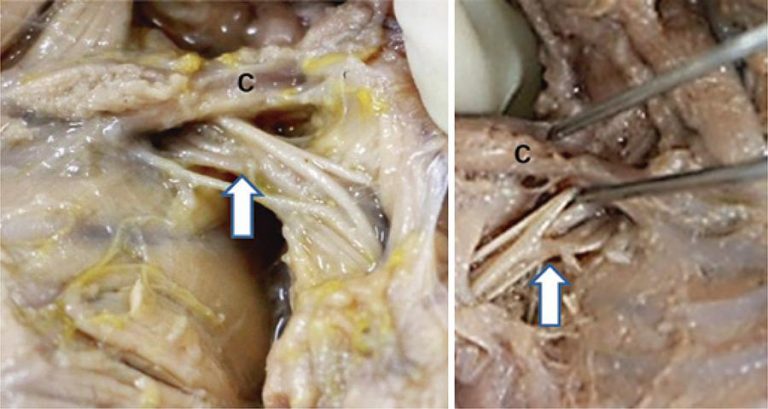
ABSTRACT Objective To study the anatomy of the brachial plexus in fetuses and to evaluate differences in morphology during evolution, or to find anatomical situations that can be identified as the cause of obstetric paralysis. Methods Nine fetuses (12 to 30 weeks of gestation) stored in formalin were used. The supraclavicular and infraclavicular parts of the brachial plexus were dissected. Results In its early course, the brachial plexus had a cord-like shape when it passed through the scalene hiatus. Origin […]
Keywords: Brachial plexus/anatomy & histology; Fetus/abnormalities; Paralysis
20/Dec/2019
Physicians’ behavior regarding non-acceptance of oral restriction (nil per os) by dysphagic patient with risk of laryngotracheal aspiration
DOI: 10.31744/einstein_journal/2020AO4952
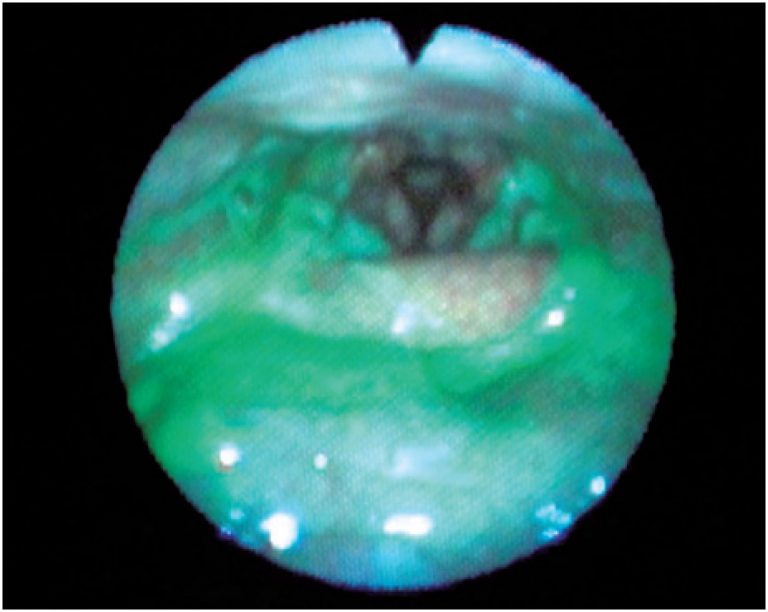
ABSTRACT Objective: To define physician´s behavior in the face of a mentally capable elderly dysphagic patients at risk of pulmonary aspiration, who do not accept oral restriction. Methods: Observational, cross-sectional study, presenting a clinical case of an independent elderly with clinical complaints of dysphagia and laryngotracheal aspiration by flexible endoscopic evaluation of swallowing who rejected the proposal to restrict oral diet. A questionnaire about the patient’s decision-making process was used to assess whether the physician was sympathetic and justify their […]
Keywords: Aged; Bioethics; Deglutition disorders; Dysphagia; Personal autonomy
20/Dec/2019
Pharmaceutical intervention in the rational use of intravenous omeprazole
DOI: 10.31744/einstein_journal/2020AO4433
ABSTRACT Objective: To describe the pharmaceutical interventions of a vertical clinical pharmacy service to promote the rational use of intravenous omeprazole. Methods: A prospective and descriptive study carried out at a university hospital in the Midwestern Region of Brazil, from November 2014 to May 2015. The service consisted of the analysis of adequacy of the route of administration of omeprazole in relation to the clinical conditions of the patient, as well as the use of the appropriate diluent. Interventions were […]
Keywords: Drug utilization; Infusions, intravenous; Omeprazole; Patient safety; Pharmaceutical services
20/Dec/2019
Magnetic hyperthermia therapy in glioblastoma tumor on-a-Chip model
DOI: 10.31744/einstein_journal/2020AO4954
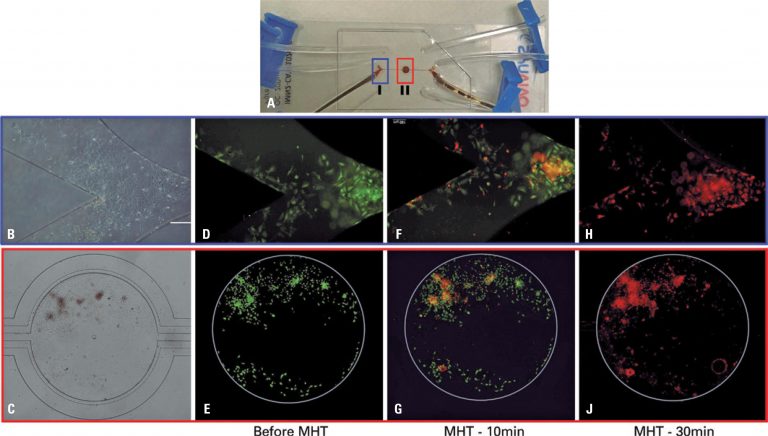
ABSTRACT Objective: To evaluate the magnetic hyperthermia therapy in glioblastoma tumor-on-a-Chip model using a microfluidics device. Methods: The magnetic nanoparticles coated with aminosilane were used for the therapy of magnetic hyperthermia, being evaluated the specific absorption rate of the magnetic nanoparticles at 300 Gauss and 305kHz. A preculture of C6 cells was performed before the 3D cells culture on the chip. The process of magnetic hyperthermia on the Chip was performed after administration of 20μL of magnetic nanoparticles (10mgFe/mL) using […]
Keywords: C6 cells; Glioblastoma/therapy; Hyperthermia; Microfluidics; Nanoparticles
12/Dec/2019
Analysis of the technical-scientific production of the National Council for Scientific and Technological Development (CNPq) productivity fellows in Pediatrics
DOI: 10.31744/einstein_journal/2020AO5043
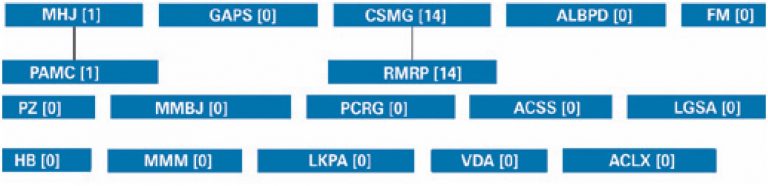
ABSTRACT Objective: To analyze the technical-scientific production of research productivity fellows of the National Council for Scientific and Technological Development, in Pediatrics, from 2013 to 2016. Methods: First, data were obtained identifying fellowship researchers using the Lattes Platform, and subsequently calculating the indicators present in their Lattes curricula using scriptLattes software v8.10. Results: In the period studied, 17 fellowship researchers were identified. They published a total of 524 articles in journals, most of them ranked as high and intermediate Qualis. […]
Keywords: Bibliometrics; Pediatrics; Researcher performance evaluation systems; Scientific and technical activities; Scientific publication indicators