20/Dec/2019
Idiopathic thrombocytopenic purpura in a patient with situs inversus totalis: case report and literature review
DOI: 10.31744/einstein_journal/2020RC5111
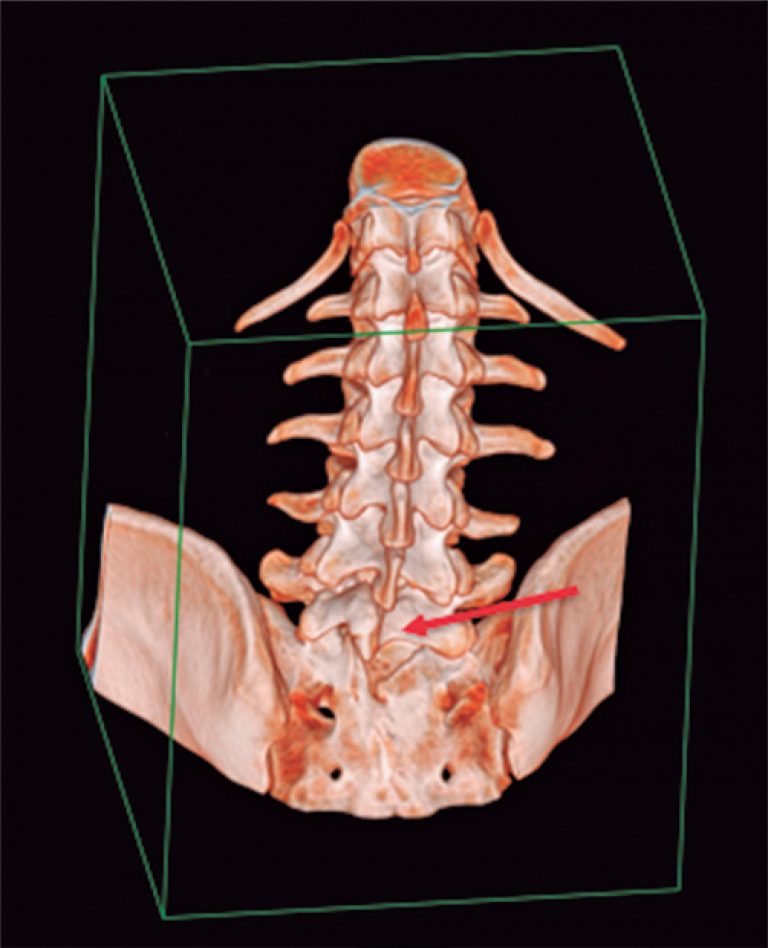
ABSTRACT Situs inversus totalis is a rare recessive autosomal congenital abnormality in which the mediastinal and abdominal organs are in a mirrored position when compared to the usual topography. The literature reports some cases of situs inversus totalis and concomitant conditions: spinal abnormalities, cardiac malformations and hematological diseases, such as idiopathic thrombocytopenic purpura, which is an autoimmune disease that causes thrombocytopenia due to platelet destruction or suppression of its production. This article aimed to report the coexistence of situs inversus […]
Keywords: Exome; Hematologic diseases; Platelet count; Purpura, thrombocytopenic; Situs inversus
14/Nov/2019
Loss of tolerance 5 days after discontinuing sulphonamide introduced via desensitization in delayed reaction
DOI: 10.31744/einstein_journal/2020RC5002
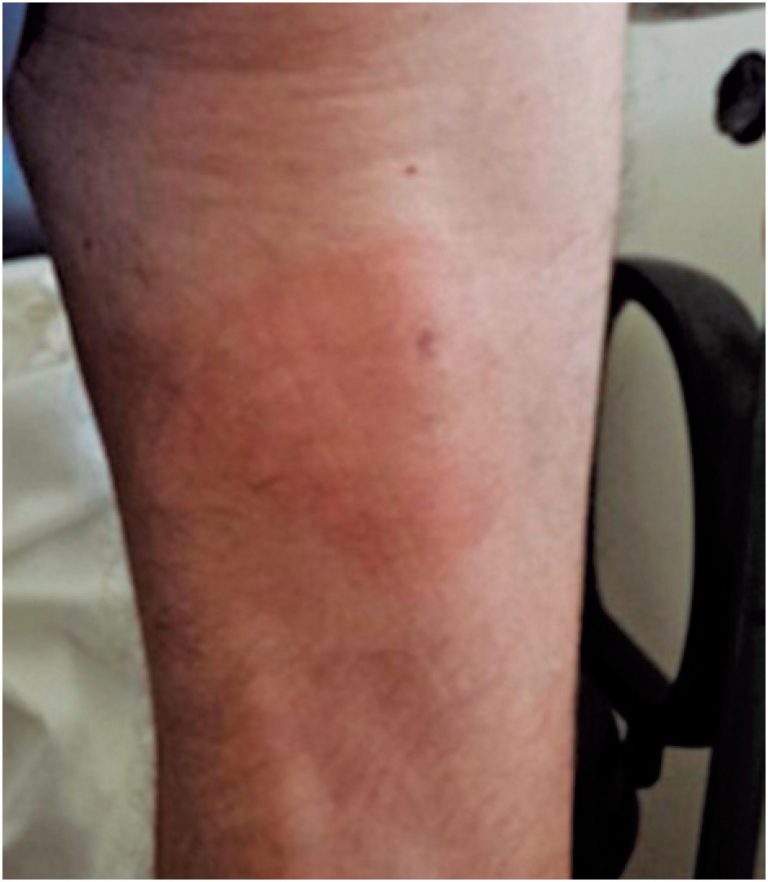
ABSTRACT The fixed drug eruption is a non-immediate hypersensitivity reaction to drug, characterized by recurrent erythematous or violaceous, rounded, well-defined border plaques, which always appear in the same location every time the culprit drug is administered. The usual practice is to avoid the drug involved and to use a structurally different drug. However, there are situations in which there is no safe and effective therapy. In such situations, desensitization is the only option. We describe the case of a patient […]
Keywords: Desensitization, immunologic; Drug eruptions; Drug hypersensitivity; Drug tolerance; Trimethoprim, sulfamethoxazole drug combination
17/Sep/2019
Purple urine bag syndrome: case report
DOI: 10.31744/einstein_journal/2020RC5063
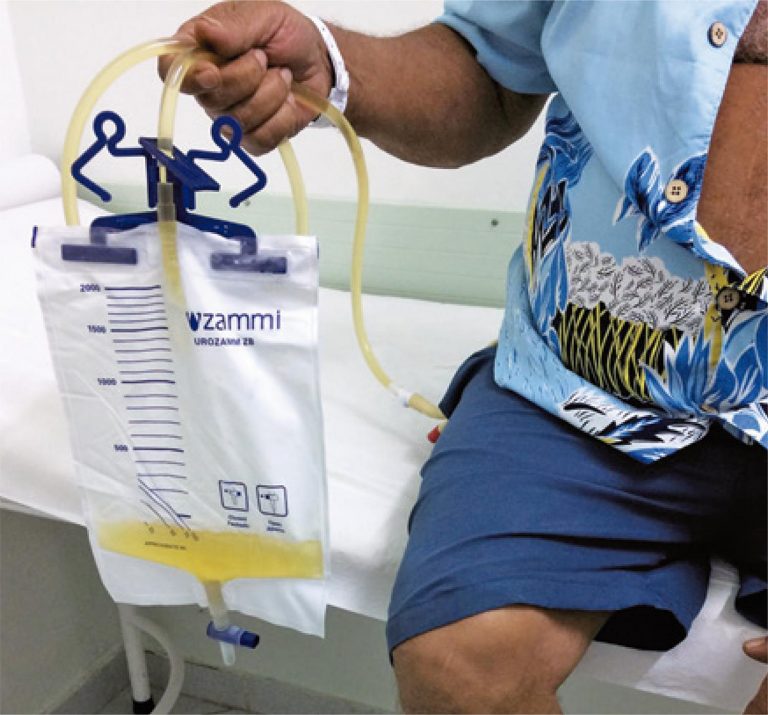
ABSTRACT A 65-year-old male with a history of urinary tract trauma requiring cystotomy and chronic bladder catheterization, presenting with chronic and uninvestigated changes in the color of the urine bag system, with no urine color change, and positive urine culture for Proteus mirabilis . These characteristics refer to the purple urine bag syndrome, a not weel-known condition, with a benign course in most cases, and associated with urinary tract infection in patients with chronic bladder catheterization. Although it is characterized […]
Keywords: Bacterial infections; Cystotomy; Urinary catheterization; Urinary reservoirs, continent
11/Sep/2019
The rare holley antibody associated with a severe hemolytic transfusion reaction: the importance of this antibody identification to find a compatible blood unit
einstein (São Paulo). 11/Sep/2019;18:eRC4582.
View Article11/Sep/2019
The rare holley antibody associated with a severe hemolytic transfusion reaction: the importance of this antibody identification to find a compatible blood unit
DOI: 10.31744/einstein_journal/2020RC4582
ABSTRACT The correct identification of erythrocyte antibodies is fundamental for the searching for compatible blood and haemolytic transfusion reactions prevention. Antibodies against antigens of high prevalence are difficult to identify because of the rarity of their occurrence and unavailability of negative red cells for confirmation. We report a case of 46-years-old woman, diagnosed with hemoglobinopathy, and who had symptomatic fall in hemoglobin levels (5.3g/dL) after blood transfusion suggestive of transfusion reaction. The patient’s blood type was O RhD-positive. Irregular antibody […]
Keywords: Antibodies; Blood; Blood transfusion; Transfusion reaction
01/Jul/2019
Dupilumab in the treatment of severe atopic dermatitis refractory to systemic immunosuppression: case report
einstein (São Paulo). 01/Jul/2019;17(4):eRC4599.
View Article01/Jul/2019
Dupilumab in the treatment of severe atopic dermatitis refractory to systemic immunosuppression: case report
DOI: 10.31744/einstein_journal/2019RC4599
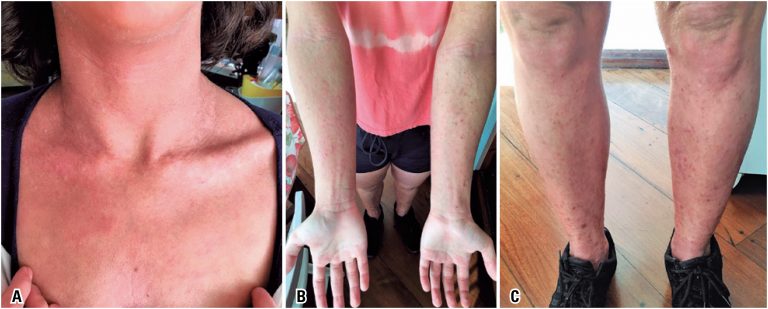
ABSTRACT Case report of a patient with severe atopic dermatitis who showed a good response to dupilumab. She had already used two immunosuppressive agents, cyclosporine A and mycophenolate mofetil, for the treatment of atopic dermatitis with no proper control of the disease. She had also been taking all measures to control severe cases of the disease: bath and environmental controls, topical potent corticosteroids and emollients. She presented constant pruritus and skin lesions, frequent skin infections e poor quality of life. […]
Keywords: Dermatitis, atopic/drug therapy; Immunosuppressive agents/therapeutic use; Severity of illness index
01/Jul/2019
Peri-prosthetic infection in the postoperative period of endovascular abdominal aorta aneurysm repair: treatment by percutaneous drainage
einstein (São Paulo). 01/Jul/2019;17(4):eRC4668.
View Article01/Jul/2019
Peri-prosthetic infection in the postoperative period of endovascular abdominal aorta aneurysm repair: treatment by percutaneous drainage
DOI: 10.31744/einstein_journal/2019RC4668
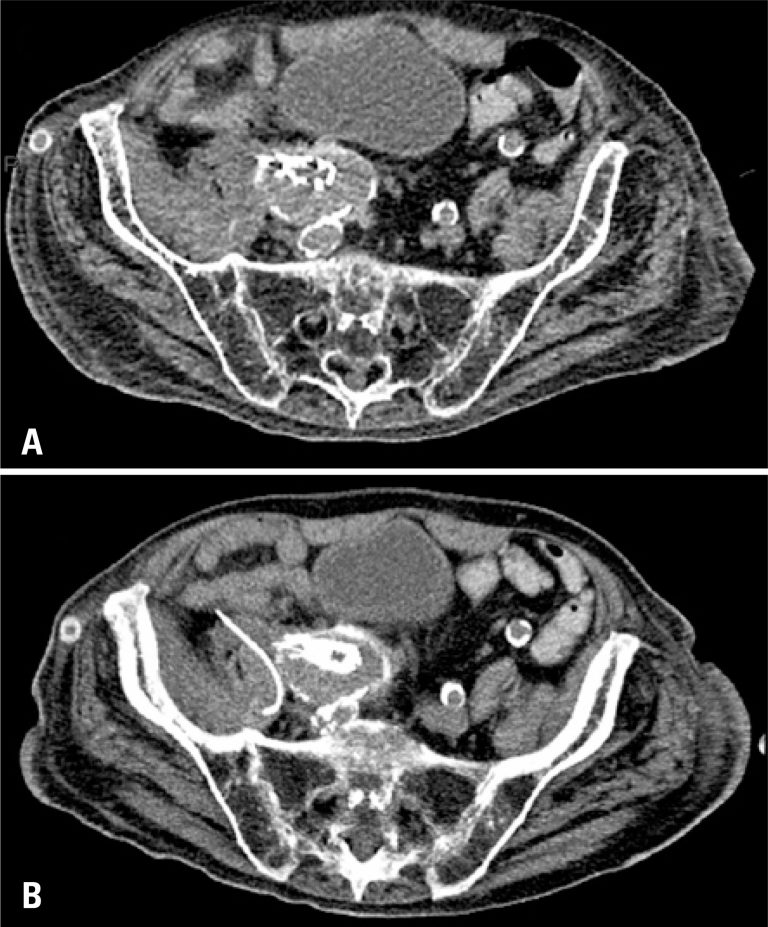
ABSTRACT Endovascular aneurysm repair is an established technique for treating many infrarenal aortic aneurysms. Infection is one of the most serious complications of this technique, and although percutaneous treatment has been well established for intra-abdominal collections, its use to treat peri-prosthetic fluid collections has not been well determined. In this article we describe a small series of three patients who were treated with percutaneous drainage, with good clinical and imaging responses. Percutaneous drainage is a safe, effective and minimally invasive […]
Keywords: abdominal; Aortic aneurysm; Drainage/methods; Endovascular procedures; Infection; interventional; Radiology
19/Jun/2019
Live fetus inside the urinary bladder: a case report
DOI: 10.31744/einstein_journal/2019RC4570
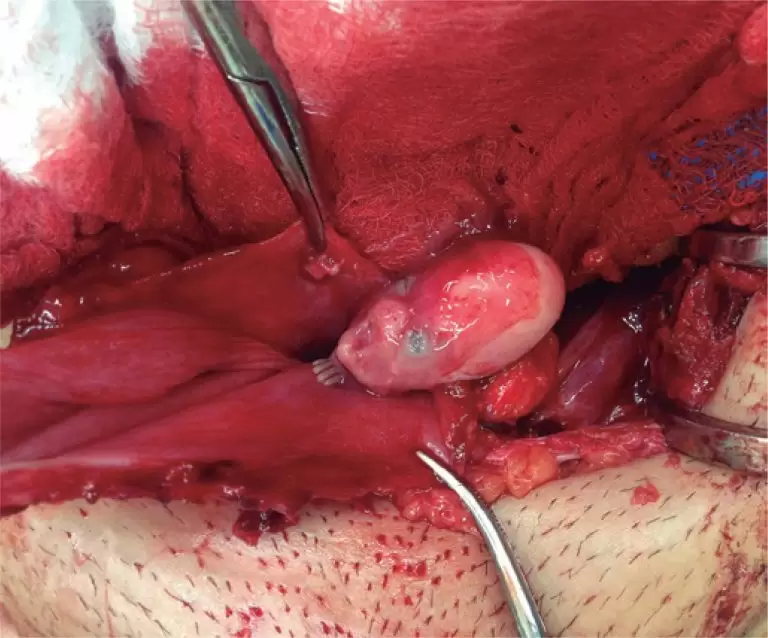
ABSTRACT Vesicouterine fistula is a rare condition. Its incidence, however, has been increasing due to the higher incidence of cesarean sections. The presence of a live fetus inside the bladder who passed through a vesicouterine fistula is an extremely rare situation. We report a case of woman who underwent two previous cesarean sections, was referred to a hospital due to mild pelvic pain and genital bleeding. At the moment, physical examination was normal. Ultrasound scan revealed a gestational sac inserted […]
Keywords: Abortion; Fetus; Obstetrics; Pregnancy; Pregnancy complications; Urinary fistula
08/Jun/2019
Treatment of ligneous conjunctivitis with heterologous serum
DOI: 10.31744/einstein_journal/2019RC4714
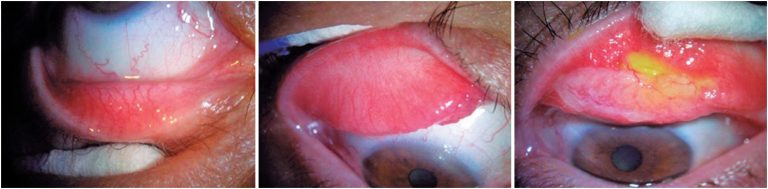
ABSTRACT Ligneous conjunctivitis is a rare form of chronic and recurrent bilateral conjunctivitis, in which thick membranes develop on the tarsal conjunctiva and on other mucosae. We report the case of a 55-year old female patient with bilateral ligneous conjunctivitis who was successfully treated with 50% heterologous serum. There was no recurrence or side effects after one-year follow-up. We suggest the use of 50% heterologous serum should be further studied to better determine its efficacy as a treatment option for […]
Keywords: Conjunctivitis/therapy; Plasminogen/deficiency; Serum
08/Jun/2019
Reproductive alternatives for patients with dystrophic epidermolysis bullosa
DOI: 10.31744/einstein_journal/2019RC4577
ABSTRACT Epidermolysis bullosa describes a group of skin conditions caused by mutations in genes encoding proteins related to dermal-epidermal adhesion. In the United States, 50 cases of epidermolysis bullosa per 1 million live births are estimated, 92% of which classified as simplex, 5% dystrophic, 1% junctional and 2% non-classified. Dystrophic epidermolysis bullosa is associated with autosomal, dominant and recessive inheritance. Epidermolysis bullosa causes severe psychological, economic and social impacts, and there is currently no curative therapy, only symptom control. Embryonic […]
Keywords: Basement membrane; Collagen type VII; Epidermolysis bullosa dystrophica; Genetic counseling; Heredity
13/May/2019
Left ventricular noncompaction in a Para athlete
DOI: 10.31744/einstein_journal/2019RC4514
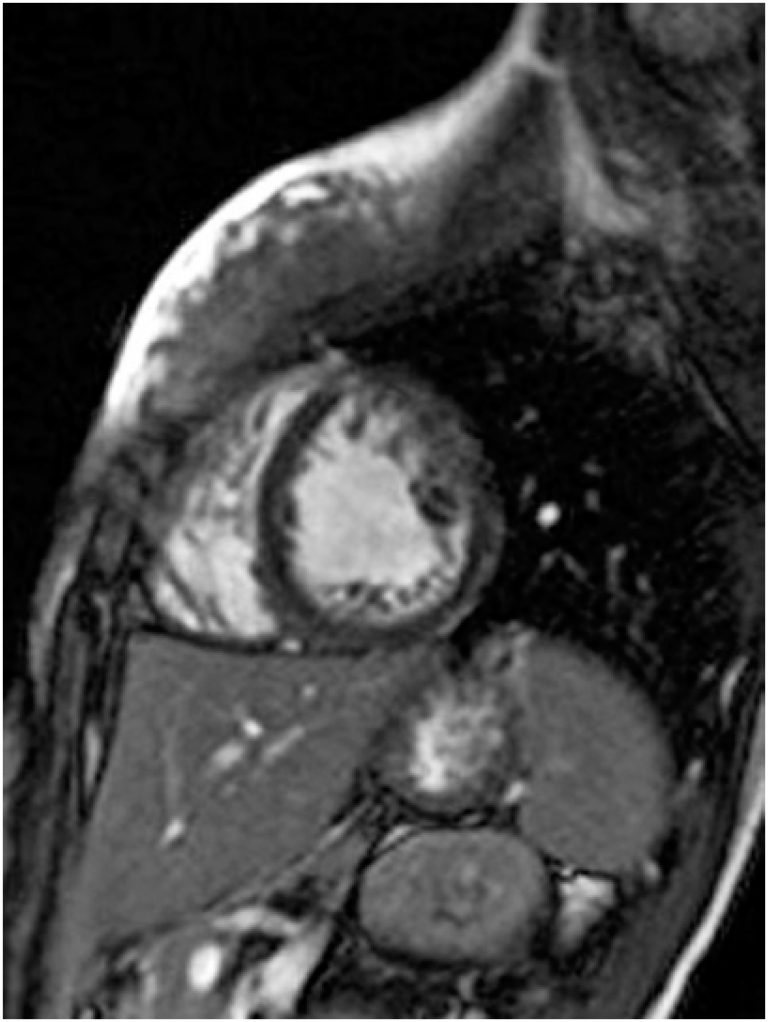
ABSTRACT The left ventricular noncompaction is a congenital cardiomyopathy characterized by the presence of abnormal trabeculations in the left ventricle. The present study describes the case of a 14-year-old female Para athlete, who plays goalball. She was asymptomatic, with history of congenital nystagmus and mild visual impairment, who presented nonspecific electrocardiographic abnormalities during pre-competition screening. Cardiac magnetic resonance imaging showed left ventricular non-compaction (non-compacted to compacted layer ratio equal to 2.5) and mild biventricular systolic dysfunction. Initially, the patient was […]
Keywords: Cardiomyopathies; Congenital abnormalities; Exercise; Isolated noncompaction of the ventricular myocardium