08/Apr/2026
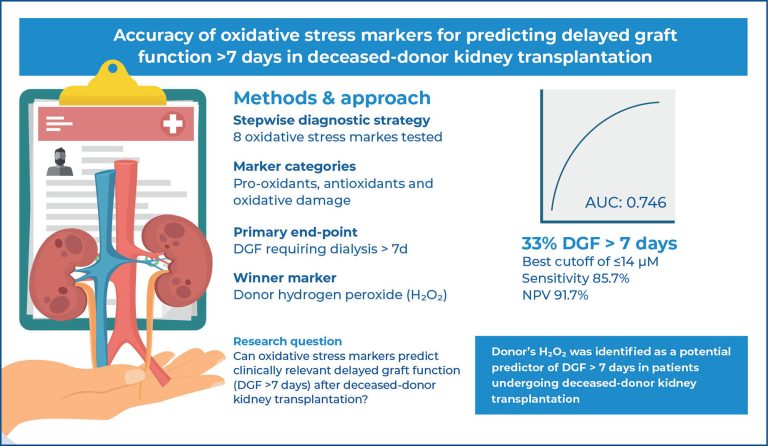
Accuracy of oxidative stress markers for predicting delayed graft function lasting longer than a week in deceased-donor kidney transplantation
einstein (São Paulo). 08/Apr/2026;24:eAO1827.
View Article08/Apr/2026
Accuracy of oxidative stress markers for predicting delayed graft function lasting longer than a week in deceased-donor kidney transplantation
DOI: 10.31744/einstein_journal/2026AO1827
Highlights ■ Oxidative stress markers are associated with the intensity and consequences of ischemia-reperfusion injury during deceased-donor kidney transplantation. ■ The donor’s serum hydrogen peroxide level achieved 85.7% sensitivity and a 91.7% negative predictive value for detecting delayed graft function lasting more than one week. ■ Donor H2O2 ≤14μM is suggested to dichotomize risk for delayed graft function lasting longer than a week. ■ This study provides pivotal information on the use of oxidative stress markers to identify patients at […]
Keywords: Graft survival; Kidney transplantation; Oxidative stress
09/Nov/2022
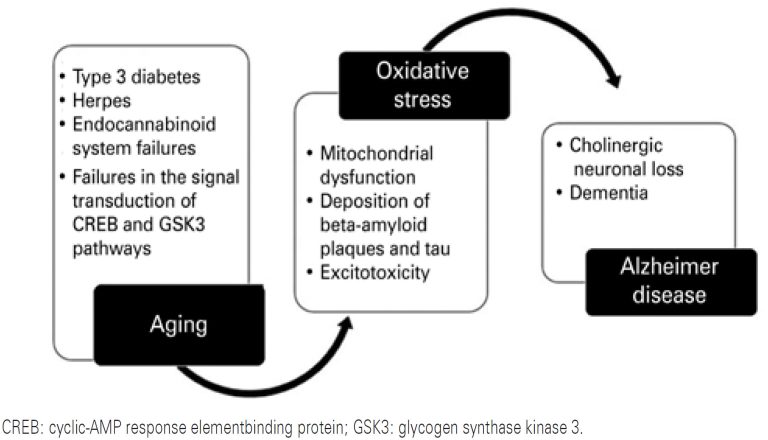
Hypothesis on ontogenesis and pathophysiology of Alzheimer’s disease
DOI: 10.31744/einstein_journal/2022RW0170
ABSTRACT Alzheimer’s disease is a neurodegenerative condition that causes changes in memory and cognition, in addition to behavioral disorders, and most commonly affects the elderly. Several studies in the literature have presented therapeutic measures in an attempt to interfere with the pathogenic mechanisms of the disease and to mitigate its clinical manifestations. Some factors, such as excitotoxicity, cholinergic dysfunctions, oxidative stress, tau protein hyperphosphorylation, changes in amyloid-beta peptide metabolism, herpes viruses, apolipoprotein E, glycogen synthase kinase 3, insulin resistance, and […]
Keywords: Alzheimer disease; Amyloid beta-peptides; Apolipoprotein E4; Cyclic AMP response element-binding protein; Diabetes mellitus type 3; Endocannabinoids; Glycogen synthase kinase 3; Insulin resistance; Oxidative stress; Tau proteins
13/Sep/2021
Effects of photobiomodulation therapy on functional recovery, angiogenesis and redox status in denervated muscle of rats
einstein (São Paulo). 13/Sep/2021;19:eAO6001.
View Article13/Sep/2021
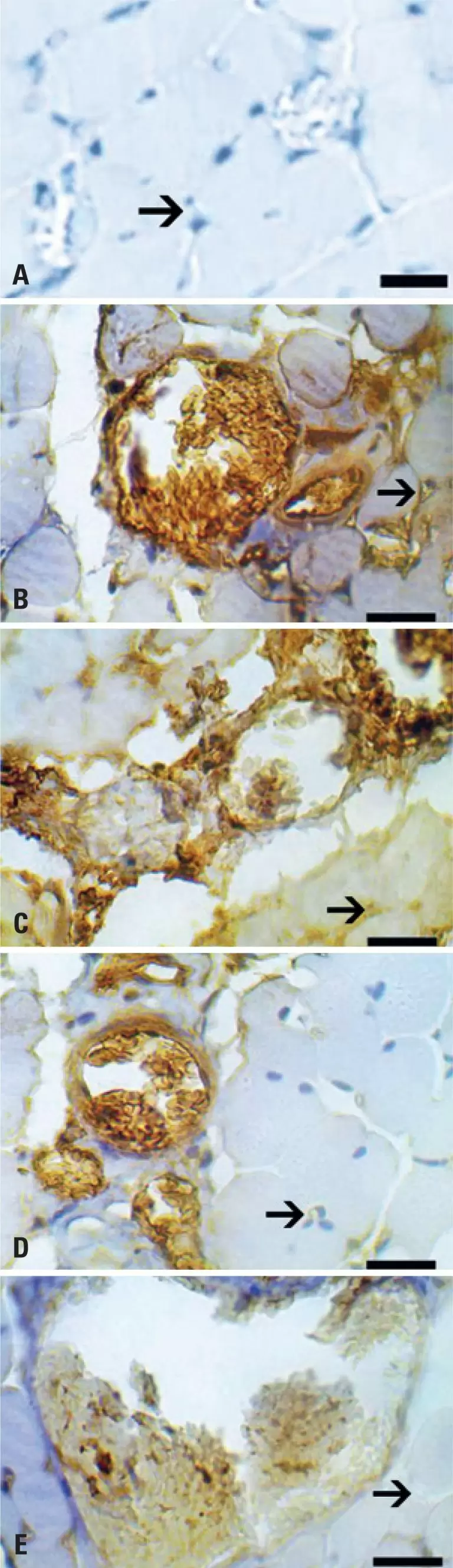
Effects of photobiomodulation therapy on functional recovery, angiogenesis and redox status in denervated muscle of rats
DOI: 10.31744/einstein_journal/2021AO6001
ABSTRACT Objective: To evaluate the effects of photobiomodulation therapy in redox status, angiogenesis marker – vascular endothelial growth factor – and in the functional recovery in denervated muscle. Methods: A total of 32 female Wistar rats underwent a crush injury and were randomly divided into four groups: Light Emitting Diode Group 2 and Control Group 2 (muscle collected 2 days after injury), and Light Emitting Diode Group 21 and Control Group 21 (muscle collected 21 days afterinjury). Light Emitting Diode […]
Keywords: Crush injuries; Muscle strength; Muscles; Oxidative stress; Phototherapy; Rats, Wistar; Vascular endothelial growth factors
13/Apr/2020
Evaluation of nutritional risk factors in hematopoietic stem cell transplantation-eligible patients
DOI: 10.31744/einstein_journal/2020AO5075
ABSTRACT Objective To evaluate the nutritional risk factors in patients eligible for hematopoietic stem cell transplantation. Methods A cross-sectional, descriptive study conducted with patients recruited from an hematology outpatient clinic. Study variables included demographic and clinical data, patient-generated global subjective assessment findings, anthropometric indicators, food intake and oxidative stress levels. The level of significance was set at 5% (p
Keywords: Food consumption; Hematopoietic stem cells; Nutritional status; Oxidative stress; Sarcopenia; Stem cell transplantation
13/Mar/2020
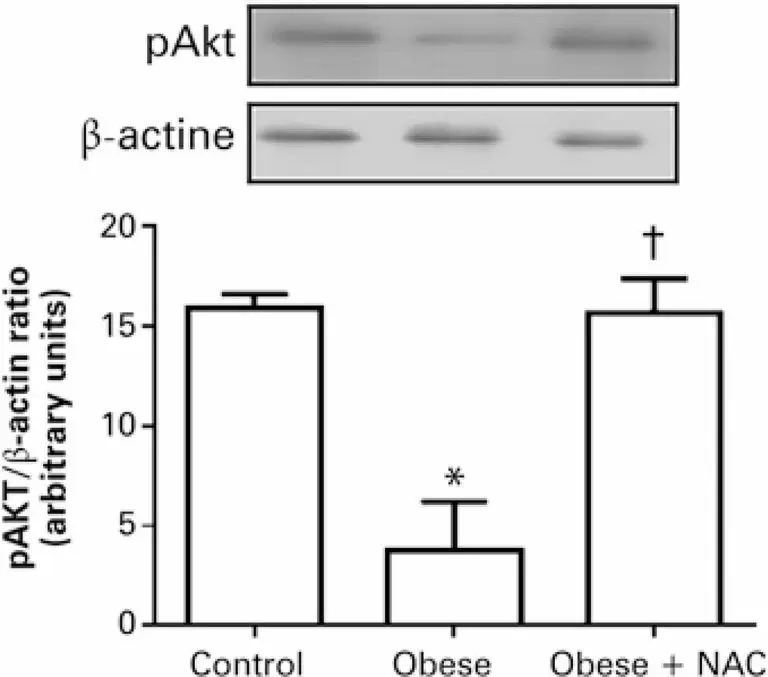
Reduction of oxidative stress improves insulin signaling in cardiac tissue of obese mice
DOI: 10.31744/einstein_journal/2020AO5022
ABSTRACT Objective To evaluate the effects of oxidative stress on insulin signaling in cardiac tissue of obese mice. Methods Thirty Swiss mice were equally divided (n=10) into three groups: Control Group, Obese Group, and Obese Group Treated with N-acetylcysteine. After obesity and insulin resistance were established, the obese mice were treated with N-acetylcysteine at a dose of 50mg/kg daily for 15 days via oral gavage. Results Higher blood glucose levels and nitrite and carbonyl contents, and lower protein levels of […]
Keywords: Insulin resistance; Mice; Myocardium; Obesity; Oxidative stress
09/Dec/2019
Correlation between nutritional assessment and oxidative stress in candidates for liver transplant
einstein (São Paulo). 09/Dec/2019;18:eAO4039.
View Article09/Dec/2019
Correlation between nutritional assessment and oxidative stress in candidates for liver transplant
DOI: 10.31744/einstein_journal/2020AO4039
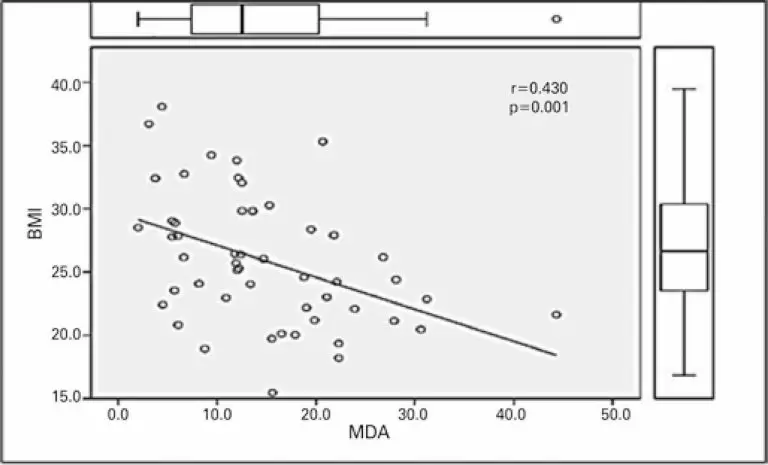
ABSTRACT Objective To evaluate the oxidative profile, nutritional status and food intake (caloric value; macronutrients; vitamins A, E and C; and zinc), and to correlate oxidative stress with nutritional status in patients who were candidates for liver transplant. Methods This is a cross-sectional, analytical, and descriptive study with 51 candidates for liver transplant. Sociodemographic and clinical data, anthropometric parameters, food consumption, and a 10mL blood sample were collected from each patient. Oxidative stress was analyzed by the thiobarbituric acid method. […]
Keywords: Antioxidants; Eating; Liver cirrhosis; Nutrition assessment; Oxidative stress
24/Jul/2018
Human papillomavirus infection and cervical cancer precursor lesions in women living by Amazon rivers: investigation of relations with markers of oxidative stress
einstein (São Paulo). 24/Jul/2018;16(3):eAO4190.
View Article24/Jul/2018
Human papillomavirus infection and cervical cancer precursor lesions in women living by Amazon rivers: investigation of relations with markers of oxidative stress
DOI: 10.1590/S1679-45082018AO4190
ABSTRACT Objective To investigate the relation between oxidative stress markers, human papillomavirus infection and cervical cancer precursor lesions. Methods The study comprised women aged 14 to 60 years living in communities located by Amazon rivers in the state of Pará (Itaituba, Limoeiro do Ajuru and Bragança, 126, 68 and 43 women respectively). Papanicolau smears and polymerase chain reaction tests for human papillomavirus DNA detection were performed. Blood samples were collected to test malondialdehyde, total and oxidized glutathione levels. Results Malondialdehyde, […]
Keywords: Brazil; Oxidants; Oxidative stress; Papillomaviridae; Uterine cervical neoplasms; Women
05/Jun/2018
Assessment of oxidative stress in saliva of children with dental erosion
DOI: 10.1590/S1679-45082018AO4203
ABSTRACT Objective To evaluate oxidative stress in saliva of children with dental erosion as compared to children with no erosion. Methods One single examiner, trained and prepared to make diagnosis of dental erosion according to the Basic Erosive Wear Examination index, selected 40 children aged 4 to 6 years, who attended a pediatric dentistry prevention clinic. Two groups were formed – one comprising children with dental erosion (n=22), and another with no dental erosion (n=18). The quantity of dental biofilm […]
Keywords: Oxidative stress; Pediatric dentistry; Saliva; Tooth erosion
01/Jan/2015
Superoxide overproduction and kidney fibrosis: a new animal model
DOI: 10.1590/S1679-45082015AO3179
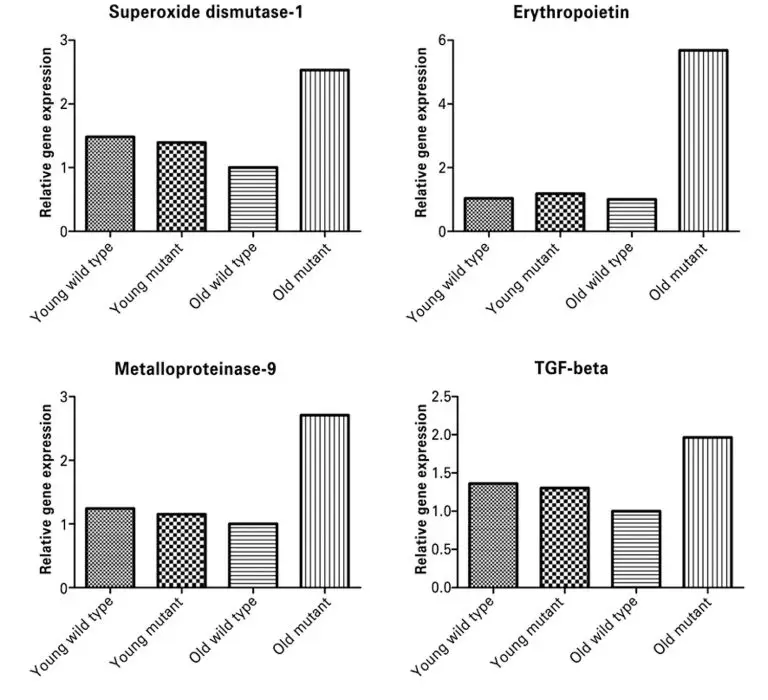
Objective To establish whether the mutation in the Immp2L gene induces renal fibrosis and whether aging exacerbates renal morphology in mice. Methods Female mutant mice with mutation in the inner mitochondrial membrane peptidase 2-like protein at 3 and 18 months of age were used. Renal fibrosis was analyzed using classic fibrosis score, Masson’s trichrome staining, and analysis of profibrotic markers using real time polymerase chain reaction (superoxide dismutase 1, metalloproteinase-9, erythropoietin, transforming growth factor beta), and immunostaining (fibroblasts and Type […]
Keywords: Inflammation; Mice, transgenic; Models, animal; Oxidative stress; Renal insufficiency, chronic
16/Dec/2014
Oxidative stress and plasma lipoproteins in cancer patients
DOI: 10.1590/S1679-45082014RC3110
Objective To evaluate the relation between oxidative stress and lipid profile in patients with different types of cancer. Methods This was an observational cross-sectional. A total of 58 subjects were evaluated, 33 males, divided into two groups of 29 patients each: Group 1, patients with cancer of the digestive tract and accessory organs; Group 2 patients with other types of cancers, all admitted to a public hospital. The plasma levels (lipoproteins and total cholesterol, HDL, and triglycerides, for example) were […]
Keywords: Chronic disease; Lipids; Lipoproteins; Neoplasms; Oxidative stress