17/Mar/2022
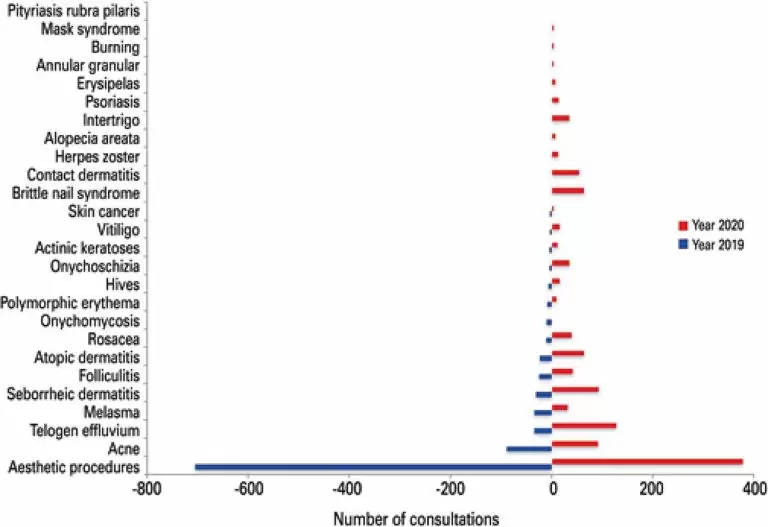
Social isolation: main dermatosis and the impact of stress during the COVID-19 pandemic
DOI: 10.31744/einstein_journal/2022AO6320
ABSTRACT Objective To analyze the pattern of triggering and exacerbation of dermatological diseases between March and July 2020 and to compare this pattern to the corresponding period of 2019. Methods This was a quantitative, descriptive, comparative and documentary study that was carried out through the retrospective analysis of medical records (March to July 2019 and 2020) of individuals assisted at a private dermatology practice service located in the southern area of the city of São Paulo (SP). Results We evaluated […]
Keywords: Coronavirus infections; COVID-19; Pandemics; Skin diseases; Social isolation; Stress, psychological
07/Mar/2022
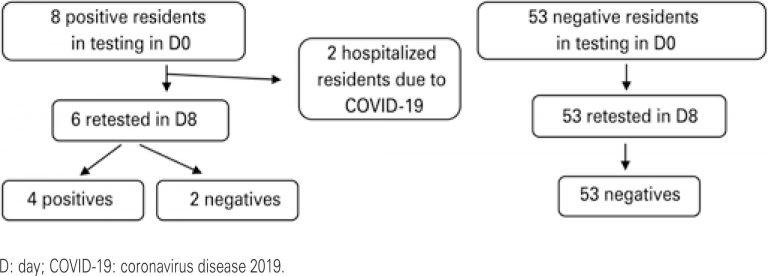
COVID-19 containment management strategies in a nursing home
DOI: 10.31744/einstein_journal/2022AO6175
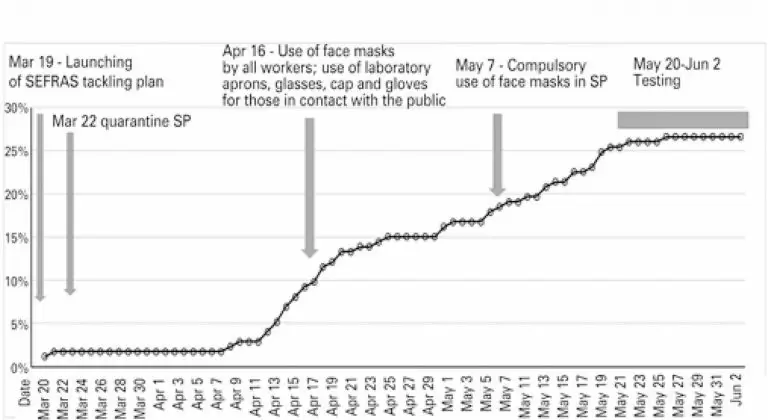
ABSTRACT Objective: To describe the first COVID-19 pandemic at Casa Ondina Lobo, a philanthropic nursing home in São Paulo city, and the containment measures against the pandemic that proved to be effective. Methods: Several preventive measures were taken before and during the pandemic, with emphasis on universal testing by reverse transcription polymerase chain reaction for COVID-19. All residents and employees were tested twice in a D9 period. Results: Among the 62 residents and 55 employees, in both testing, eight residents […]
Keywords: Carrier state; Communicable disease control; Coronavirus infections; COVID-19; Homes for the aged; Infection control; Nursing homes; Polymerase chain reaction; SARS-CoV-2
07/Mar/2022
COVID-19 pandemic: multilevel dental technical guidelines based on new scientific evidence
DOI: 10.31744/einstein_journal/2022AE6307
ABSTRACT The COVID-19 pandemic imposed restrictive measures on dentistry in different regions of the world, ranging from stoppage of care to only permission for urgent and emergency dental services. Thus, new biosafety guidelines for resuming activities, whether in single dental offices, large clinics or dental education activities, are urgently required. In this sense, herein, guidelines that incorporate common points of the main protocols found in the literature for the resumption of dental activities at their different levels, whether in the […]
Keywords: Betacoronavirus; Containment of biohazards; Coronavirus infections; COVID-19; Dental care; Dentistry; Guideline; Pandemics; Personal protective equipment; SARS-CoV-2; Telescreening, medical
04/Mar/2022
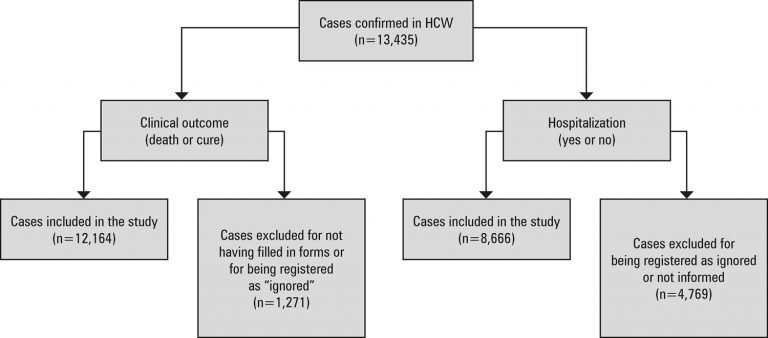
COVID-19 in healthcare workers in the state of Espírito Santo, Brazil: clinical and sociodemographic characteristics associated with death and hospitalization
DOI: 10.31744/einstein_journal/2022AO6241
ABSTRACT Objective To analyze clinical and sociodemographic characteristics associated with death and hospitalization of healthcare workers due to COVID-19, in addition to calculating the incidence rates per profession. Methods A cross-sectional observational study using secondary open data from the State Health Department of Espírito Santo (ES), Brazil. The cases of COVID-19 in healthcare workers were recorded between February 27 and August 17, 2020, in Espírito Santo, excluding cases with missing information. Results Of the confirmed cases, 75.6% (n=9,191) were female. […]
Keywords: Brazil; Coronavirus infections; COVID-19; Epidemiology; Health personnel; Occupational Health; SARS-CoV-2
04/Mar/2022
COVID-19 among workers assisting homeless and socially vulnerable people
DOI: 10.31744/einstein_journal/2022AO6237
ABSTRACT Objective To describe the profile of professionals assisting homeless and socially vulnerable populations tested for COVID-19, and to determine potential associations with exposure at the workplace, on the way to work, or at home, among infected professionals. To describe disease symptoms and progression and to investigate potential associations with age, sex and exposure at the workplace, on the way to work, or at home. Methods A retrospective analysis of data of 173 workers employed by Serviço Franciscano de Solidariedade […]
Keywords: Communicable diseases; Coronavirus infections; COVID-19; Health care (Public health; Homeless persons; Infectious disease transmission, patient-to-professional; Occupational Health; Occupational Risks; SARS-CoV-2; Vulnerable populations
03/Feb/2022
Acute pancreatitis and COVID-19: a new target for infection?
DOI: 10.31744/einstein_journal/2022RW6667
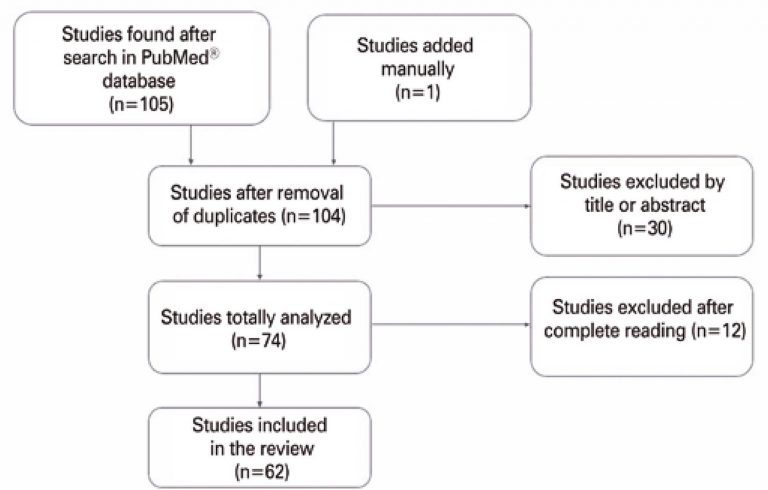
ABSTRACT This review aimed to investigate whether SARS-CoV-2 is capable of infecting the gland and causing acute pancreatitis, and the peculiarities in the management of these cases. The research was conducted through PubMed® database, and 62 articles were systematically selected for analysis. Differences were found in the literature; however, there are important warnings, such as the presence of hyperlipasemia, clinical and imaging findings suggestive of acute pancreatitis in the presence and even in the absence of respiratory symptoms. Attention should […]
Keywords: Betacoronavirus; Coronavirus infections; COVID-19; Pancreatitis; SARS-CoV-2
02/Feb/2022
The use of convalescent plasma therapy in the management of a pregnant woman with COVID-19: a case report
DOI: 10.31744/einstein_journal/2022RC6550
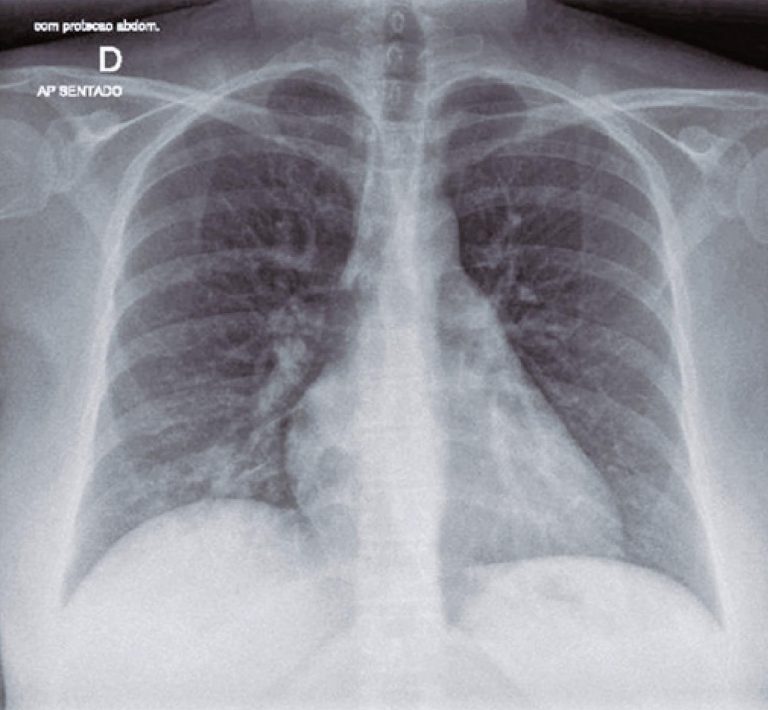
ABSTRACT The coronavirus disease 19 (COVID-19) is responsible for the current worldwide pandemic. Treatment and prophylaxis are still under investigation. Convalescent plasma therapy could be an alternative. We report a case of a 41-year-old patient, at 28 weeks of gestation, was hospitalized with COVID-19. On the 10th day after onset of symptoms, the clinical picture worsened, and she required high-flow oxygen therapy (30L/minute), with 92% oxygen saturation, and chest X-ray showing mild bilateral opacities at lung bases. Blood tests showed […]
Keywords: Antibodies, neutralizing; Convalescent plasma; Coronavirus infections; COVID-19; Plasma; Pregnancy; Pregnancy complications, infectious
27/Jan/2022
COVID-19 related acute genital ulcer: a case report
DOI: 10.31744/einstein_journal/2022RC6541
ABSTRACT Acute vulvar ulcer (Lipschütz’s ulcer) is a rare lesion with local hyperimmunoreactivity triggered by infection, which is characterized by acute, painful, and necrotic ulcerations. This condition is usually found in non-sexually active adolescents, and it resolves spontaneously. We report a case of a 35-year-old woman who was diagnosed with COVID-19 who did not have severe symptoms, but had high levels of D-dimer for 9 days. The COVID-19 diagnosis was followed by the appearance of an acute, necrotic, extremely painful […]
Keywords: Coronavirus infections; COVID-19; Lipschütz’s ulcer; Vulvar diseases
25/Nov/2021
Long term persistence of coronavirus SARS-CoV-2 infection
DOI: 10.31744/einstein_journal/2021RC6369
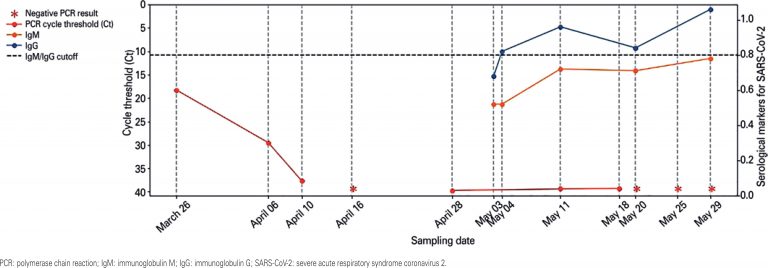
ABSTRACT During the COVID-19 pandemic, a case of a long-term persistence of SARS-CoV-2 infection (from March 26 to May 20, 2020) was identified at a private hospital in São Paulo, SP, Brazil. The long-term positivity for SARS-CoV-2 in reverse transcriptase polymerase chain reaction tests of a patient diagnosed with COVID-19 suggests, at least part of patients who recovered, may still carry and transmit the SARS-CoV-2 virus. This fact emphasizes the importance of having at least two negative reverse transcriptase polymerase […]
Keywords: COVID-19; Infecções Coronavírus
Clinical characteristics and outcomes of COVID-19 patients admitted to the intensive care unit during the first year of the pandemic in Brazil: a single center retrospective cohort study
22/Nov/2021
Clinical characteristics and outcomes of COVID-19 patients admitted to the intensive care unit during the first year of the pandemic in Brazil: a single center retrospective cohort study
einstein (São Paulo). 22/Nov/2021;19:eAO6739.
View Article22/Nov/2021
Clinical characteristics and outcomes of COVID-19 patients admitted to the intensive care unit during the first year of the pandemic in Brazil: a single center retrospective cohort study
DOI: 10.31744/einstein_journal/2021AO6739
ABSTRACT Objective: To describe clinical characteristics, resource use, outcomes, and to identify predictors of in-hospital mortality of patients with COVID-19 admitted to the intensive care unit. Methods: Retrospective single-center cohort study conducted at a private hospital in São Paulo (SP), Brazil. All consecutive adult (≥18 years) patients admitted to the intensive care unit, between March 4, 2020 and February 28, 2021 were included in this study. Patients were categorized between survivors and non-survivors according to hospital discharge. Results: During the […]
Keywords: Betacoronavirus; Coronavirus; Coronavirus infections; COVID-19; Critical care outcomes; Extracorporeal membrane oxygenation; Intensive care units; Mortality; Noninvasive ventilation; Respiration artificial; SARS-CoV-2