07/Mar/2022
COVID-19 containment management strategies in a nursing home
DOI: 10.31744/einstein_journal/2022AO6175
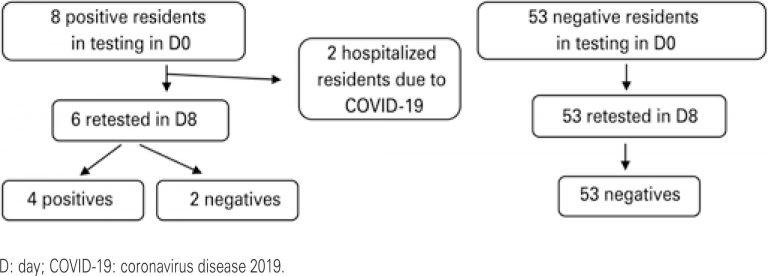
ABSTRACT Objective: To describe the first COVID-19 pandemic at Casa Ondina Lobo, a philanthropic nursing home in São Paulo city, and the containment measures against the pandemic that proved to be effective. Methods: Several preventive measures were taken before and during the pandemic, with emphasis on universal testing by reverse transcription polymerase chain reaction for COVID-19. All residents and employees were tested twice in a D9 period. Results: Among the 62 residents and 55 employees, in both testing, eight residents […]
Keywords: Carrier state; Communicable disease control; Coronavirus infections; COVID-19; Homes for the aged; Infection control; Nursing homes; Polymerase chain reaction; SARS-CoV-2
30/Oct/2020
Relationships between nursing diagnoses and the level of dependence in activities of daily living of elderly residents
DOI: 10.31744/einstein_journal/2020AO5445
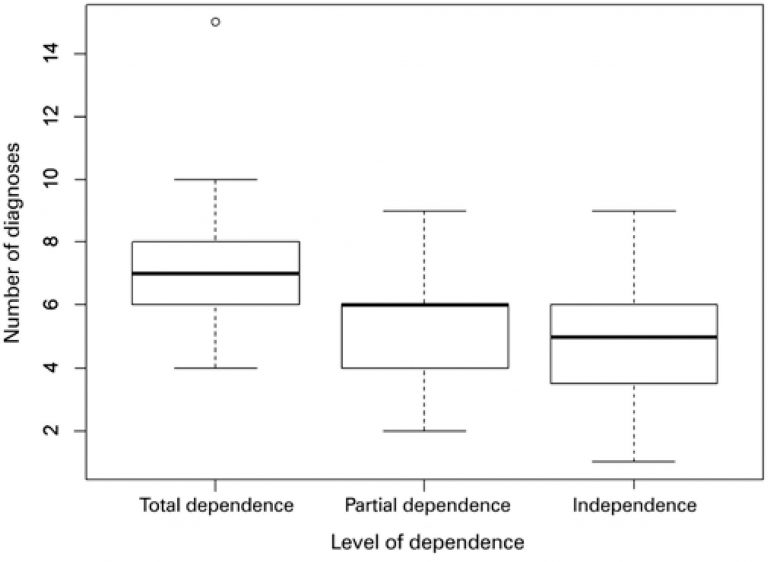
ABSTRACT Objective: To identify and validate nursing diagnoses of elderly residents, and determine their relationship with the level of dependence in activities of daily living. Methods: One hundred thirty-five older adults were assessed using medical history and physical examination. Twelve validated gerontological instruments were administered to assess delirium, nutritional status, risk for falls, risk for pressure injury, dementia, cognitive losses, depression, and level of dependence in daily living and instrumental activities of daily living. Nursing diagnoses were identified and validated […]
Keywords: Aged; Geriatric nursing; Homes for the aged; Nursing diagnosis; Nursing processes
29/Oct/2012
Dementia Rating Scale psychometric study and its applicability in long term care institutions in Brazil
DOI: 10.1590/S1679-45082012000300011
OBJECTIVE: To evaluate the diagnostic sensitivity, specificity, and agreement of the Dementia Rating Scale with clinical diagnosis of cognitive impairment and to compare its psychometric measures with those from Mini Mental State Examination. METHODS: Eighty-six elders from a long-term care institution were invited to participate in a study, and fifty-eight agreed to participate. The global health assessment protocol applied to these elders contained Mini Mental State Examination and Dementia Rating Scale. Clinical diagnose of cognitive impairment was performed by experts […]
Keywords: Aged; Cognition; Delirium, dementia, amnestic, cognitive disorders; Homes for the aged; Neuropsychological tests; Scales; Sensitivity and specificity
01/Jan/2011
Aquatic physical therapy as a treatment modality in healthcare for non-institutionalized elderly persons: a systematic review
DOI: 10.1590/S1679-45082011RW1695
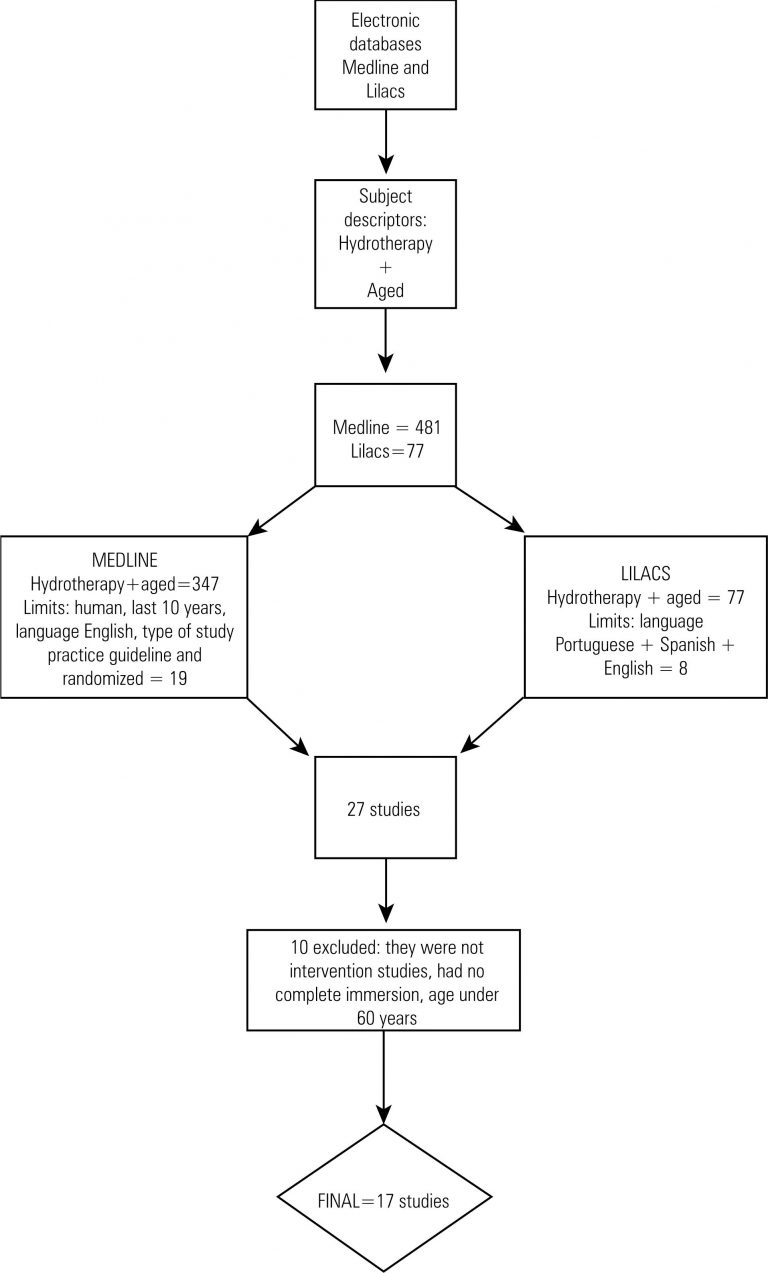
ABSTRACT Objective: To review scientific literature pertaining to aquatic physical therapy in the elderly and institutionalized population. Methods: A qualitative systematic review of electronic databases MEDLINE and LILACS, with the topic index terms: “hydrotherapy,” “homes for the aged or residential facilities,” and “aged. In light of the lack of studies carried out on the institutionalized population, we opted for reviewing literature on the effectiveness of this modality of physical therapy treatment on the non-institutionalized elderly population in order to produce […]
Keywords: Homes for the aged; Hydrotherapy; Treatment outcome
01/Oct/2010
An outbreak of norovirus infection in a long-term care facility in Brazil
DOI: 10.1590/S1679-45082010AO1779
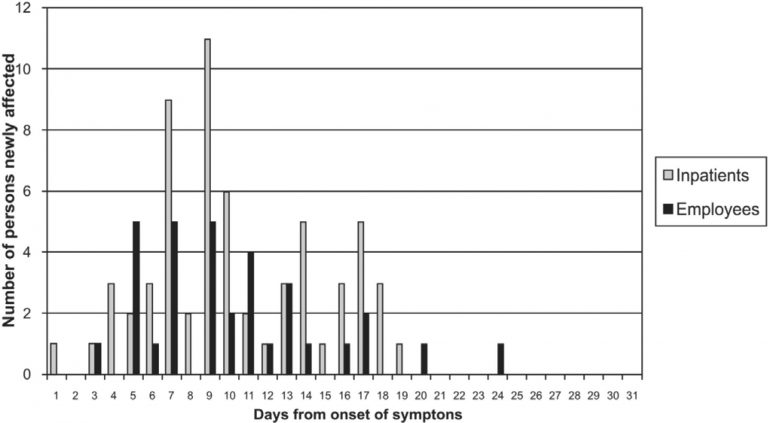
ABSTRACT Objective: To describe a norovirus outbreak in a Brazilian long-term care facility from July 8 to 29, 2005. Methods: In the first 48 to 72 hours after onset of symptoms in inpatients and employees, the main infection control strategies were staff education, emphasis on hand washing, implementing contact precautions up to 48-72 hours after resolution of symptoms, complete cleaning of the rooms and exclusion of symptomatic employees from work until 48-72 hours after resolution of their symptoms. Epidemiological and […]
Keywords: Aged; Disease outbreaks; Homes for the aged; Norovirus; Surveillance