28/Jan/2019
Association between respiratory capacity, quality of life and cognitive function in elderly individuals
DOI: 10.31744/einstein_journal/2019AO4337
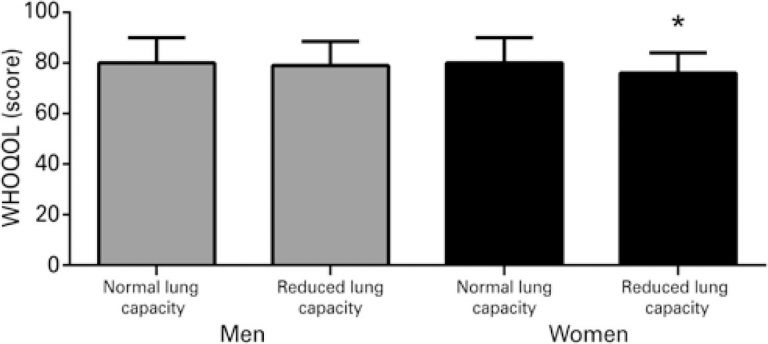
ABSTRACT Objective To investigate associations between respiratory capacity, quality of life and cognitive function in elderly individuals. Methods The sample included 386 elderly individuals (232 women). Respiratory capacity assessment was based on maximal expiratory pressure measured at peak expiratory flow. Subjects were classified according to peak expiratory flow values adjusted for sex, age and height of individuals with normal (peak expiratory flow curve 60%) or reduced (peak expiratory flow curve < 60%) respiratory capacity. The World Health Organization Quality of [...]
Keywords: Aged; Cognition; Maximal voluntary ventilation; Quality of life
28/Jan/2019
Streptococcus mutans detection in saliva and colostrum samples
DOI: 10.31744/einstein_journal/2019AO4515
ABSTRACT Objective To detect Streptococcus mutans in colostrum and saliva of neonates and compare with its detection in saliva of mothers. Methods Forty-three healthy women, full-term gestations with no complications, submitted to elective Cesarean section, and their newborns were included in the study. Samples were investigated by polymerase chain reaction to detect S. mutans in genetic material from the samples. Results Approximately 16% of colostrum samples showed S. mutans , but not correlated with the presence of the bacteria in […]
Keywords: Colostrum; Saliva; Streptococcus mutans
17/Jan/2019
Hormone receptor-negative as a predictive factor for pathologic complete response to neoadjuvant therapy in breast cancer
einstein (São Paulo). 17/Jan/2019;17(1):eAO3434.
View Article17/Jan/2019
Hormone receptor-negative as a predictive factor for pathologic complete response to neoadjuvant therapy in breast cancer
DOI: 10.31744/einstein_journal/2019AO3434
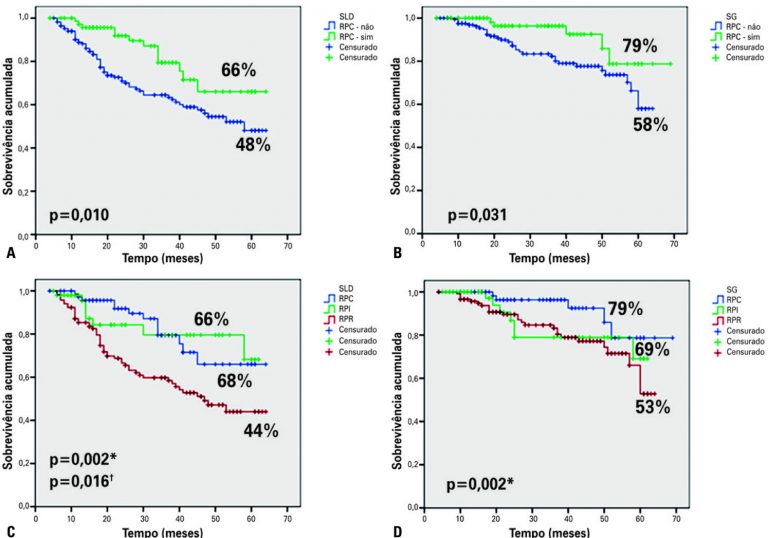
ABSTRACT Objective To define a predictive factor for pathologic complete response, compare the oncologic outcomes associated with the degree of pathologic response after neoadjuvant chemotherapy, and to analyze pathologic complete response as a prognostic factor for overall survival and progression-free survival. Methods A retrospective study of patients admitted to Hospital Estadual Mário Covas and Hospital Anchieta from 2008 to 2012, with locally advanced breast cancer. Hormone receptor status, HER2 status, histologic and nuclear grade, age upon diagnosis and histological type […]
Keywords: Breast neoplasms/pathology; Neoadjuvant therapy; Predictive value of tests; Prognosis; Survivorship (Public Health)
17/Jan/2019
Prevalence of G6PD deficiency and molecular characterization of G202A, A376G and C563T polymorphisms in newborns in Southeastern Brazil
einstein (São Paulo). 17/Jan/2019;17(1):eAO4436.
View Article17/Jan/2019
Prevalence of G6PD deficiency and molecular characterization of G202A, A376G and C563T polymorphisms in newborns in Southeastern Brazil
DOI: 10.31744/einstein_journal/2019AO4436
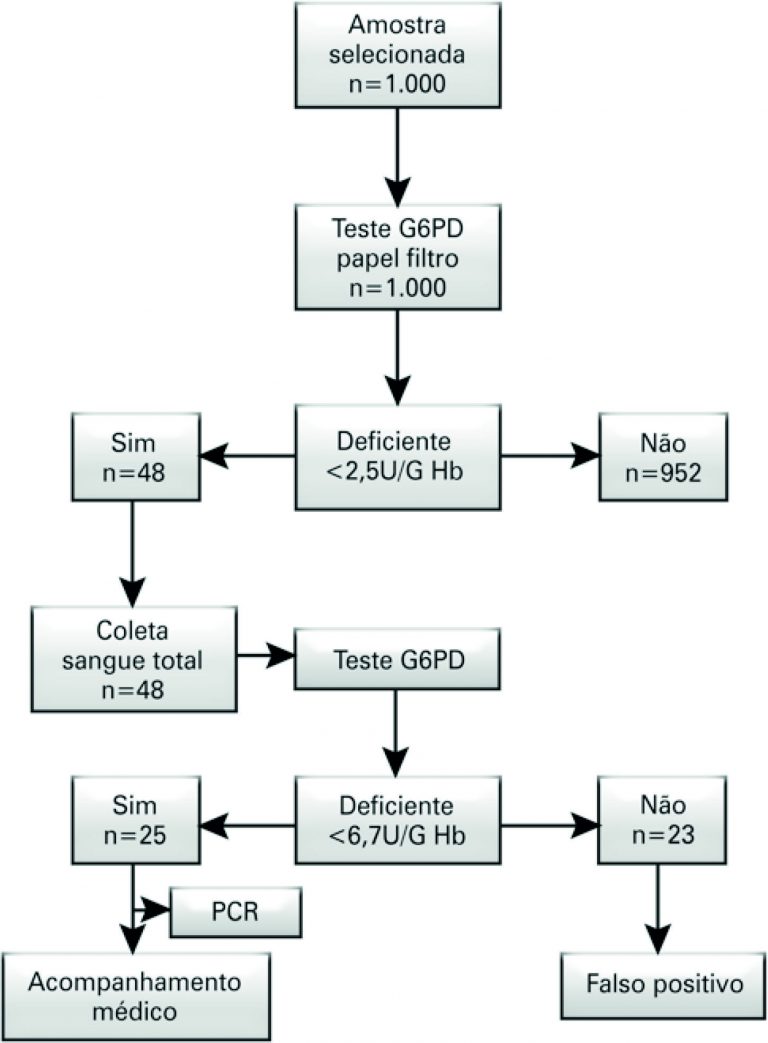
ABSTRACT Objective To evaluate the prevalence of G6PD deficiency and characterize G202A, A376G and C563T polymorphisms in neonates using molecular assays. Methods A total of one thousand samples were tested through quantitative analysis of enzyme activity, detecting 25 G6PD-deficient individuals. Patients identified as deficient were submitted to molecular analysis quantitative real-time polymerase chain reaction – (qPCR) to investigate the presence of variants associated with the deficiency. Results The total prevalence of G6PD deficient was 2.5%. Of the 25 samples identified […]
Keywords: Glucosephosphate dehydrogenase deficiency; Infant, Newborn; Polymorphism, genetic
28/Dec/2018
Influence of parental smoking on the use of alcohol and illicit drugs among adolescents
einstein (São Paulo). 28/Dec/2018;17(1):eAO4377.
View Article28/Dec/2018
Influence of parental smoking on the use of alcohol and illicit drugs among adolescents
DOI: 10.31744/einstein_journal/2019AO4377
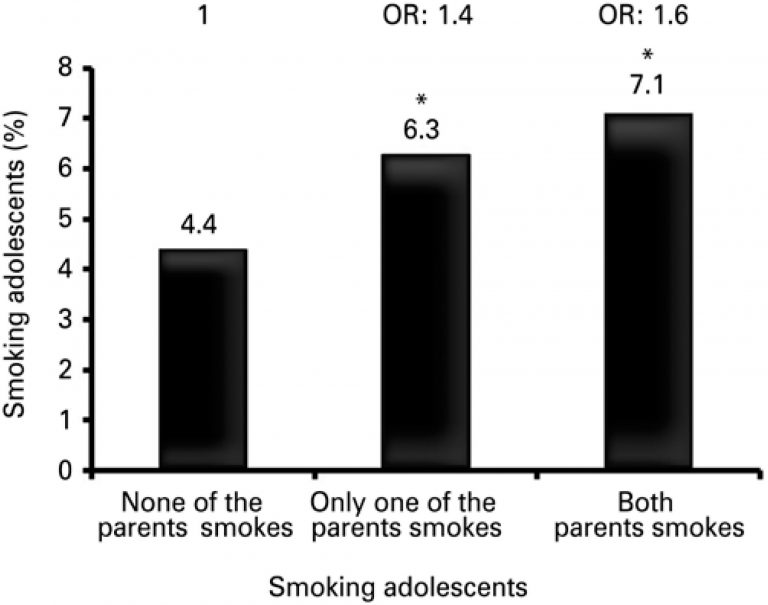
ABSTRACT Objective: To evaluate the association between parental smoking and the use of alcohol and illicit drugs among adolescent children. Methods: A cross-sectional study with 6,264 adolescents (59.7% female) aged between 14 and 19 years. To establish the sample, we used two-stage cluster random sampling. The data on parental smoking and use of cigarettes, alcohol and illicit drugs among adolescents were collected using a questionnaire. Results: Smoking adolescents were more prone to use alcohol (odds ratio − OR: 10.35; 95%CI: […]
Keywords: Adolescent; Parenting; Parents; Public health; Street Drugs; Tobacco use disorder
28/Dec/2018
Comparison of the neutrophil-to-lymphocyte and platelet-to-lymphocyte ratios in normoglycemic and hyperglycemic subjects
DOI: 10.31744/einstein_journal/2019AO4403
ABSTRACT Objective: To compare the neutrophil-to-lymphocyte and platelet-to-lymphocyte ratios as possible parameters of systemic inflammation in hyperglycemic and normoglycemic subjects. Methods: A retrospective, cross-sectional study of data collected from patients tested for fasting blood glucose, glycated hemoglobin (HbA1c) and blood count on the same day, between July and December 2016. Patients were divided into hyperglycemic and normoglycemic, and matched by age and sex. The data were analyzed using Epi Info™, version 7.2.1.0, for the Windows® platform. Results: We enrolled 278 […]
Keywords: Blood platelets; Glycated hemoglobin A; Inflammation; Lymphocytes; Neutrophils; Type 2 diabetes mellitus
28/Dec/2018
Effects of overnight fasting on handgrip strength in inpatients
DOI: 10.31744/einstein_journal/2019AO4418
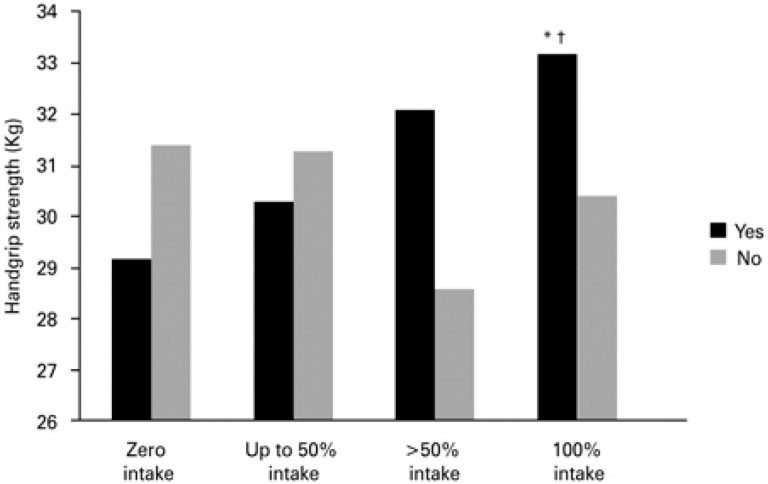
ABSTRACT Objective: To investigate the effects of overnight fasting on handgrip strength of adult inpatients. Methods: A prospective clinical study enrolling 221 adult patients. The endpoints were handgrip strength obtained by dynamometry in three time points (morning after an overnight fasting, after breakfast and after lunch) and the cumulative handgrip strength (mean of handgrip strength after breakfast and lunch) in the same day. The mean of three handgrip strength measures was considered to represent each time point. A cut-off for […]
Keywords: Diet; Fasting; Malnutrition; Muscle strength; Nutritional status
11/Dec/2018
When color helps
DOI: 10.31744/einstein_journal/2019AO4410
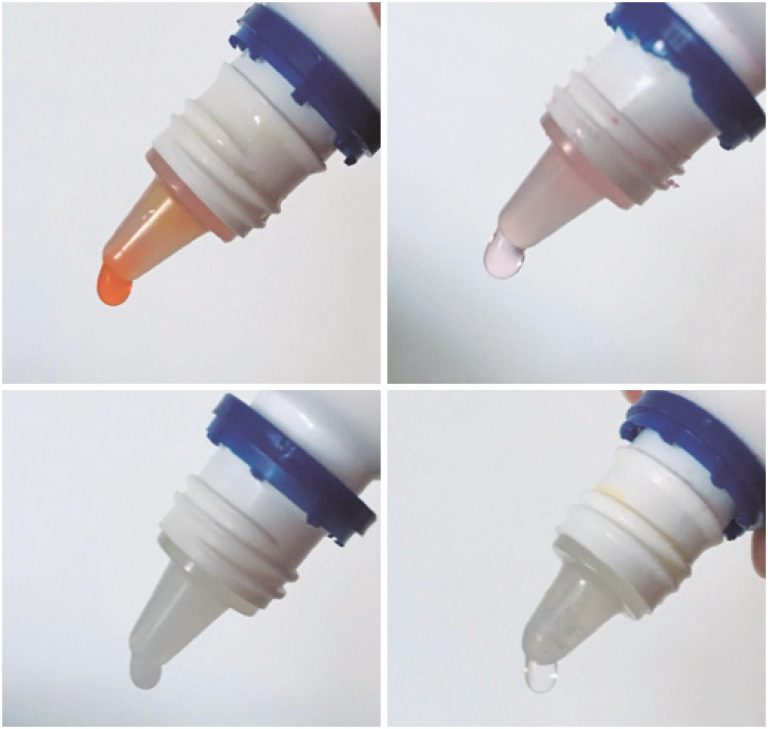
ABSTRACT Objective: To reduce the inappropriate identification of eye drops, through the use of different colors. Methods: A group of 34 healthy volunteers was presented to two groups of four eye drops each. All eye drops were placed in identical, unlabelled vials. In one group, all four eye drops were transparent. In the other group, each had a different color. A number was assigned to each eye drop, and the volunteer was asked to identify it by color. We measured […]
Keywords: Color; Consumer behavior; Drug labeling/methods; Drug packaging/methods; Ophthalmic solutions; Patient safety
21/Nov/2018
Percutaneous laser ablation of benign thyroid nodules: a one year follow-up study
DOI: 10.31744/einstein_journal/2018AO4279
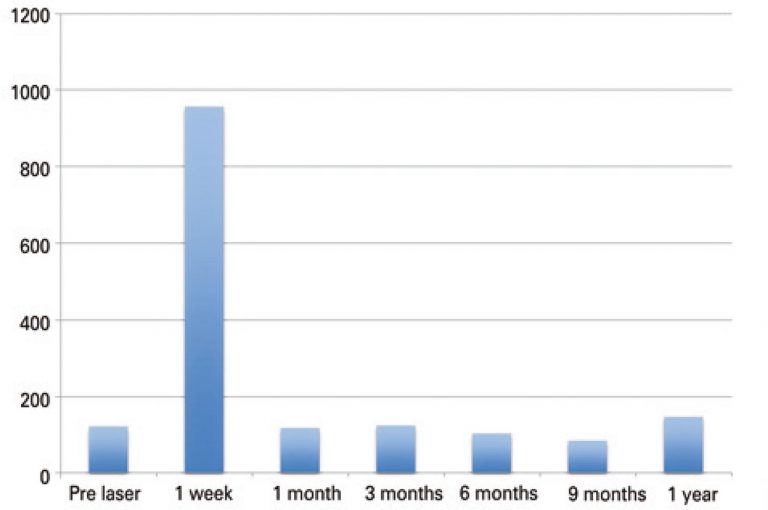
ABSTRACT Objective To evaluate safety and effectiveness of nodule volume reduction and thyroid function after percutaneous laser ablation treatment in patients with benign nonfunctioning thyroid nodules. Methods Prospective single-center study, from January 2011 to October 2012, which evaluated 30 euthyroid and thyroid antibodies negative patients with benign solitary or dominant nodule with indication of treatment due to compressive symptoms and aesthetic disturbances. The clinical and laboratory (thyroid ultrasound, TSH, FT4, TG, TG-Ab, TPO-Ab and TRAb levels) evaluations were performed before […]
Keywords: Ablation technique; Brazil; Lasers; Thyroid nodule
21/Nov/2018
Is quality of life affected by temporomandibular disorders?
DOI: 10.31744/einstein_journal/2018AO4339
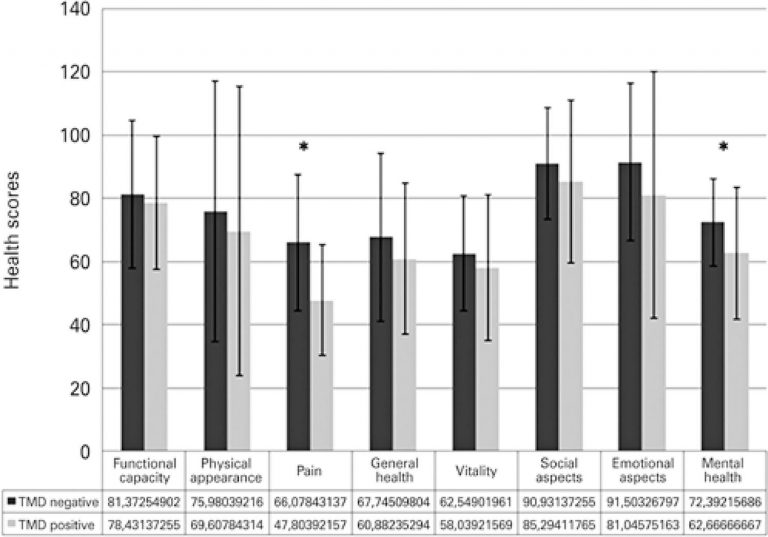
ABSTRACT Objective To determine the impact of temporomandibular disorders in quality of life. Methods A total of 102 volunteer patients (68 female) aged 19 to 86 years, who sought medical care in health clinics of the university and were evaluated in the period from September to December 2013. The subjects were examined according to the Research Diagnostic Criteria for Temporomandibular Disorders, using a mechanical algometer (Palpeter®) with standardized pressure of 0.5 and 1.0kg, and Medical Outcomes Study 36-Item Short Form […]
Keywords: Diagnosis; Facial pain; Quality of life; Temporomandibular joint; Temporomandibular joint disorders