5 results
09/Jun/2026
DOI: 10.31744/einstein_journal/2026RW1998
ABSTRACT This essay examines human enhancement drugs – particularly anabolic-androgenic steroids – through the lens of public health theory from the Global South. It critiques prohibitionist policies, which criminalize users while disregarding social determinants, as well as extreme relativism, which reduces consumption to individual autonomy alone. In contrast, harm reduction emerges as an evidence-based, user-centered approach that rejects criminalization, upholds human rights, and provides contextualized health responses. By reframing anabolic-androgenic steroids as human enhancement drugs, the analysis promotes a less […]
Keywords: Anabolic androgenic steroids; Harm reduction; Lifestyle; Patient-centered care; Public health
17/Feb/2025
DOI: 10.31744/einstein_journal/2025AO1213
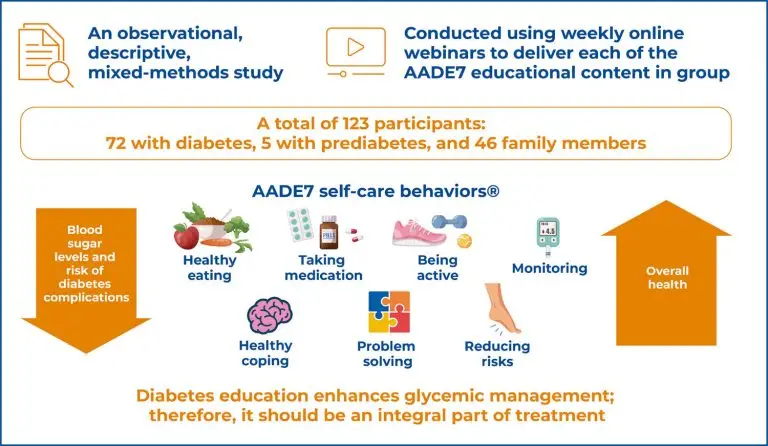
Highlights ■ Diabetes education is the central pillar of treatment, and the AADE7 offers a 360-degree view of care. ■ Only 18.9% of participants had previously engaged in diabetes-related educational programs. ■ Recognizing signs of hypo and hyperglycemia and responding appropriately is crucial to avoiding complications. ■ Diabetes and sugar consumption remain taboo for many, including healthcare professionals. ABSTRACT Objective: We aimed to implement a comprehensive and accessible diabetes education program for patients and their families based on the AADE7 […]
Keywords: Blood glucose; Diabetes; Family support; Insulin, regular, human; Patient education; Patient-centered care; Self care; Self management
07/Mar/2022
DOI: 10.31744/einstein_journal/2022AO6258
ABSTRACT Objective: To identify the need of family members of patients hospitalized in a coronary intensive care unit and their degree of satisfaction with the care provided. Methods: An observational and cross-sectional study including family members of patients hospitalized in the coronary intensive care unit for acute coronary syndrome in Killip I or II. After the second visit of the same family member to the patient in the unit, a 43-item inventory of needs and stressors of family members was […]
Keywords: Acute coronary syndrome; Critical care; Family; Humanization of assistance; Inpatients; Intensive care units; Nursing; Patient-centered care
01/Apr/2010
DOI: 10.1590/S1679-45082010AO1354
ABSTRACT Objectives: To identify the administrative and nursing care activities most performed by nurses in clinical/surgical units and to determine which are most and least pleasant to them. Methods: A descriptive-exploratory field study, with a quantitative approach and with a sample made up of 40 nurses working in clinical/surgical units who answered a three-part questionnaire composed of identification data and characterization of the professional; a list of nursing and administrative activities for the nurse to grade according to the numbers: […]
Keywords: Hospital care; Nurse's role; Nursing service, hospital/organization & administration; Patient-centered care; Perioperative Nursing
01/Apr/2010
DOI: 10.1590/S1679-45082010AO1369
ABSTRACT Objective: To identify the concept of humanization and raise aspects that contribute towards and that hinder humanization of hospital care, according to the opinion of oncology patients. Methods: This is a descriptive-exploratory survey, with a qualitative-quantitative approach. The sample was made up of 10 patients hospitalized for more than 30 days at the Oncology Unit of Hospital Israelita Albert Einstein, who, after satisfying ethical and legal procedures, were interviewed and answered three questions in reference to humanization in oncology. […]
Keywords: Hospital care; Humanization of assistance; Medical oncology; Oncologic nursing; Patient-centered care