27/Apr/2026
Cost-effectiveness of microsurgical reconstructions in reconstructive plastic surgery within the Brazilian Public Health System: a 15-year overview (2009-2023)
einstein (São Paulo). 27/Apr/2026;24:eAO2003.
View Article27/Apr/2026
Cost-effectiveness of microsurgical reconstructions in reconstructive plastic surgery within the Brazilian Public Health System: a 15-year overview (2009-2023)
DOI: 10.31744/einstein_journal/2026AO2003
Highlights ■ 1,902 microsurgical reconstructions performed in the Brazilian Public Health System (2009-2023). ■ Southern and Southeastern regions concentrate >85% of the procedures. ■ Microsurgery is cost-effective despite its greater complexity. ■ Centralization in São Paulo indicates a need for regional expansion. ABSTRACT Objective: To evaluate the national distribution and cost-effectiveness of oncologic microsurgical reconstructions performed within the Brazilian Public Health System over a 14-year period. Methods: A retrospective analysis of DATASUS data was conducted using three procedure codes related […]
Keywords: Cost-effectiveness analysis; Health system; Microsurgery; Oncology; Plastic surgery procedures
17/Apr/2024
Robotic and Plastic Surgery: actuality and prospects for the near future, a scoping review
DOI: 10.31744/einstein_journal/2024RW0710
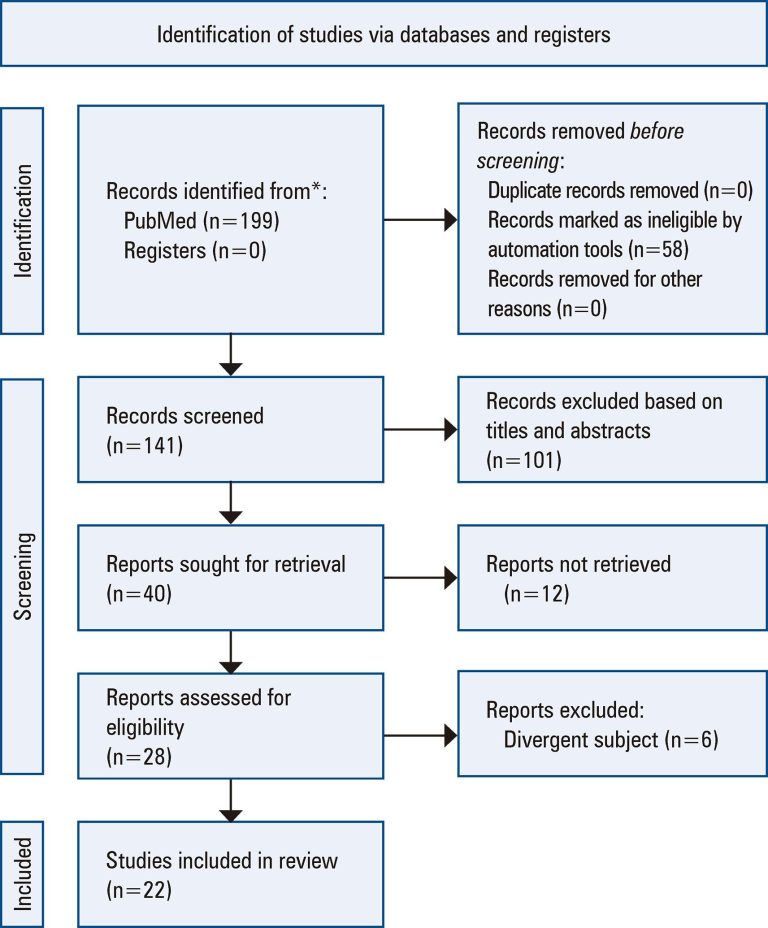
ABSTRACT Objective This work aims to review the existing use of robotics in plastic surgery. Methods A meticulous selection process identified 22 articles relevant to this scoping review. Results The literature on the use of robotics in plastic surgery is sparse. Nonetheless, this review highlights emerging benefits in microsurgery, breast reconstruction, and transoral surgery. Conclusion This scoping review identifies critical articles reporting the emerging use of robotics in plastic surgery. While the scientific medical community has yet to extensively document […]
Keywords: Microsurgery; Minimally invasive surgical procedures; Robotic surgical procedures; Surgery, plastic
02/Feb/2022
Minimally invasive swine spine surgery training: technical aspects, benefits, and anatomical limitations
DOI: 10.31744/einstein_journal/2022AO6318
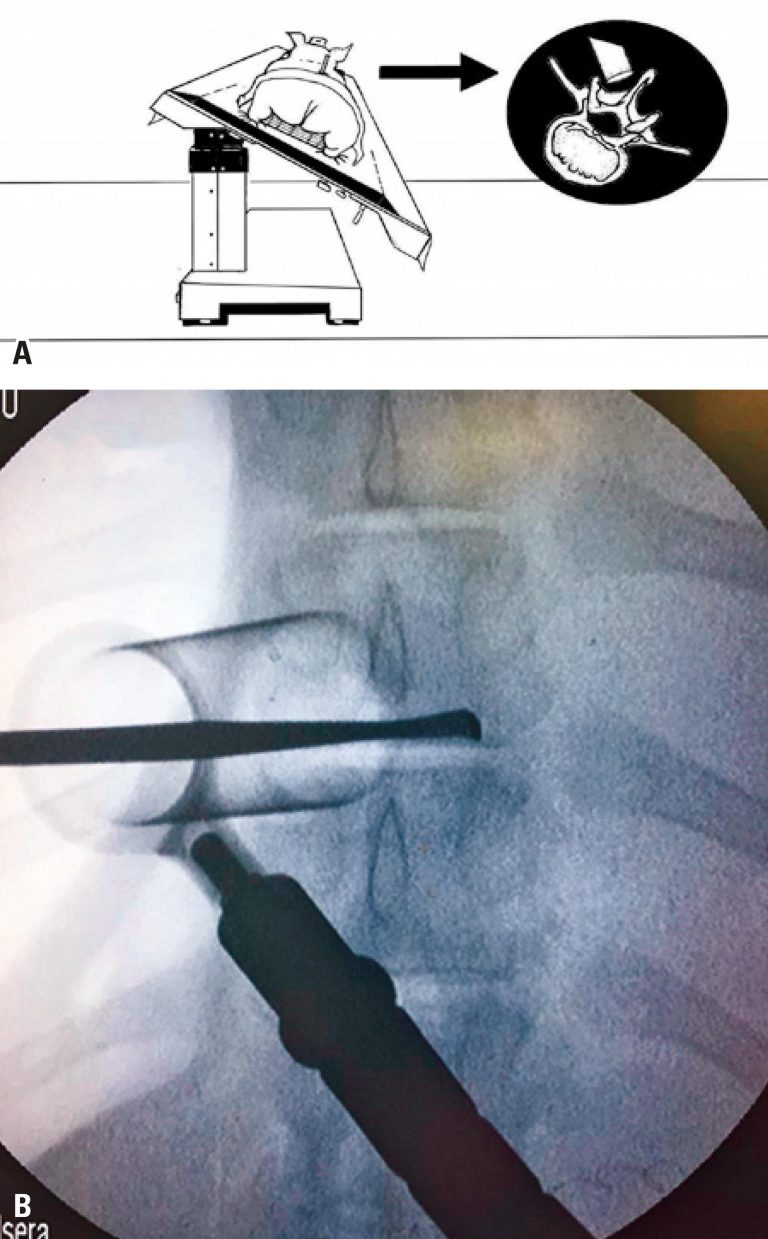
ABSTRACT Objective To describe the technical specificities and feasibility of simulation of minimally invasive spine surgery in live pigs, as well as similarities and differences in comparison to surgery in humans. Methods A total of 22 Large White class swine models, weighing between 60 and 80kg, were submitted to surgical simulations, performed during theoretical-practical courses for training surgical techniques (microsurgical and endoscopic lumbar decompression; percutaneous pedicular instrumentation; lateral access to the thoracic spine, and anterior and retroperitoneal to the lumbar […]
Keywords: Decompression, surgical; Microsurgery; Minimally invasive surgical procedures; Models, animal; Orthopedic procedures; Simulation training; Spine/surgery; Swine