3 results
02/Feb/2026
02/Feb/2026
DOI: 10.31744/einstein_journal/2026AO1720
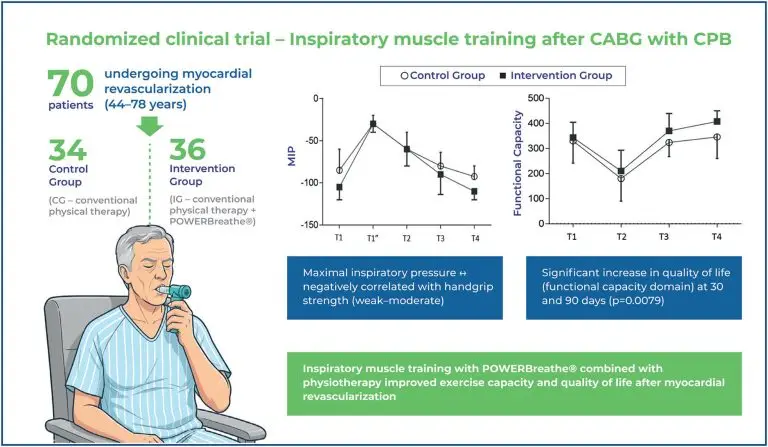
Highlights ■ Cardiovascular diseases reduce exercise tolerance andimpair quality of life. ■ Quality of life monitoring is essential after cardiac surgery. ■ Poor postoperative quality of life predicts worse functionalrecovery. ■ Inspiratory muscle training improves exercise capacity and quality of life. Abstract Objective: To evaluate the effects of inspiratory muscle training using POWERbreathe® in patients undergoing myocardial revascularization with extracorporeal circulation, focusing on respiratory and peripheral muscle strength, exercise capacity, functional independence, and quality of life, from hospitalization to a […]
Keywords: Breathing exercises; Physical therapy modalities; Rehabilitation; Thoracic surgery
02/Jul/2025
02/Jul/2025
DOI: 10.31744/einstein_journal/2025RW1134
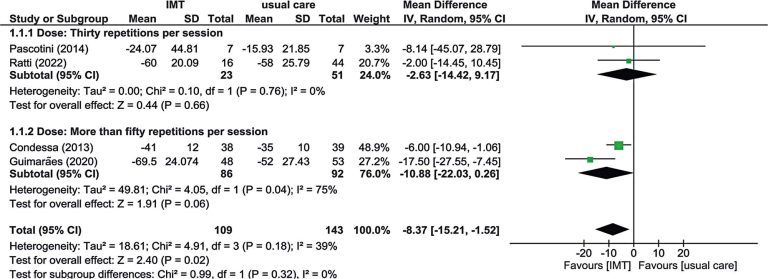
ABSTRACT Objective To systematically review and analyze studies investigating the efficacy and safety of inspiratory muscle training in adult chronic critically ill patients. Methods The MEDLINE, Embase, CENTRAL, LILACS, Clinical Trials Registry, and World Health Organization databases were queried on November 24, 2022 and January 22, 2025. The review was conducted in accordance with the PRISMA guidelines. RevMan V5.4 was used to analyze mean differences or standardized mean differences and 95% confidence intervals (95%CIs) for continuous variables and risk ratios […]
Keywords: Breathing exercises; Chronic disease; Critical illness; Intubation, intratracheal; Muscle strength; Respiration artificial; Respiratory muscles; Tracheostomy
01/Apr/2016
DOI: 10.1590/S1679-45082016AO3398
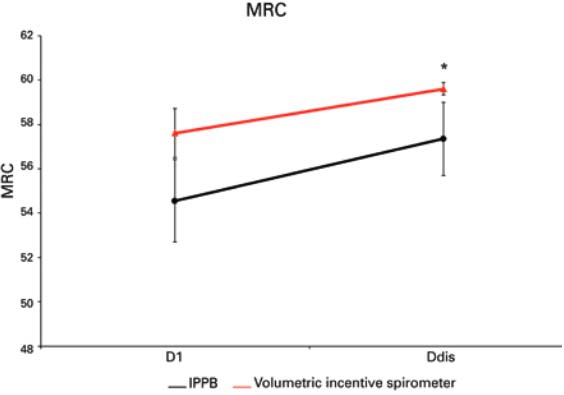
ABSTRACT Objective To evaluate the vital capacity after two chest therapy techniques in patients undergoing abdominal surgical. Methods A prospective randomized study carried out with patients admitted to the Intensive Care Unit after abdominal surgery. We checked vital capacity, muscular strength using the Medical Research Council scale, and functionality with the Functional Independence Measure the first time the patient was breathing spontaneously (D1), and also upon discharge from the Intensive Care Unit (Ddis). Between D1 and Ddis, respiratory therapy was […]
Keywords: Breathing exercises; Respiratory function tests; Respiratory muscles; Vital capacity