einstein (São Paulo). 02/Apr/2026;24:eAO1927.
Childhood vaccination against meningitis C from 2010 to 2024: a descriptive study based on the Department of Informatics of the Brazilian National Health System (DATASUS)

DOI: 10.31744/einstein_journal/2026AO1927
Highlights
■ High vaccine coverage correlated with sharp declines in the incidence of pediatric meningitis C.
■ The incidence fell by 98% by 2021 following national introduction of the MenC vaccine.
■ Vaccine coverage dropped after 2015, aligned with the rising cases observed in 2022.
■ MenC vaccination significantly reduced morbidity and mortality nationwide.
ABSTRACT
Objective:
To analyze the correlation between vaccination coverage against meningitis C and epidemiological indicators of morbidity and mortality associated with the disease in Brazilian pediatric populations aged 3 months to 14 years.
Methods:
This descriptive and exploratory epidemiological study used secondary data from the National Immunization Program Information System (SI-PNI) and Notifiable Diseases Information System (SINAN). The analysis covered the period from 2010 to 2024, and examined the relationship between vaccination coverage and the number of meningitis cases and related deaths. The data included variables such as sex, age group, vaccine dose, incidence, mortality, and geographic distribution. Descriptive statistics, including calculations of proportions and rates, were performed using Microsoft Excel® (2019).
Results:
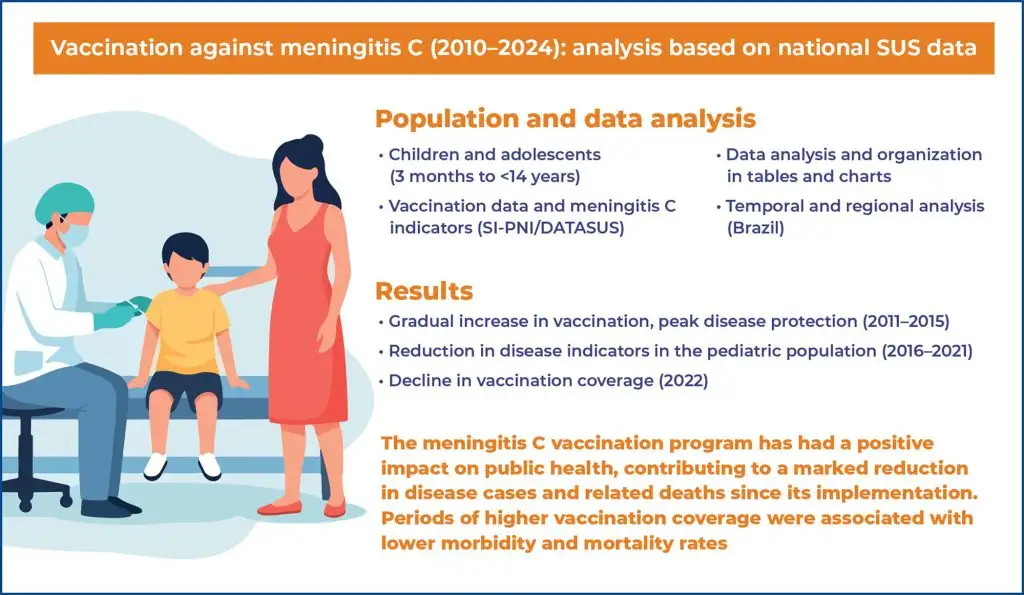
Following the introduction of the meningitis C vaccine in the National Immunization Program in 2010, the incidence of the disease in Brazil decreased significantly. From 2010 to 2015, the number of confirmed cases decreased by approximately 81%, reaching the lowest recorded rate in 2021 (0.02 per 100,000 inhabitants), representing a 98% reduction. However, an increase in the incidence was observed in 2022 (0.05 per 100,000 inhabitants). Although vaccination coverage exceeded 95% in 2011, it has declined in subsequent years.
Conclusion:
The meningitis C vaccination program has had a positive impact on public health, contributing to a marked reduction in disease cases and related deaths since its implementation. Higher vaccination coverage was associated with lower morbidity and mortality rates.
[…]
14