26/Nov/2020
Effect of air pollution on the autonomic modulation of heart rate in overweight adults
DOI: 10.31744/einstein_journal/2020AO5100
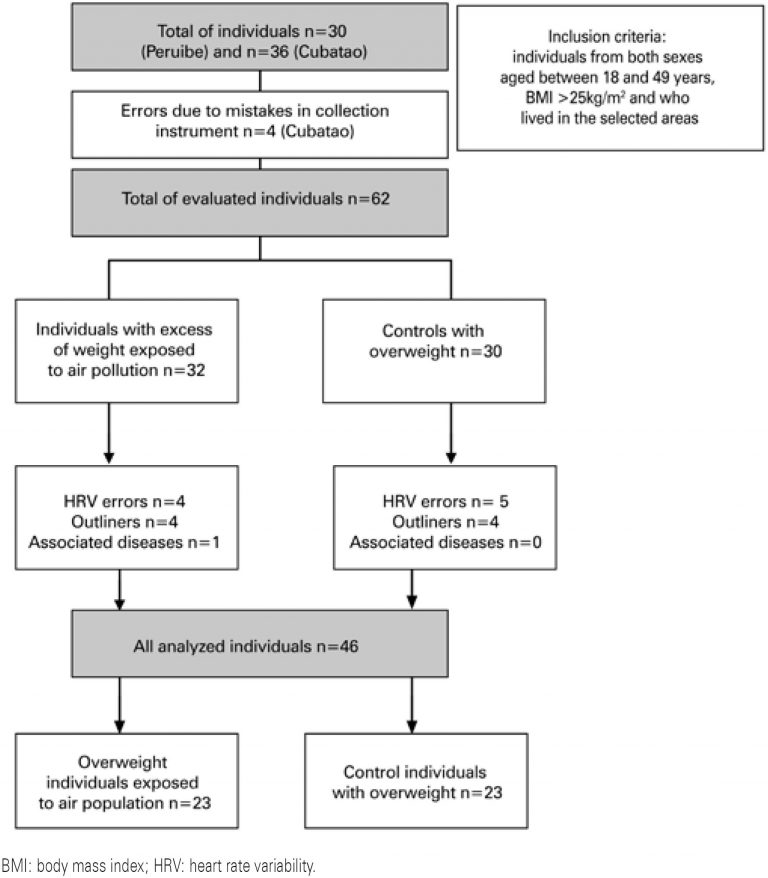
ABSTRACT Objective: To analyze the effect of air pollution on heart rate variability in overweight individuals. Methods: A total of 46 adult individuals, both sexes, aged between 18 and 49 years and with body mass index >25kg/m2 were analyzed. All volunteers were students from public schools of two cities in the state of São Paulo. The clinical, demographic and anthropometric data of each individual, as well as heart rate variability through time domain, geometric and frequency indices were collected. For […]
Keywords: Air pollution; Autonomic nervous system; Cardiovascular system; Environmental pollution; Heart rate; Obesity; Overweight
12/Nov/2020
A neural network for prediction of risk of nosocomial infection at intensive care units: a didactic preliminary model
einstein (São Paulo). 12/Nov/2020;18:eAO5480.
View Article12/Nov/2020
A neural network for prediction of risk of nosocomial infection at intensive care units: a didactic preliminary model
DOI: 10.31744/einstein_journal/2020AO5480
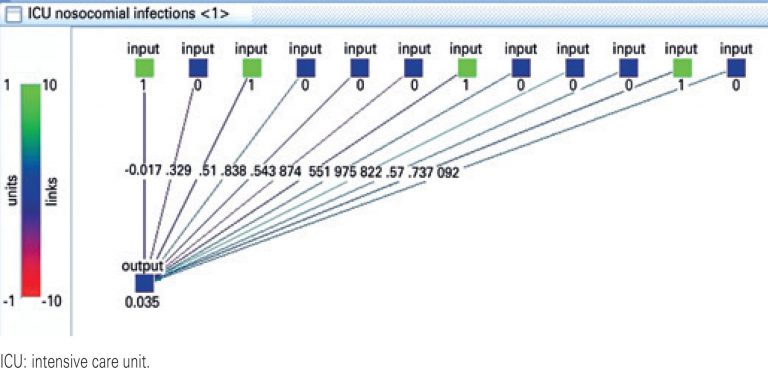
ABSTRACT Objective: To propose a preliminary artificial intelligence model, based on artificial neural networks, for predicting the risk of nosocomial infection at intensive care units. Methods: An artificial neural network is designed that employs supervised learning. The generation of the datasets was based on data derived from the Japanese Nosocomial Infection Surveillance system. It is studied how the Java Neural Network Simulator learns to categorize these patients to predict their risk of nosocomial infection. The simulations are performed with several […]
Keywords: APACHE; Artificial intelligence; Artificial neural network; Intensive care units; Nosocomial infection
12/Nov/2020
Surgical antibiotic prophylaxis: is the clinical practice based on evidence?
DOI: 10.31744/einstein_journal/2020AO5427
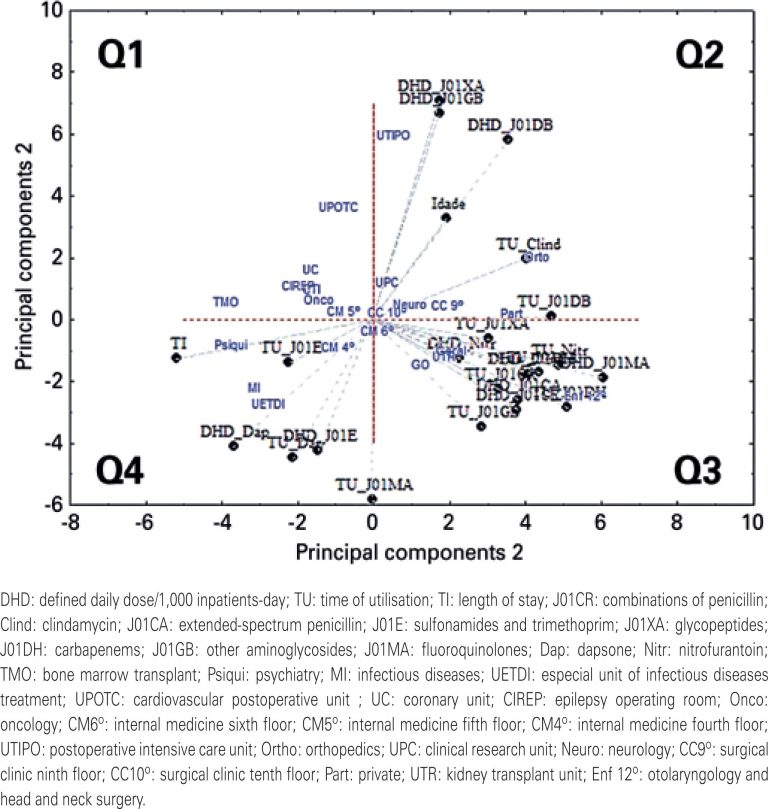
ABSTRACT Objective: To assess the surgical antibiotic prophylaxis. Methods: This was a descriptive study performed at a public tertiary care university hospital gathering prescription, sociodemographic and hospitalization data of inpatients admitted in 2014 who used antimicrobial drugs. This data were obtained from the hospital electronic database. The antimicrobial data were classified according to the anatomical, therapeutic chemical/defined daily dose per 1,000 inpatients. An exploratory analysis was performed using principal component analysis. Results: A total of 5,182 inpatients were prescribed surgical […]
Keywords: Antibiotic prophylaxis; Drug resistance, microbial; Drug utilization review; Infection control; Surgical wound infection/prevention & control
06/Nov/2020
A comparative study of ultrasound and cross-sectional imaging for detection of small renal masses: anatomic factors and radiologist’s experience
DOI: 10.31744/einstein_journal/2020AO5576
ABSTRACT Objective: To evaluate anatomic factors and radiologist’s experience in the detection of solid renal masses on ultrasonography. Methods: We searched for solid renal masses diagnosed on cross-sectional imaging from 2007 to 2017 that also had previous ultrasonography from the past 6 months. The following features were evaluated: nodule size, laterality, location and growth pattern, patient body mass index and radiologist’s experience in ultrasound. In surgically resected cases, pathologic reports were evaluated. Unpaired t test and χ2 test were used […]
Keywords: Diagnostic imaging; kidney neoplasms/diagnostic, imaging; Multidetector computed tomography; Ultrasonography
06/Nov/2020
Initial survey on the use of animals in scientific research and teaching reveals divided opinion of the Brazilian population
einstein (São Paulo). 06/Nov/2020;18:eAO5451.
View Article06/Nov/2020
Initial survey on the use of animals in scientific research and teaching reveals divided opinion of the Brazilian population
DOI: 10.31744/einstein_journal/2020AO5451
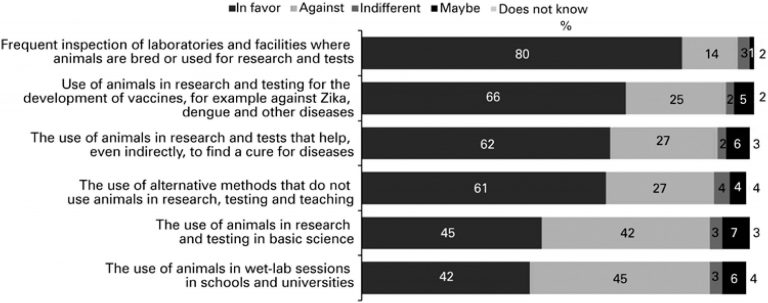
ABSTRACT Objective: Specific legislation regulating the use of animals in research in Brazil was introduced in 2008. However, the viewpoint of the Brazilian population regarding the use of animals in research and teaching activities remains largely unknown. Investigation of the public viewpoint on and understanding of the topic is required given the current shifts in the animal ethics scenario in Brazil. The objective of this study was to provide the first insight into the Brazilian population viewpoint on the use […]
Keywords: 3R's principle; Alternative methods; Animal ethics committees; Animal welfare; Animals, laboratory; Legislation
30/Oct/2020
Analysis of electroencephalography brain rhythms in the reading process
DOI: 10.31744/einstein_journal/2020AO5442
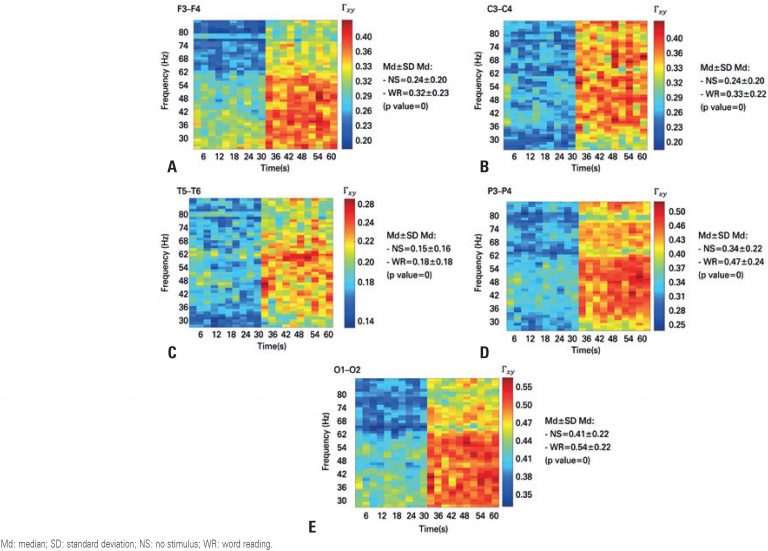
ABSTRACT Objective: To verify if, by three distinct quantifiers, the measured electroencephalographic signal at rest is different from the signal measured during a word reading situation, especially considering the faster rhythms, gamma and high-gamma, as it occurs in clinical rhythms (delta to beta). Methods: A total of 96 electroencephalographic signals measured from neurologically healthy volunteers were evaluated at two moments: resting and word reading. Each signal segment was measured by three quantifiers that separately assess normalized power, percent power, and […]
Keywords: Beta rhythm; Delta rhythm; Electroencephalography; Gamma rhythm; Reading
30/Oct/2020
The anti-clockwise spiralization of the linea nigra sign
DOI: 10.31744/einstein_journal/2020AO5432
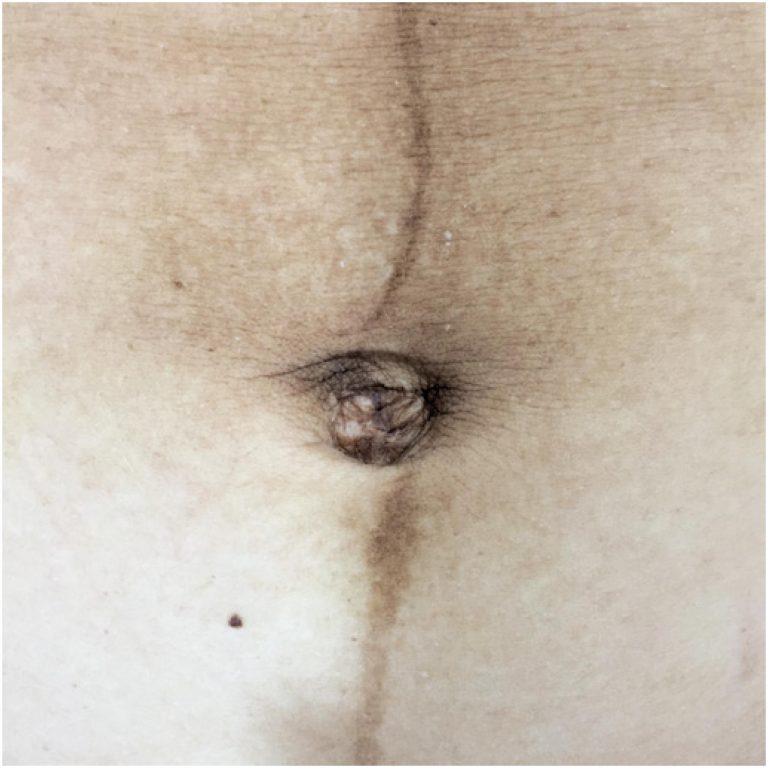
ABSTRACT Objective: To describe the morphology of the supra- and infraumbilical linea nigra in puerperal women. Methods: The study was conducted from September 2017 to April 2018, and included 157 puerperal women admitted for childbirth care at the Obstetrics Department of a public maternity hospital of the city of São Paulo (SP), Brazil. The abdomen of subjects was photographed on the first or second day postpartum, with the patient lying symmetrically in dorsal decubitus at a standardized distance. Contrast was […]
Keywords: Hyperpigmentation/diagnosis; Linea nigra; Physiological changes in pregnancy; Skin pigmentation; Skin/pathology
30/Oct/2020
Relationships between nursing diagnoses and the level of dependence in activities of daily living of elderly residents
DOI: 10.31744/einstein_journal/2020AO5445
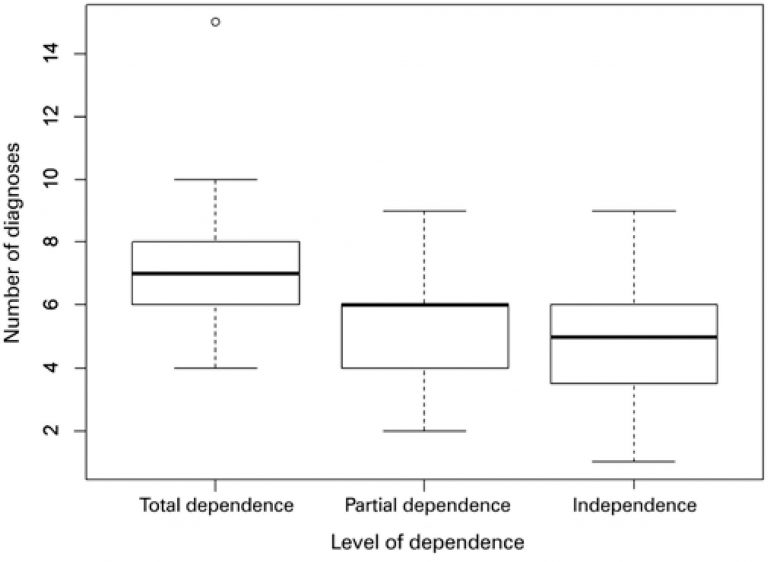
ABSTRACT Objective: To identify and validate nursing diagnoses of elderly residents, and determine their relationship with the level of dependence in activities of daily living. Methods: One hundred thirty-five older adults were assessed using medical history and physical examination. Twelve validated gerontological instruments were administered to assess delirium, nutritional status, risk for falls, risk for pressure injury, dementia, cognitive losses, depression, and level of dependence in daily living and instrumental activities of daily living. Nursing diagnoses were identified and validated […]
Keywords: Aged; Geriatric nursing; Homes for the aged; Nursing diagnosis; Nursing processes
30/Oct/2020
Penile cancer trends and economic burden in the Brazilian public health system
DOI: 10.31744/einstein_journal/2020AO5577
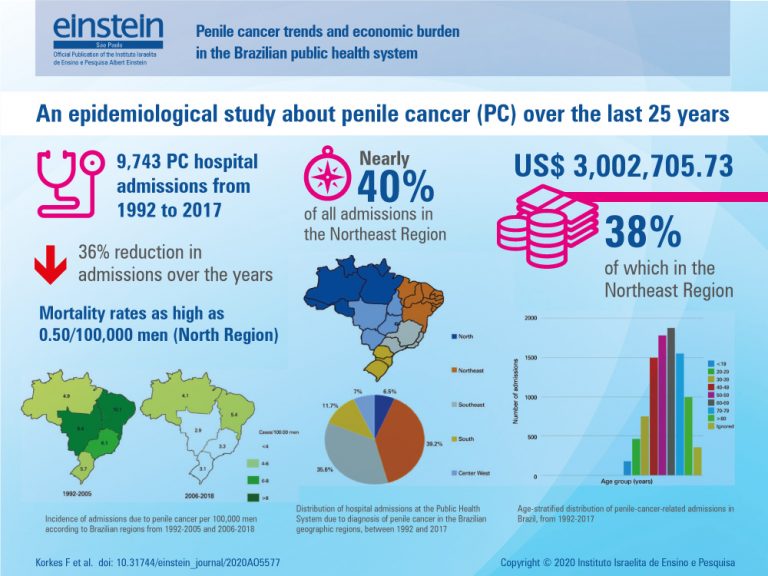
ABSTRACT Objective: To gather information on penile cancer epidemiologic trends and its economic impact on the Brazilian Public Health System across the last 25 years. Methods: The Brazilian Public Health System database was used as the primary source of data from January 1992 to December 2017. Mortality and incidence data from the Instituto Nacional de Câncer José Alencar Gomes da Silva was collected using the International Classification of Diseases ICD10 C60. Demographic data from the Brazilian population was obtained from […]
Keywords: Carcinoma, squamous cell; Costs and cost analysis; Development indicators; Penile neoplasms; Public health; Unified Health System
21/Oct/2020
Discriminative power of an adapted version of Nutritional Risk Screening 2002 applied to Brazilian older adults
einstein (São Paulo). 21/Oct/2020;18:eAO5309.
View Article21/Oct/2020
Discriminative power of an adapted version of Nutritional Risk Screening 2002 applied to Brazilian older adults
DOI: 10.31744/einstein_journal/2020AO5309
ABSTRACT Objective: To investigate the discriminative power of Nutritional Risk Screening 2002. Methods: A cross sectional study involving one hundred participants aged ≥60 years. The original and adapted versions of Nutritional Risk Screening 2002 and the Mini Nutritional Assessment were used. Nutritional Risk Screening 2002 adaptation consisted of a lower age cutoff (60 years or older) for addition of one extra point to the final score. Results: Screening using Nutritional Risk Screening 2002 revealed higher nutritional risk among patients aged […]
Keywords: Aged; Malnutrition; Nutrition therapy; Nutritional assessment; Nutritional status