17/Dec/2025
Effect of non-invasive ventilation and high-flow nasal cannula on hospital mortality in COVID-19-induced acute respiratory failure: a meta-analysis
einstein (São Paulo). 2026;24:eRW0695. Epub Dec 17, 2025.
View Article17/Dec/2025
Effect of non-invasive ventilation and high-flow nasal cannula on hospital mortality in COVID-19-induced acute respiratory failure: a meta-analysis
DOI: 10.31744/einstein_journal/2026RW0695
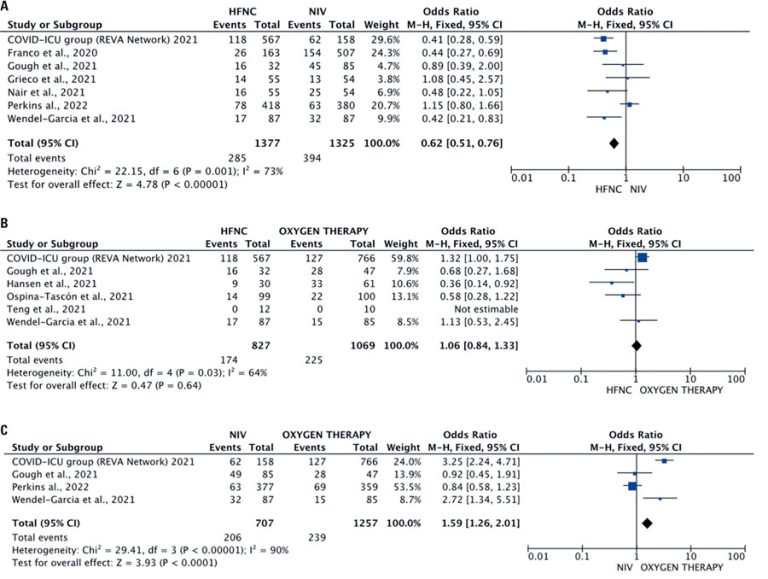
ABSTRACT Background Non-invasive respiratory support strategies, such as high-flow nasal cannula therapy and non-invasive ventilation, were widely employed during the coronavirus disease 2019 (COVID-19) pandemic, yet their comparative effectiveness remains uncertain. Objective To compare the effects of high-flow nasal cannula therapy, non-invasive ventilation, and conventional oxygen therapy on intubation rates and hospital mortality in adults with COVID-19-related acute respiratory failure. Methods A systematic review and meta-analysis was conducted following PRISMA and Cochrane guidelines, with searches performed in nine databases for […]
Keywords: COVID-19; Intubation; Mortality; Noninvasive ventilation; Oxygen inhalation therapy; Respiratory insufficiency; SARS-CoV-2
29/May/2020
Intensive support recommendations for critically-ill patients with suspected or confirmed COVID-19 infection
einstein (São Paulo). 29/May/2020;18:eAE5793.
View Article29/May/2020
Intensive support recommendations for critically-ill patients with suspected or confirmed COVID-19 infection
DOI: 10.31744/einstein_journal/2020AE5793
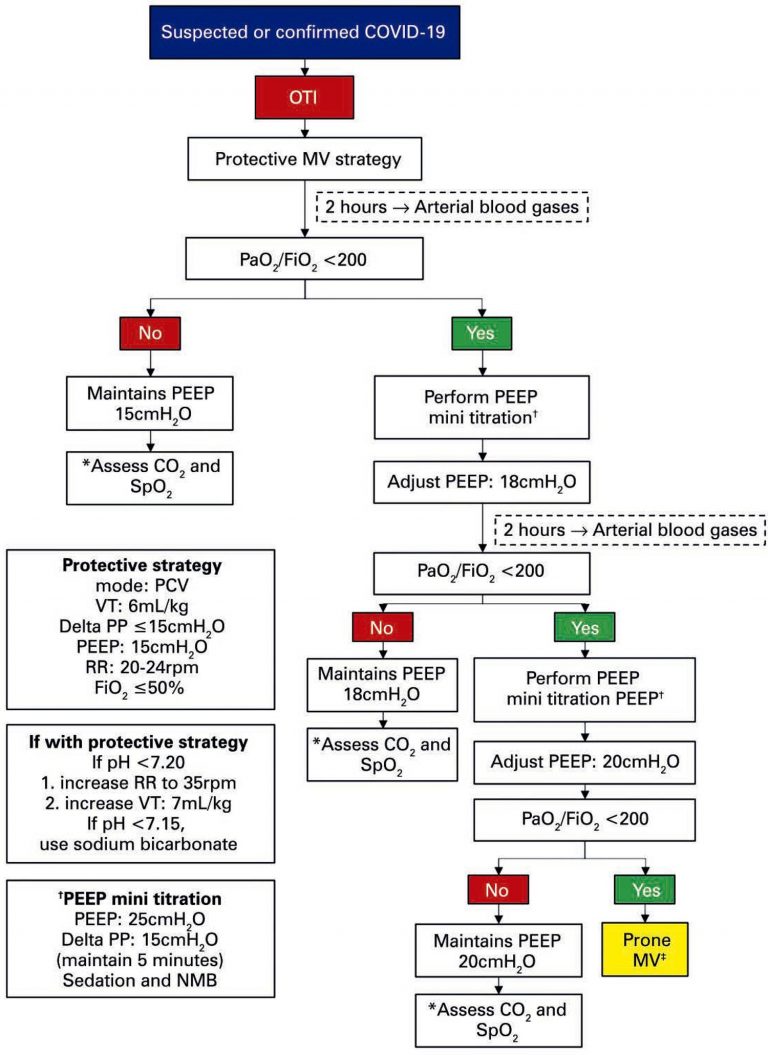
ABSTRACT In December 2019, a series of patients with severe pneumonia were identified in Wuhan, Hubei province, China, who progressed to severe acute respiratory syndrome and acute respiratory distress syndrome. Subsequently, COVID-19 was attributed to a new betacoronavirus, the severe acute respiratory syndrome coronavirus 2 (SARS-CoV-2). Approximately 20% of patients diagnosed as COVID-19 develop severe forms of the disease, including acute hypoxemic respiratory failure, severe acute respiratory syndrome, acute respiratory distress syndrome and acute renal failure and require intensive care. […]
Keywords: Coronavirus; COVID-19; Intensive care units; Respiratory distress syndrome, adult; Respiratory insufficiency
30/Oct/2018
Helium-oxygen mixture: clinical applicability in an intensive care unit
einstein (São Paulo). 30/Oct/2018;16(4):eAO4199.
View Article30/Oct/2018
Helium-oxygen mixture: clinical applicability in an intensive care unit
DOI: 10.31744/einstein_journal/2018AO4199
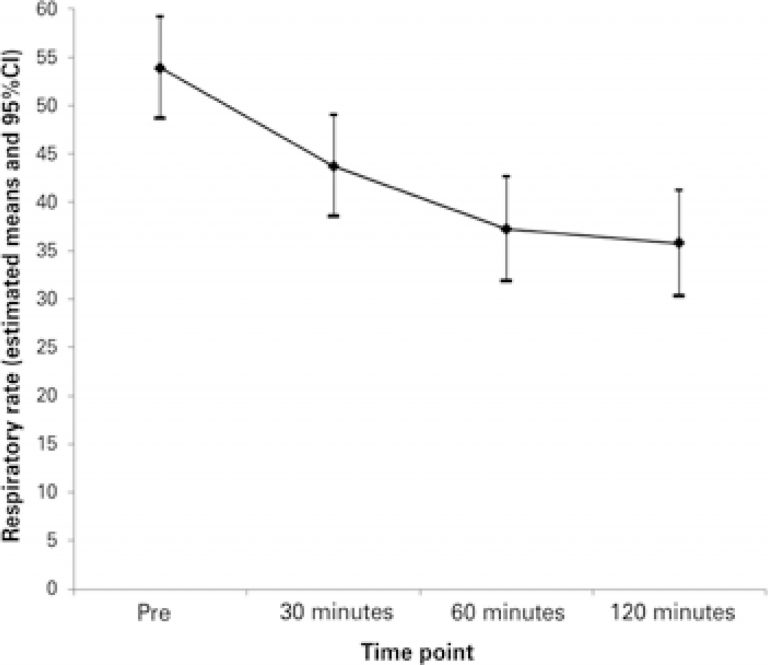
ABSTRACT Objective To evaluate if distress respiratory decreases after using helium-oxygen mixture in pediatric patients diagnosed with bronchospasm. Methods This is a retrospective, non-randomized study that included patients diagnosed with bronchospasm, who received a helium-oxygen mixture at three time points (30, 60, and 120 minutes) according to the organization protocol singular, and were admitted to the intensive care unit, from January 2012 to December 2013. This protocol includes patients with bronchospasm who sustained a modified Wood score of moderate to […]
Keywords: Child; Heliotherapy; Intensive care units, neonatal; Oxygen inhalation therapy; Respiratory insufficiency
01/Jan/2011
Noninvasive ventilation for acute respiratory failure in children – a systematic review
DOI: 10.1590/S1679-45082011RW1714
ABSTRACT Objective: To assess the role of noninvasive ventilation in the treatment of children with acute respiratory failure. Methods: A systematic review of literature on noninvasive ventilation in MEDLINE, LILACS, EMBASE, and Cochrane databases, besides references in articles. The outcomes evaluated were responses in blood oxygenation and ventilation, and patient survival. Results: A total of 120 studies on noninvasive ventilation were found as of May, 2010. Of these, only 19 were about noninvasive ventilation in children. On the other hand, […]
Keywords: Anoxia; Child; Hypercapnia; Pulmonar ventilation; Respiratory insufficiency