3 results
21/Nov/2024
DOI: 10.31744/einstein_journal/2024RC1113
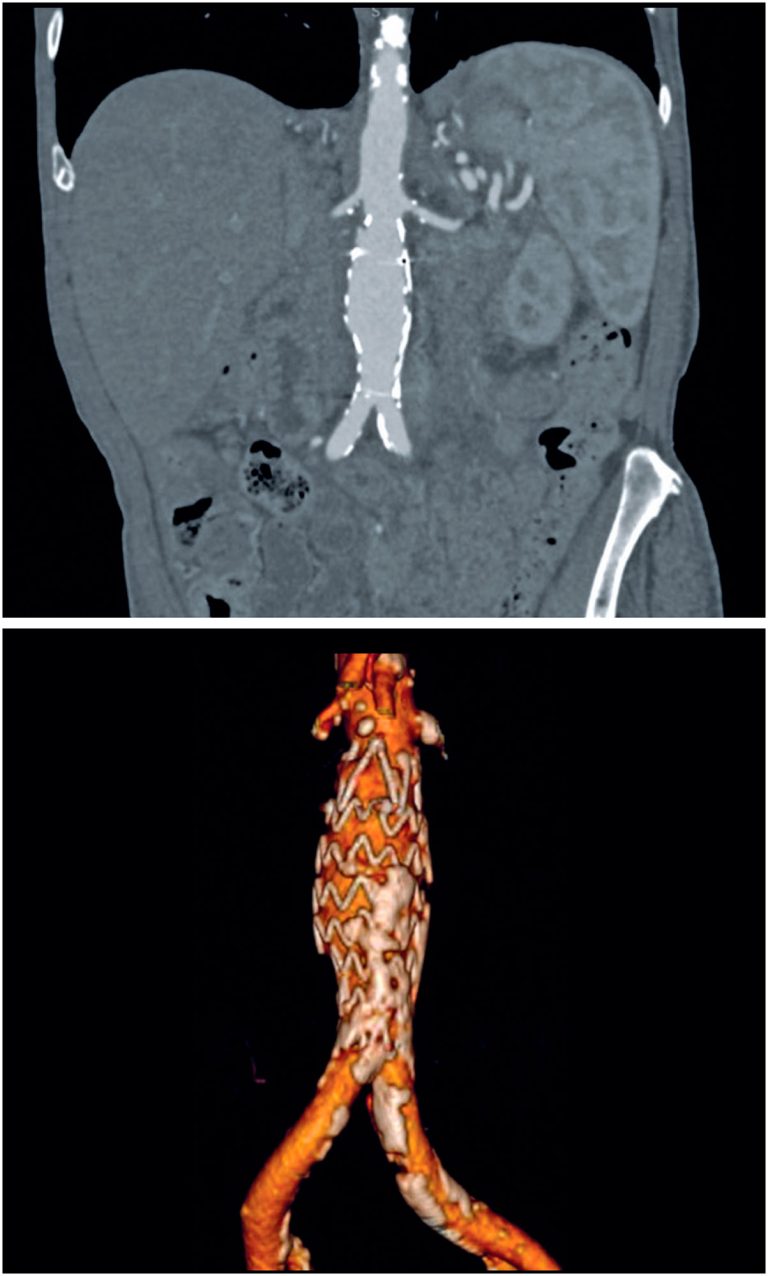
ABSTRACT Spontaneous non-aneurysmal aortic rupture is rare and is usually attributed to penetrating aortic ulcers, infections, tumor infiltrations, or inflammatory and collagen diseases. Chronic rupture is infrequent but extremely rare in non-aneurysmal aortas, which makes diagnosis difficult because the absence of an aneurysm can mislead the physician to rule out rupture. Here, we describe the case of an 85-year-old male, who was undergoing oncological investigation for weight loss, inappetence, and back pain. Computed tomography and magnetic resonance imaging performed 3 […]
Keywords: Aged, 80 and over; Aneurysm; Aneurysm, false; Angiography; Aorta, abdominal; Endovascular procedures; Intensive care units; Magnetic resonance imaging; Patient discharge; Penetrating atherosclerotic ulcer; Prostheses and implants; Rupture; spontaneous; Tomography, x-ray computed
08/Dec/2017
DOI: 10.1590/S1679-45082017AO4147
ABSTRACT Objective: To analyze the quality and quantity of data in the questionnaires and in request forms for magnetic resonance imaging. Methods: This retrospective study was conducted with data from 300 medical records. The research used the following data from the questionnaires: patient age, reason for the magnetic resonance imaging, reason for placing the breast implant, report of any signs or symptoms, time elapsed since surgery to place the current breast implant, replacement implant surgery, chemotherapy, and/or radiation therapy treatments. […]
Keywords: Breast implantation; Forms and records control; Magnetic resonance imaging; Prostheses and implants; Silicones; Surveys and questionnaires
01/Oct/2014
01/Oct/2014
DOI: 10.1590/S1679-45082014AO3132
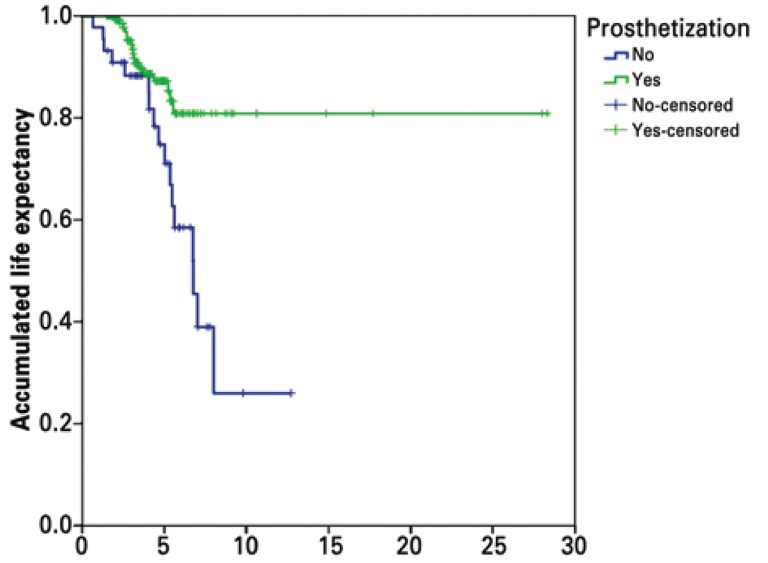
Objective To evaluate the indication of prosthesis during rehabilitation and the maintenance of their use or abandonment rate after discharge, as well as mortality of lower limb amputees due to peripheral arterial disease. Methods A retrospective and cross-sectional study carried out with lower limb amputee patients, at transfemoral and transtibial levels, due to vascular conditions. The sample was composed of 310 patients (205 men, 105 women, mean age 61.8 years), transfemoral (142) and transtibial (150) levels, unilateral or bilateral (18). […]
Keywords: Amputation/rehabilitation; Amputees/rehabilitation; Lower extremity; Mortality; Peripheral arterial disease; Peripheral arterial diseases/complications; Prostheses and implants