2 results
15/Oct/2013
15/Oct/2013
DOI: 10.1590/S1679-45082013000300025
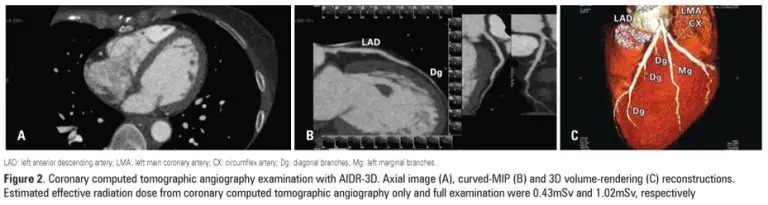
Coronary computed tomography angiography (coronary CTA) is a powerful non-invasive imaging method to evaluate coronary artery disease. Nowadays, coronary CTA estimated effective radiation dose can be dramatically reduced using state-of-the-art scanners, such as 320-row detector CT (320-CT), without changing coronary CTA diagnostic accuracy. To optimize and further reduce the radiation dose, new iterative reconstruction algorithms were released recently by several CT manufacturers, and now they are used routinely in coronary CTA. This paper presents our first experience using coronary CTA […]
Keywords: Cardiac imaging techniques; Cardiac-gated imaging techniques; Coronary angiography; Coronary artery disease; Diagnostic imaging; Exposure control to radiation; Image processing, computed-assisted; Multidetector computed tomography; Myocardial ischemia; Radiation, ionizing
15/Oct/2013
DOI: 10.1590/S1679-45082013000300021
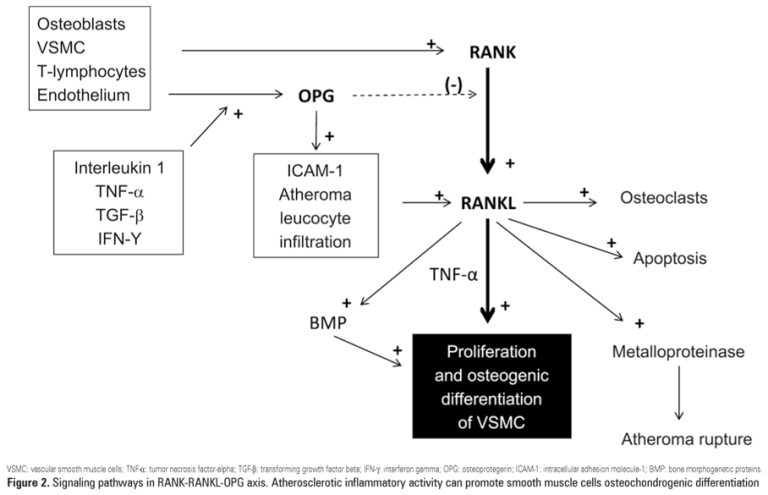
Vascular calcification in coronary artery disease is gaining importance, both in scientific research and in clinical and imaging applications. The calcified plaque is considered the most relevant form of atherosclerosis within the coronary artery tree and is frequently a challenge for percutaneous intervention. Recent studies showed that plaque calcification is dynamic and is strictly related to the degree of vascular inflammation. Several inflammatory factors produced during the different phases of atherosclerosis induce the expression and activation of osteoblastic cells located […]
Keywords: Atherosclerosis; Myocardial ischemia; Renal insufficiency; Vascular calcification; Vitamin D