03/Feb/2026
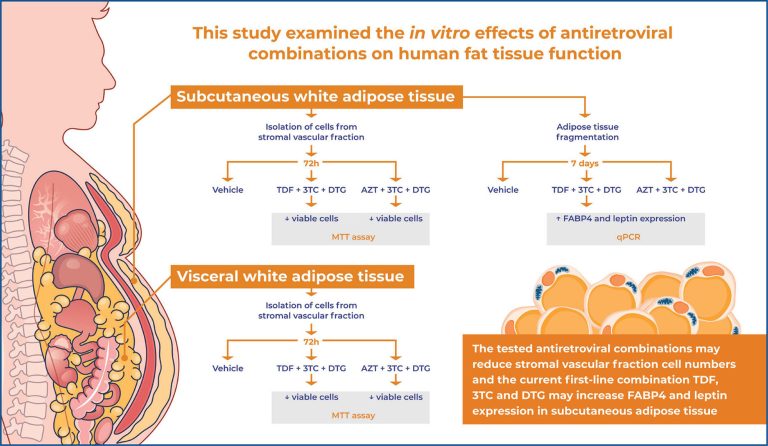
Combined tenofovir, lamivudine, and dolutegravir treatment increases leptin and FABP4 expression in human subcutaneous adipose tissue
einstein (São Paulo). 03/Feb/2026;24:eAO1770.
View Article03/Feb/2026
Combined tenofovir, lamivudine, and dolutegravir treatment increases leptin and FABP4 expression in human subcutaneous adipose tissue
DOI: 10.31744/einstein_journal/2026AO1770
Highlights ■ TDF + 3TC + DTG decreases the number of viable stromal vascular cells in subcutaneous adipose tissue. ■ TDF + 3TC + DTG decreases the number of viable stromal vascular cells in visceral adipose tissue. ■ TDF + 3TC + DTG increases leptin and FABP4 expression in subcutaneous adipose tissue. ABSTRACT Introduction: Several antiretroviral regimens reportedly affect adipose tissue function. While earlier antiretroviral combinations were associated with lipodystrophy, more recent regimens, particularly those containing dolutegravir, have been linked […]
Keywords: Adipose tissue; Antiretroviral therapy, highly active; HIV; Stromal vascular fraction
21/Jun/2023
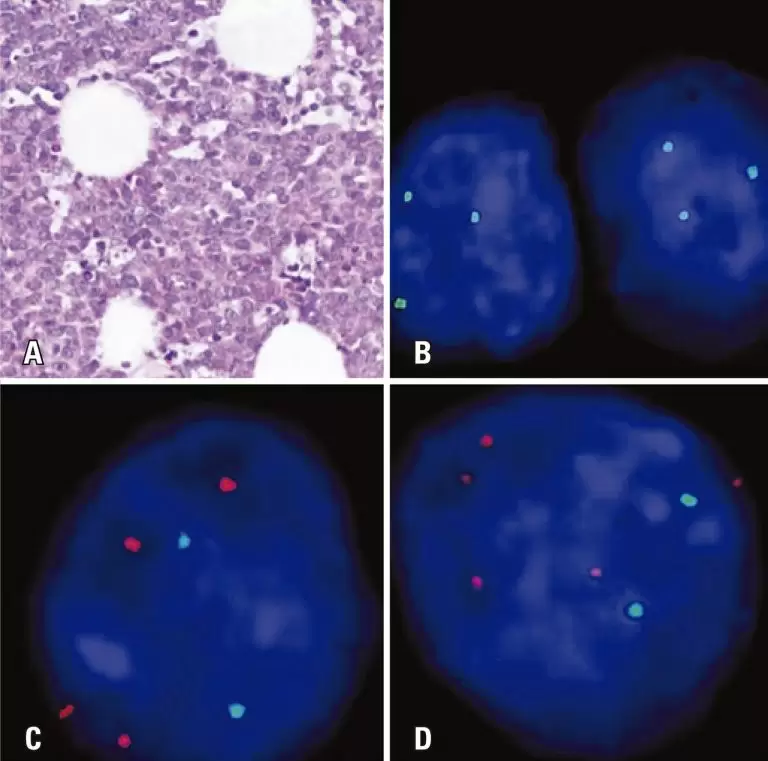
Amplifications of AURKA and AURKB in a Burkitt lymphoma immunodeficiency-associated type: a case report
DOI: 10.31744/einstein_journal/2023RC0378
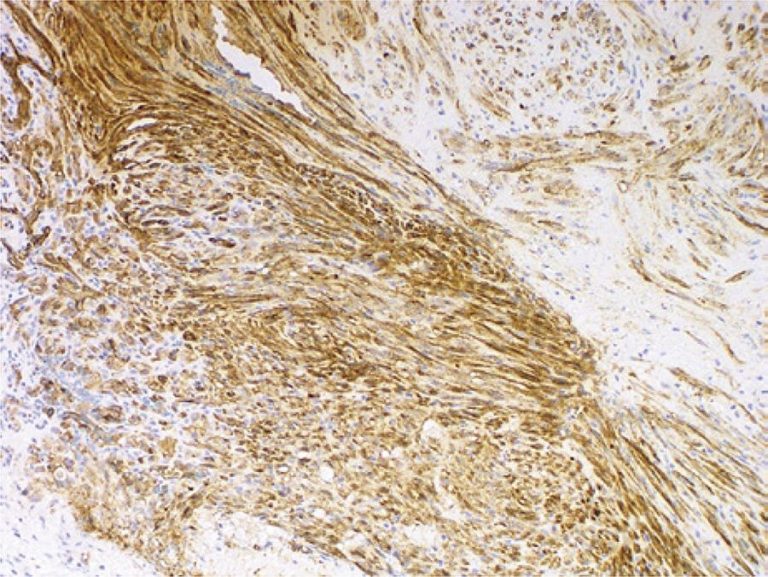
ABSTRACT In equatorial Brazil, the association of Burkitt lymphoma and Epstein–Barr virus manifests at high rates. Here, we report, for the first time, amplifications of aurora kinase genes (AURKA/B) in a patient with a history of periodontal abscess and the presence of a remaining nodule, diagnosed with Burkitt lymphoma and Epstein–Barr virus, and /HIV positive. The patient was a 38-year-old man who presented with a 2-week-old severe jaw pain and a 3-day-old severe bilateral headache. He had a history of […]
Keywords: Aurora kinases; Burkitt lymphoma; Epstein–Barr virus infections; HIV; Interfases; Pathology
06/Jun/2023
HIV and neoplasms: What do we know so far?
DOI: 10.31744/einstein_journal/2023RW0231
ABSTRACT Introduction The human immunodeficiency virus (HIV) pandemic remains an important issue. In 2020, approximately 37.7 million people were living with the disease and there were more than 680 thousand deaths due to complications linked to the disease. Despite these exorbitant numbers, the introduction of highly active antiretroviral therapy has marked a new era, changing the epidemiological profile of the infection and related pathologies, including neoplasms. Objective We performed a literature review to assess the role of neoplasms in patients […]
Keywords: Acquired immunodeficiency syndrome; Antiretroviral therapy, highly active; Carcinogenesis; HIV; Neoplasms
05/Jul/2022
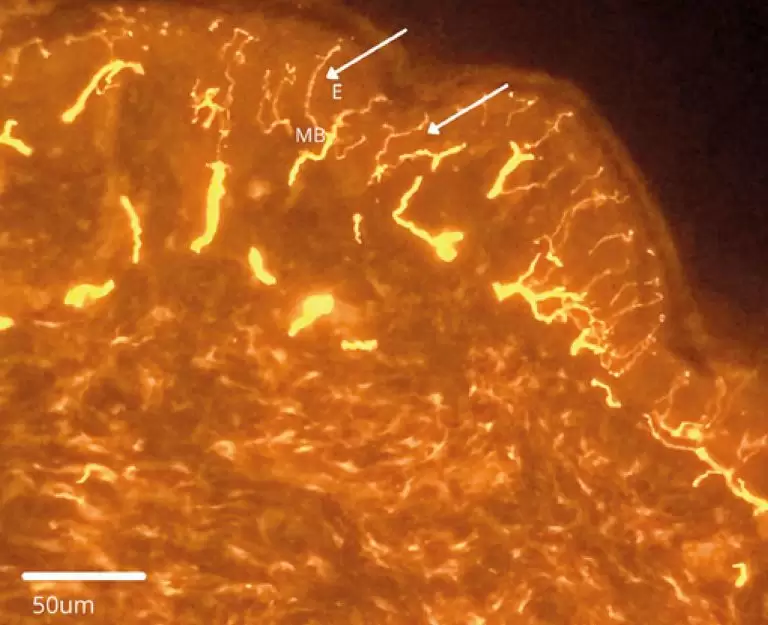
Investigation of nerve fibers in the skin by biopsy: technical aspects, indications, and contribution to diagnosis of small-fiber neuropathy
einstein (São Paulo). 05/Jul/2022;20:eMD8044.
View Article05/Jul/2022
Investigation of nerve fibers in the skin by biopsy: technical aspects, indications, and contribution to diagnosis of small-fiber neuropathy
DOI: 10.31744/einstein_journal/2022MD8044
ABSTRACT Skin biopsy with investigation of small-diameter nerve fibers in human epidermis and dermis has been proven to be a useful method for confirming small-fiber neuropathy. In medical practice, small-fiber neuropathy is increasingly recognized as a leading cause of neuropathic pain. It is a prevalent complaint in medical offices, brought by patients often as a “painful burning sensation”. The prevalence of neuropathic pain is high in small-fiber neuropathies of different etiologies, especially in the elderly; 7% of population in this […]
Keywords: Biopsy; Diabetes mellitus; Diabetic neuropathies; Drug therapy; Fabry disease; HIV; Nerve fibers; Neuralgia, postherpetic; Rheumatic diseases; Skin; Small fiber neuropathy
01/Jun/2022
HIV, syphilis, hepatitis B and C in key populations: results of a 10-year cross-sectional study, Southern Brazil
DOI: 10.31744/einstein_journal/2022AO6934
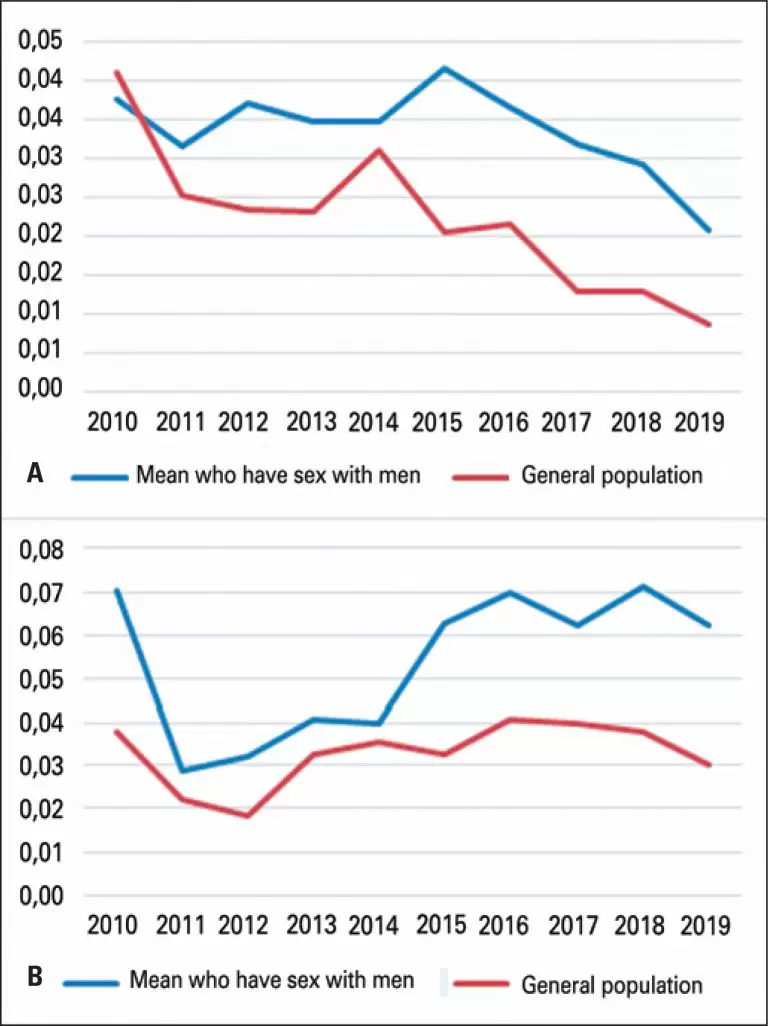
ABSTRACT Objective: Although the development of prevention and treatment strategies for sexually transmitted infections in key groups has improved over the years, they still remain a challenge for health systems worldwide. In this context, the objective of this study is to assess the seroprevalence in the tested population, with an emphasis on key populations, aiming at identifying the participants’ profile and consequently the development of testing strategies. Methods: The present study analyzed the seroprevalence of HIV, syphilis, and hepatitis B […]
Keywords: Drug users; HIV; Homosexuality, male; Population groups; Sex workers; Sexual and gender minorities; Sexually transmitted diseases; Syphilis
17/Mar/2022
Epidemiological characteristics and adherence of a cohort of elderly people with HIV/AIDS in the Public Health System
DOI: 10.31744/einstein_journal/2022AO6474
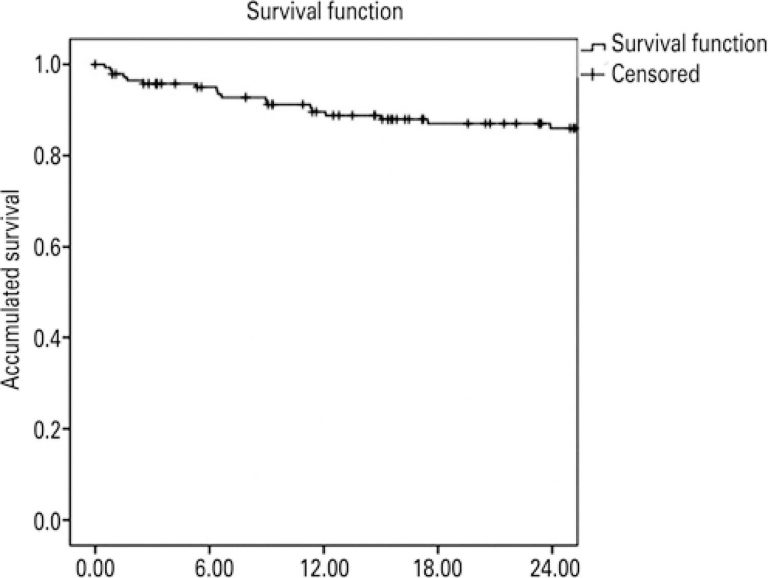
ABSTRACT Objective To characterize the epidemiological profile of patients aged 50 years or older diagnosed as HIV/AIDS, in a Specialized Service of the Public Health System. Methods A retrospective cohort study using secondary data from medical records in the period 2014 to 2018. Sociodemographic and clinical characteristics, and features related to treatment adherence were organized in a database. Quantitative variables were expressed as mean (or median) ± standard deviation (or interquartile range), and categorical variables expressed as number and percentage […]
Keywords: Acquired immunodeficiency syndrome; Aged; AIDS; Antiretroviral therapy, highly active; HIV; Immunity, cellular; Treatment adherence and compliance
11/Nov/2021
Virologic success under antiretroviral therapy among people living with HIV/AIDS in the state of Paraná, Brazil
DOI: 10.31744/einstein_journal/2021AO5800
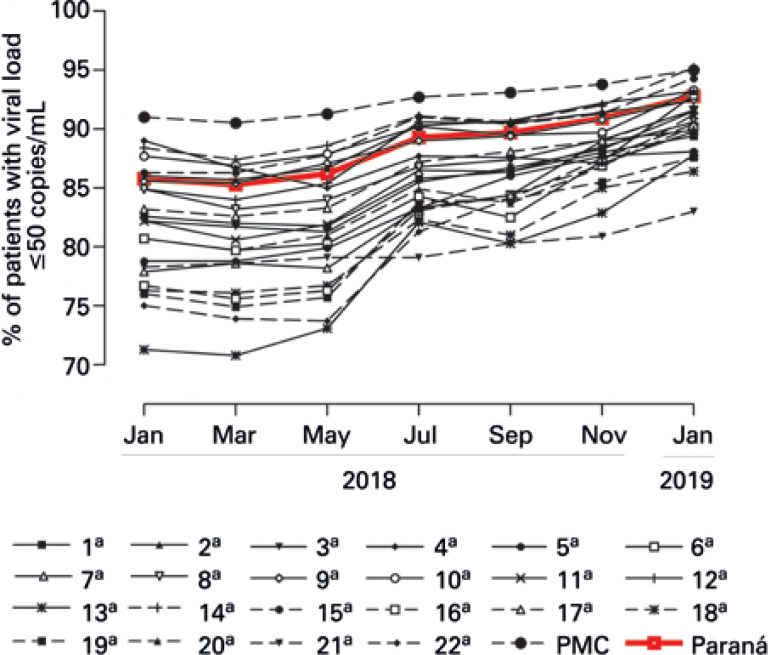
ABSTRACT Objective: To characterize the sociodemographic profile of the population undergoing antiretroviral treatment in the state of Paraná, Brazil, to investigate the proportion of people undergoing treatment among all those diagnosed, and to analyze the proportion of patients with suppressed viral load in different regions of the state. Methods: Observational descriptive and analytical study carried out with information referring to the period from January 2018 to January 2019. Data were obtained from the Sistema Informatizado de Monitoramento Clínico das Pessoas […]
Keywords: AIDS; Anti-retroviral agents; Health profile; HIV; Sustained virologic response
23/Oct/2019
Analysis of anti-tuberculosis drug resistance and sociodemographic and clinical aspects of patients admitted in a referral hospital
einstein (São Paulo). 23/Oct/2019;18:eAO4620.
View Article23/Oct/2019
Analysis of anti-tuberculosis drug resistance and sociodemographic and clinical aspects of patients admitted in a referral hospital
DOI: 10.31744/einstein_journal/2020AO4620
ABSTRACT Objective To determine the occurrence of anti-tuberculosis drug resistance and its association with sociodemographic and clinical characteristics of patients in a referral hospital. Methods This was a cross-sectional study based on data from patients who had mycobacterial culture identified and defined antimicrobials sensitivity profile (June 2014 to February 2016). The descriptive statistical analysis and Fisher’s exact test were used to compare proportions. Results The study included 104 patients who had positive results for Mycobacterium tuberculosis . Bacilloscopy had high […]
Keywords: Epidemiology; HIV; Mycobacterium tuberculosis; Tuberculosis; Tuberculosis, multidrug-resistant
14/Feb/2019
Kaposi sarcoma of the penis in an HIV-negative patient
DOI: 10.31744/einstein_journal/2019RC4504
ABSTRACT Kaposi sarcoma is an angioproliferative disorder that ranges from a single indolent skin lesion to respiratory and gastrointestinal/visceral involvement. Kaposi sarcoma is rare in non-immunosuppressed patients. Nineteen cases of penile Kaposi sarcoma in HIV-negative patients were reported in 2012. We present the case report of a 48-year-old male patient with no previous medical history, who came to our urology clinic presenting a purple-color papule on the penis glans. Lab tests revealed negative serology for HIV, but tissue PCR was […]
Keywords: Herpesvirus 8, human; HIV; Penile neoplasms; Penis/pathology; Sarcoma, Kaposi
31/Jan/2014
Opsoclonus-myoclonus-ataxia syndrome in an AIDS patient
DOI: 10.1590/S1679-45082013000400023
We report the case of a 38-year-old woman with AIDS who developed opsoclonus-myoclonus-ataxia syndrome during a period different from other cases reported in literature. Opsoclonus-myoclonus-ataxia syndrome had already been reported as the initial neurological presentation of AIDS, as well as at the time of HIV-seroconversion and immune reconstitution syndrome. Our case is unique since the patient had an elevated CD4 count and negative viral load in the period when the opsoclonus-myoclonus-ataxia syndrome occurred.
Keywords: Ataxia; Ataxic gait; HIV; Myoclonus; Ocular motility disorders