einstein (São Paulo). 01/Apr/2026;24:eRW1854.
One-dimensional computational circulatory models: a scoping review

DOI: 10.31744/einstein_journal/2026RW1854
ABSTRACT
Background
Computational modeling of human circulatory system has evolved significantly in recent decades. Among the various modeling strategies, one-dimensional (1D) models have emerged as alternatives to more complex models because of their balance between physiological accuracy and computational efficiency.
Objective
This scoping review aimed to summarize and compare the studies on 1D computational models of the entire circulatory system, including those that incorporated additional 0D and 3D components.
Methods
A systematic search was performed for studies on computational 1D models of the entire arterial tree. Studies were eligible if they employed 1D modeling either exclusively or in combination with 0D and/or 3D components. Article screening, data extraction, and analyses were conducted in accordance with the PRISMA-ScR guidelines.
Results
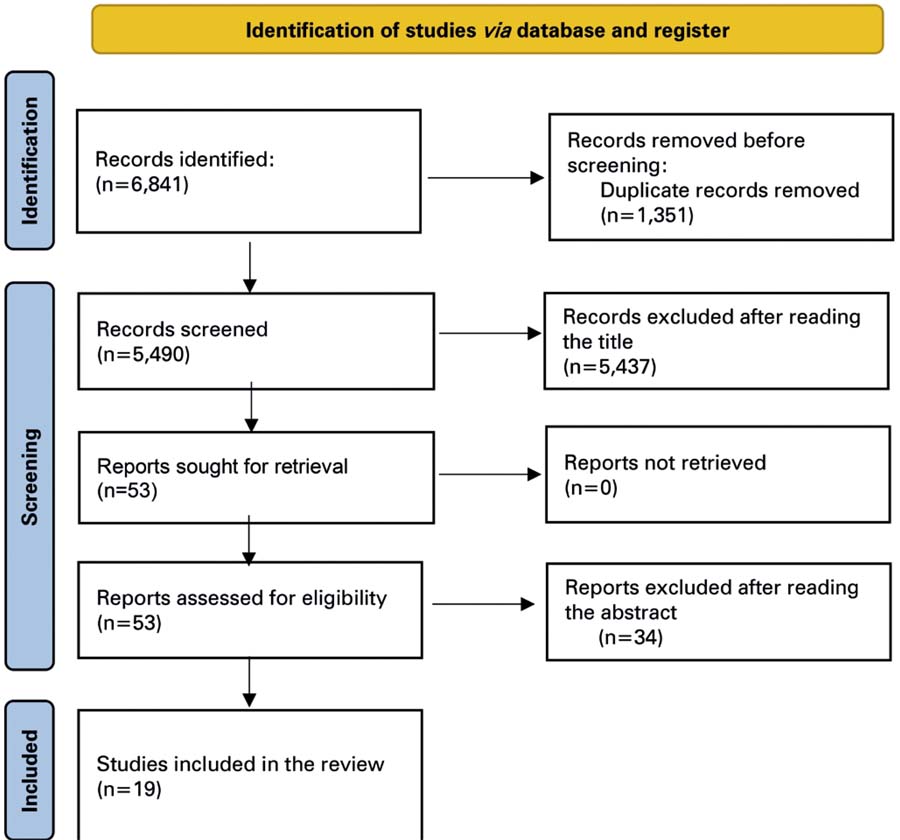
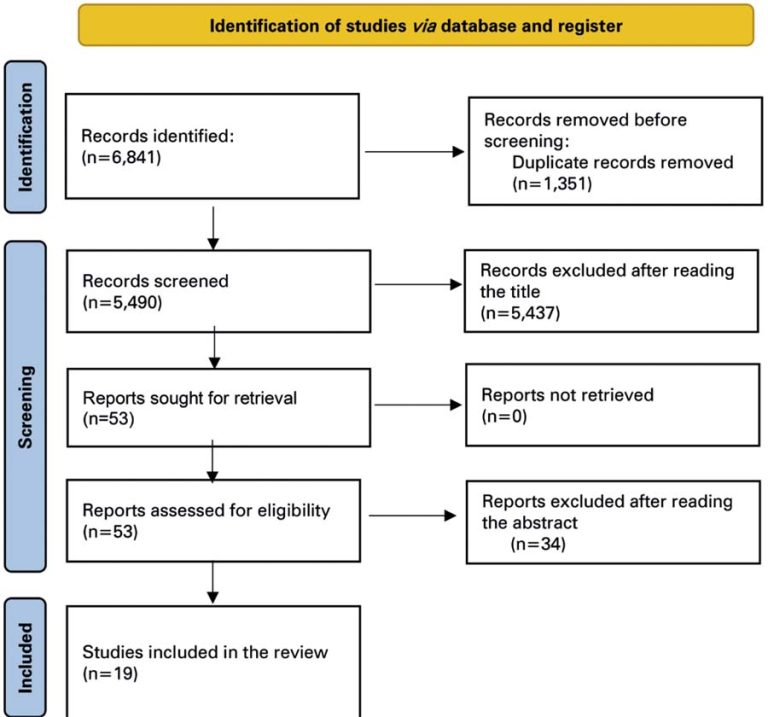
Out of the 6,841 records, 19 studies were included. Eleven articles presented strictly 1D nonlinear models, two used linear 1D models, and six employed multiscale frameworks that integrated 1D, 0D, and/or 3D components. Nonlinear 1D models consistently outperformed linear models in simulating large elastic arteries and pathological conditions, whereas linear models were effective in simulating small vessels under low-pressure variations. Multiscale models improve local hemodynamic details, but impose significantly higher computational costs.
Conclusion
1D models provide a robust and computationally efficient framework for simulating global cardiovascular hemodynamics. Although nonlinear and multiscale models enhance the physiological fidelity and adaptability to complex scenarios, their higher computational demands should be weighed against the available resources and specific clinical or research goals.
Keywords: Mathematical computing; Hemodynamics; Cardiovascular system; Models
12