einstein (São Paulo). 17/Dec/2025;24:eRW1685.
Iridoschisis associated with cataract: a systematic review of case reports

DOI: 10.31744/einstein_journal/2026RW1685
ABSTRACT
Background
Iridoschisis is a rare, bilateral condition of unknown etiology, often associated with trauma or surgery, in which the iris stroma splits into layers. It is usually associated with glaucoma and cataract. Facectomy in these patients is challenging owing to the risk of aspirating the iris fibers and limited pupil dilation.
Objective
This systematic review aimed to provide a comprehensive analysis of the clinical features, therapeutic interventions, and outcomes in patients with iridoschisis, to clarify optimal practices and identify areas for future research.
Methods
We described a case of unilateral iridoschisis in a 76-year-old female, diagnosed on imaging examinations without prior ophthalmologic intervention. Preoperative planning for facectomy addressed potential surgical complications. Correct diagnosis facilitated the investigation of glaucomatous optic neuropathy, a common and sight-threatening complication if left untreated. We conducted a systematic search using Medical Subject Headings and Health Science Descriptors combined with Boolean operators.
Sources
PubMed, Cochrane Library, Web of Science, and Embase were searched with no publication restrictions.
Risk of bias
The risk of bias was assessed using the Critical Appraisal Checklist for case reports and case series proposed by The Joanna Briggs Institute.
Synthesis
The reference lists of the retrieved studies were manually checked. A simple descriptive analysis was performed to summarize the results.
Results
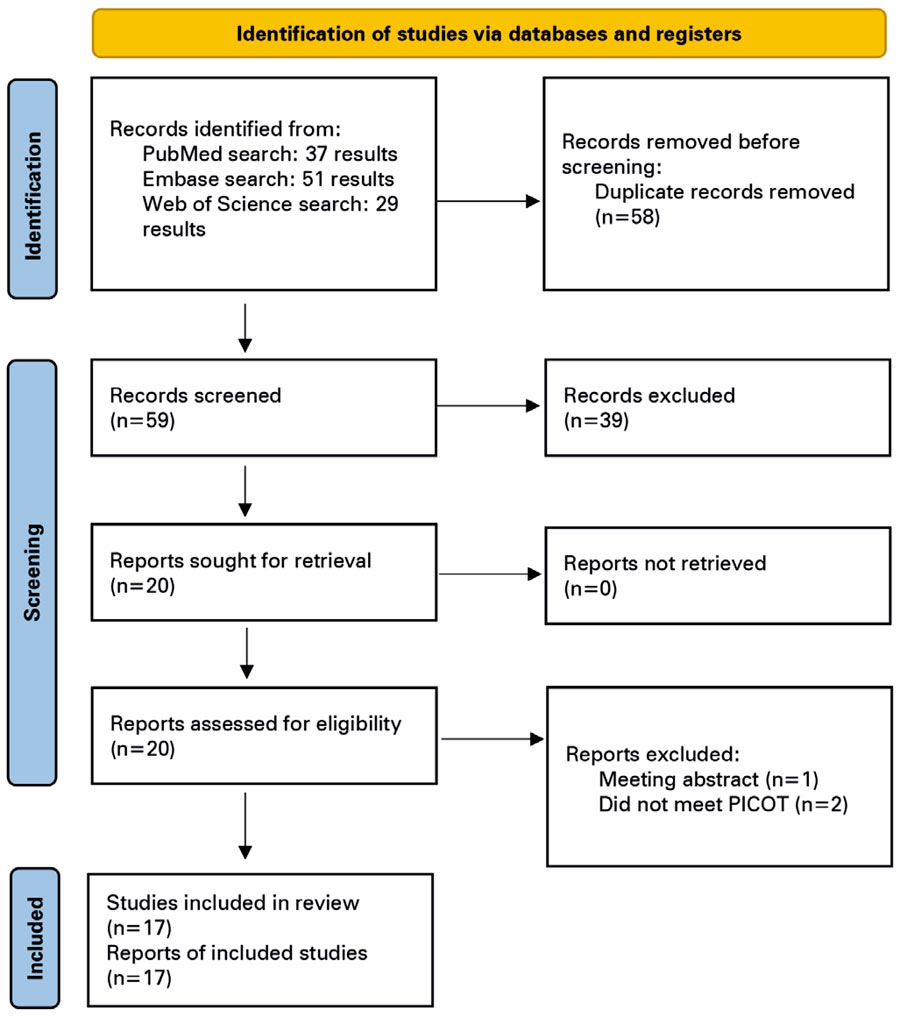
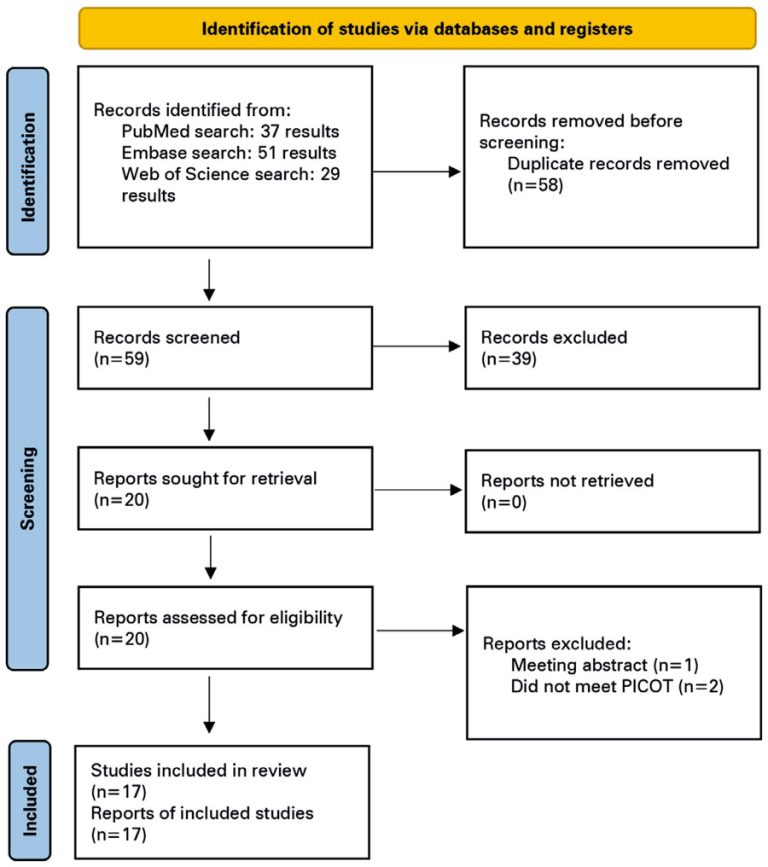
The search retrieved data from 234 studies. In the final analysis, 17 references were included, comprising 15 case reports and two case series. Preoperative and postoperative best-corrected visual acuities improved significantly, with cataract surgery being the most common treatment. Common complications included anterior chamber inflammation, corneal edema, and Descemet folds.
Discussion
This case and systematic review provide valuable insights into the management of iridoschisis and its comorbidities, underscoring the importance of careful preoperative planning and ongoing research to refine treatment strategies.
73