2 results
17/Dec/2025
17/Dec/2025
DOI: 10.31744/einstein_journal/2026RW1487
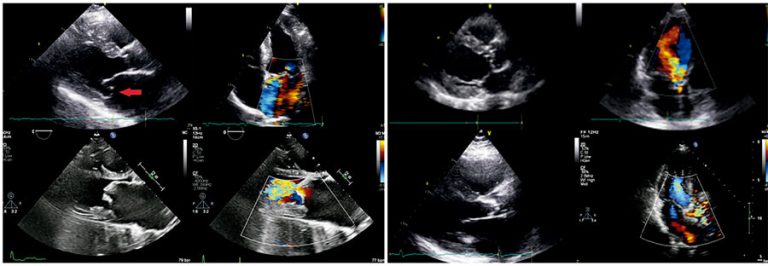
ABSTRACT Valvular heart disease is increasingly prevalent, and bedside confirmation or exclusion of severe disease is needed to enable a rapid and cost-effective diagnostic workup. The physical examination skills of clinicians are insufficient for accurate diagnosis, making complementary tests generally necessary. Despite being commonly requested, electrocardiography and chest radiography present low positive and negative likelihood ratios. Incipient studies involving artificial intelligence have shown promising opportunities to support the diagnosis. In addition, solid current evidence demonstrates that point-of-care ultrasound enhances bedside […]
Keywords: Aortic valve disease; Heart valve diseases; Mitral valve; Physical examination; Point-of-care systems; Point-of-care testing; Ultrasonography
19/Apr/2018
19/Apr/2018
DOI: 10.1590/S1679-45082018AO4247
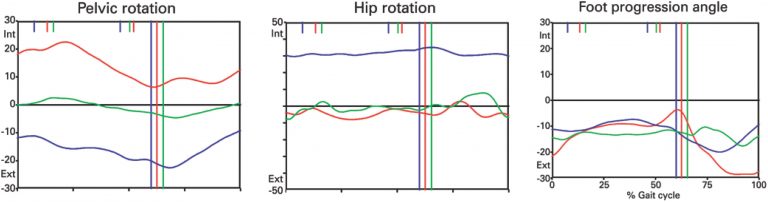
Abstract Objective To evaluate the correlation between physical examination data concerning hip rotation and tibial torsion with transverse plane kinematics in children with cerebral palsy; and to determine which time points and events of the gait cycle present higher correlation with physical examination findings. Methods A total of 195 children with cerebral palsy seen at two gait laboratories from 2008 and 2016 were included in this study. Physical examination measurements included internal hip rotation, external hip rotation, mid-point hip rotation […]
Keywords: Cerebral palsy; Gait; Physical examination