2 results
03/Sep/2026
03/Sep/2026
DOI: 10.31744/einstein_journal/2026AO2210
Highlights ■ 30-day unplanned readmission rate was 21.13% across the cohort. ■ Random Forest and LightGBM showed the best-balanced model performance. ■ Prior Emergency Department visits, labs, and vital signs were key readmission predictors. ■ Both models achieved median AUC 0.70 with consistent performance. ABSTRACT Objective: This study aims to develop Machine Learning models to predict 30-day unplanned readmissions in cancer patients treated at a private hospital in Brazil. Methods: This retrospective cohort study included admission records of hospitalizations lasting […]
Keywords: Machine learning; Neoplasms; Patient readmission; Unplanned
19/Apr/2023
19/Apr/2023
DOI: 10.31744/einstein_journal/2023AO0109
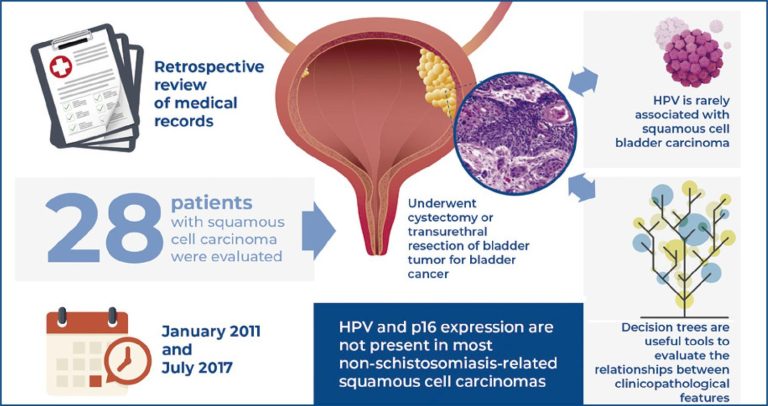
Highlights Twenty-eight cases of bladder squamous cell carcinoma cases were evaluated for p16, p53, p63 immunohistochemistry, and HPV PCR. Neither direct HPV detection nor its indirect marker (p16) was identified in most cases. Decision trees constructed described the relationships of a variety of clinicopathological features with high classification accuracy. ABSTRACT Objective To investigate the expression of human papillomavirus (HPV), p16, p53, and p63 in non-schistosomiasis-related squamous cell carcinoma of the bladder and to develop an accurate and automated tool […]
Keywords: Algorithms; Carcinoma, squamous cell; Human papillomavirus 16; Human papillomavirus 63; Human papillomavirus type 53; Machine learning; Papillomaviridae; Papillomavirus infections; Urinary bladder neoplasms