03/Jun/2025
Treatment of hypercalcemia related to polymethylmethacrylate injection: report of three cases
DOI: 10.31744/einstein_journal/2025RC1377
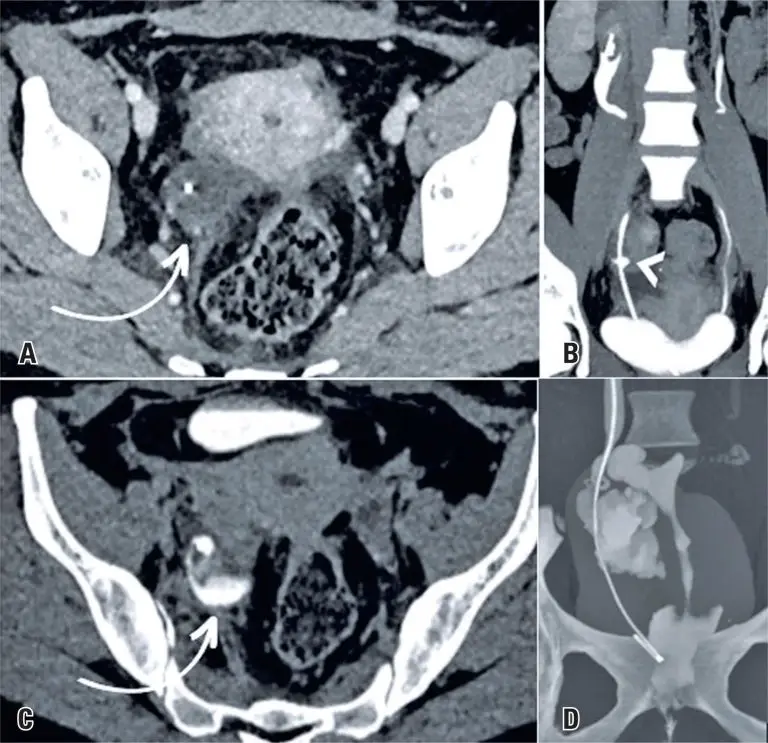
ABSTRACT Polymethylmethacrylate is a microsphere-based plastic used in aesthetic procedures. However, it can cause granuloma formation and severe hypercalcemia, often accompanied by renal impairment, which is a significant concern. Despite increasing reports, there is no standardized treatment approach for polymethylmethacrylate-induced hypercalcemia, and its incidence remains underreported. In this study, we present three cases of polymethylmethacrylate users who developed severe hypercalcemia that was resistant to conventional treatments, resulting in deteriorating renal function. These patients achieved symptom control with cinacalcet, a medication […]
Keywords: Aesthetic procedures; Cinacalcet; Hypercalcemia; Polymethyl methacrylate; Renal insufficiency
29/May/2025
Mucocutaneous disease: a child with extrapulmonary manifestation of mycoplasma infection
DOI: 10.31744/einstein_journal/2025RC1138
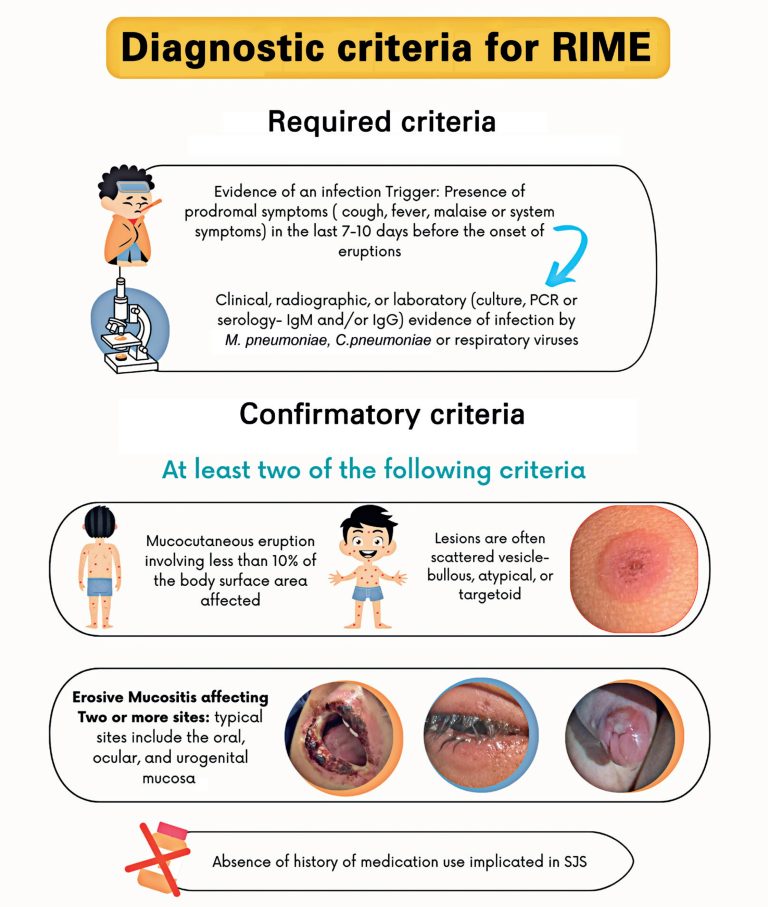
ABSTRACT Mycoplasma-induced rash and mucositis is a distinctive subset of reactive infectious mucocutaneous eruption identified in 2015 to differentiate it from other mucocutaneous disorders such as Stevens-Johnson syndrome, erythema multiforme major, and toxic epidermal necrolysis. Although its pathophysiology is not completely understood, Mycoplasma-induced rash and mucositis is characterized by polyclonal B cell proliferation, production of antibodies against Mycoplasma pneumoniae, subsequent immune complex deposition, and keratinocyte apoptosis. Clinical manifestations include scattered cutaneous lesions and severe mucositis, which predominantly affect children and […]
Keywords: Child; Diagnosis, differential; Erythema multiforme; Exantema; Mucositis; Mycoplasma; Mycoplasma infections; Mycoplasma pneumoniae
07/Apr/2025
Moebius Syndrome associated with syringomyelia: a case report
DOI: 10.31744/einstein_journal/2025RC0876
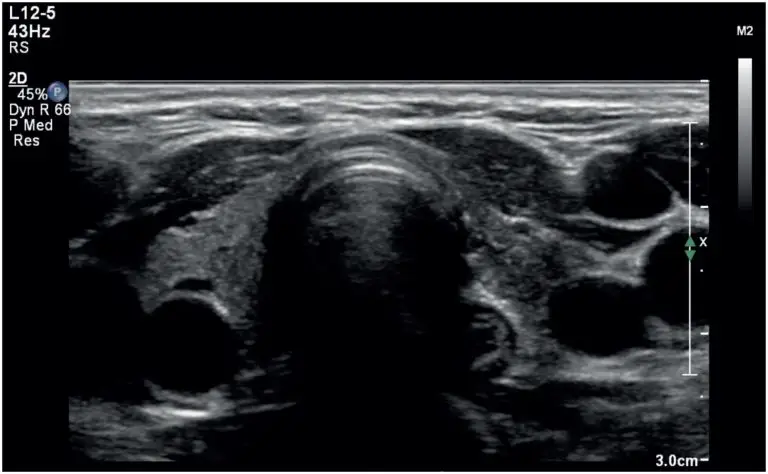
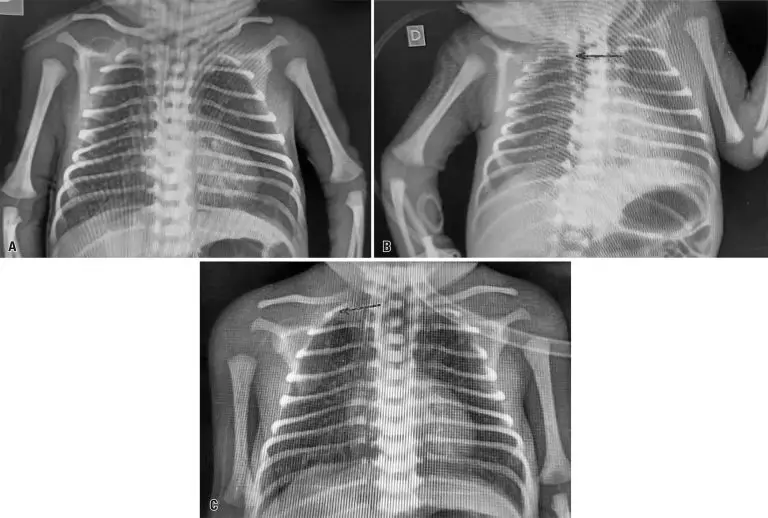
ABSTRACT Moebius Syndrome is a genetic condition that results in inability for facial mimicry due to palsy of cranial nerves VI and VII. Syringomyelia is characterized by a dilation of the central canal in the spinal cord, and is generally asymptomatic. Both disorders are diagnosed using imaging tests. A newborn with no facial movements upon physical examination was admitted to the delivery room of our hospital. A specialist confirmed the condition to be Moebius Syndrome. Further investigation using magnetic resonance […]
Keywords: Facial paralysis; Infant; Moebius Syndrome; Newborn; Syringomyelia
07/Apr/2025
Tenosynovitis caused by Trichosporon asahii in an immunocompetent patient
DOI: 10.31744/einstein_journal/2025RC1095
ABSTRACT Fungal infections have become a public health problem owingdute to their progressive increase in recent decades and high morbidity rates. Fungal bone and joint infections result from direct inoculation, contiguous infection spread, or hematogenous seeding of organisms. Trichosporon spp. are yeast-like basidiomycetes, with Trichosporon asahii being the most common pathogenic species. This article describes a rare case of tenosynovitis caused by Trichosporon asahii in an immunocompetent patient. Treatment with voriconazole resulted in an excellent clinical response.
Keywords: Mycoses; Tenosynovitis; Trichosporon; Trichosporon asahii; Voriconazole; Yeasts
07/Apr/2025
Chryseobacterium indologenes sepsis in a pediatric patient
DOI: 10.31744/einstein_journal/2025RC1200
ABSTRACT Chryseobacterium indologenes is a Gram-negative aerobic bacillus commonly found in nosocomial environments, particularly in patients with prolonged hospital stays or those requiring long-term invasive devices. It primarily affects elderly and immunocompromised individuals. This microorganism is associated with multidrug resistance, which is a crucial factor in treatment decisions. Here, we report a case of C. indologenes infection in an infant following the ingestion of milk formula diluted with untreated water.
Keywords: Bacteremia; Breast-milk substitutes; Child; Chryseobacterium; Cross infection; Drug resistance, multiple; Flavobacteriaceae
10/Mar/2025
Nodular vulvar lesions and its key differential diagnoses: a case report
DOI: 10.31744/einstein_journal/2025RC0362
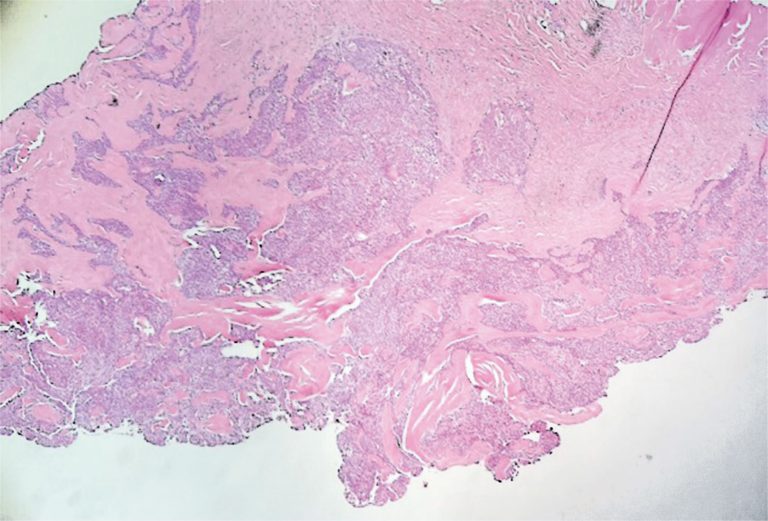
ABSTRACT The etiologies of vulvar nodules range from infectious to neoplastic. Owing to the wide spectrum of vulvar diseases, clinical differentiation of the lesions is crucial for adequate diagnosis and management. A 46-year-old patient presented with a nodular lesion in the vulvar region that had been growing slowly for 10 years. Gynecological examination revealed the presence of a solid nodular lesion measuring approximately 3 cm in the middle third of the right labia majora without phlogistic signs or secretion discharge. […]
Keywords: Adenoma, sweat gland; Diagnosis, differential; Gynecological examination; Sweat gland neoplasms; Vulvar neoplasms
26/Feb/2025
Azacitidine-induced bullous pemphigoid-like localized toxic reaction
DOI: 10.31744/einstein_journal/2025RC0699
ABSTRACT Azacitidine is a hypomethylating agent recommended for the treatment of patients with high-risk myelodysplastic syndromes. Here, we report the case of a patient with myelodysplastic syndrome who was not eligible for allogeneic stem cell transplantation (allo-SCT) and presented with a rare and previously unreported cutaneous side effect after the use of subcutaneous azacitidine. We propose that changing the route of azacitidine administration from subcutaneous to intravenous could potentially decrease the occurrence of bullous pemphigoid-like localized toxic reactions in some […]
Keywords: Azacitidine; Myelodysplastic syndromes; Pemphigoid, bullous; Skin diseases
26/Feb/2025
Intravenous immunoglobulin therapy in erythromelalgia management: a case report
DOI: 10.31744/einstein_journal/2025RC1236
ABSTRACT A 49-year-old woman presented with a 16-year history of burning pain, warmth, redness, and edema in both toes, feet, legs and calves. Despite extensive medical testing, including genetic analysis, no specific cause was identified. Initial treatments failed to improve symptoms, leading to impaired quality of life and mental health. Eventually, a six-month course of intravenous immunoglobulin therapy provided complete relief, allowing the patient to resume normal activities. Erythromelalgia is a rare neurovascular condition characterized by pain, warmth, and erythema […]
Keywords: Autoimmune diseases; Erythromelalgia; Immunoglobulins, intravenous; NAV17 Voltage-gated sodium channel; Small fiber neuropathy
17/Feb/2025
Severe dengue, aneurysmal sub-arachnoid hemorrhage, and hemophagocytic lymphohistiocytosis: a rare case combination
DOI: 10.31744/einstein_journal/2025RC1209
ABSTRACT Dengue, a vector-borne acute febrile illness caused by members of the Flavivirus genus, has dramatically increased its occurrence worldwide. Neurological complications of dengue range from 2.63 to 40%, and subarachnoid hemorrhage is a rare, but significant manifestation. Hemophagocytic lymphohistiocytosis is a life-threatening hyperinflammatory syndrome, sometimes secondary to infections such as dengue. This report presents a rare case of severe dengue with subarachnoid hemorrhage and hemophagocytic lymphohistiocytosis. A 19-year-old male presented with a 7-day history of fever and myalgia, followed […]
Keywords: Dengue; Fever; Haemorrhage; Lymphohistiocytosis, hemophagocytic; Severe dengue; Subarachnoid hemorrhage
10/Feb/2025
Cofactor-enhanced food allergy to presumed soy storage proteins in a pediatric patient
DOI: 10.31744/einstein_journal/2025RC1044
ABSTRACT Food allergies are the leading cause of anaphylaxis in children. Cofactors, such as exercise and non-steroidal anti-inflammatory drugs, may influence the occurrence and severity of allergic reactions to food. However, despite their relevance, the underlying mechanisms of cofactor-enhanced food allergies remain poorly understood. We report the case of a 12-year-old girl with mitochondrial DNA depletion syndrome who was referred to an allergy appointment due to suspected ibuprofen hypersensitivity. Detailed anamnesis, laboratory assessment, and negative drug challenge results excluded this […]
Keywords: Anaphylaxis; Anti-inflammatory agents, non-steroidal; Child; Cofactor; Food allergy; Food hypersensitivity; Ibuprofen; Soy proteins