2 results
13/Feb/2026
13/Feb/2026
DOI: 10.31744/einstein_journal/2026AO1716
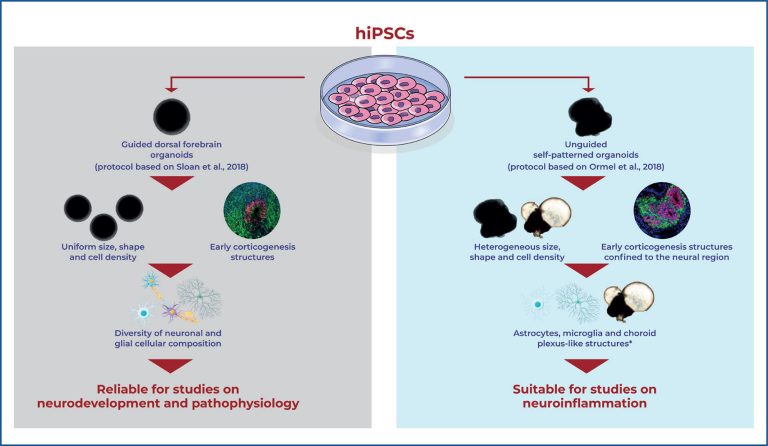
Highlights ■ Guided cortical neural organoids show consistent cytoarchitecture and robust network activity. ■ Unguided neural organoids are heterogeneous, with glia, microglia, and choroid plexus cells. ■ Guided neural organoids suit cortical development and neurodevelopmental disease studies. ■ Unguided neural organoids are ideal for modeling neuroinflammation and diverse cell interactions. ABSTRACT Objective: This study aimed to compare guided dorsal forebrain neural organoids with unguided neural organoids, focusing on differences in structural organization, cellular composition, and functional properties. Methods: Using the […]
Keywords: Guided dorsal forebrain neural organoids; Induced pluripotent stem cells; Malformations of cortical development; Neuroinflammatory diseases; Unguided neural organoids
28/Mar/2025
28/Mar/2025
DOI: 10.31744/einstein_journal/2025AO1244
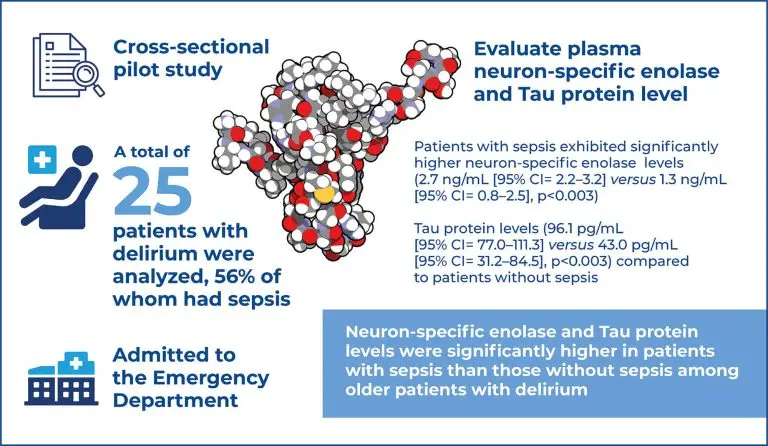
Highlights ■ Biomarkers of brain injury, such as neuron-specific enolase and Tau proteins, are higher in older patients with sepsis and delirium. ■ Diagnosing sepsis in patients with delirium can be challenging. ■ Early identification of sepsis is key to managing sepsisassociated delirium. ABSTRACT Objective: Sepsis-associated delirium is a common cerebral manifestation in patients with sepsis, potentially caused by a combination of neuroinflammation and other neurophysiological disorders. This study investigated the expression of neuron-specific enolase and Tau protein as biomarkers […]
Keywords: Biomarkers; Delirium; Emergency medicine; Neuroinflammatory diseases; Sepsis