3 results
19/Mar/2026
DOI: 10.31744/einstein_journal/2026GS1911
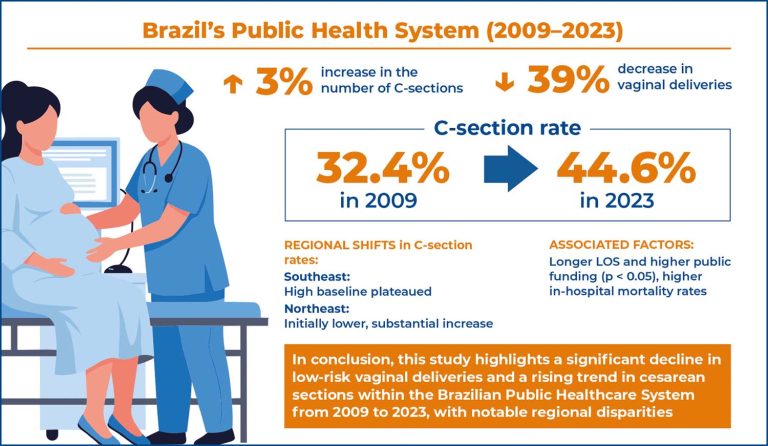
Highlights ■ Analysis of childbirth methods using national databases isessential for informing maternal–fetal health policies and research. ■ This retrospective cross-sectional study examined national and regional delivery mode trends in the Brazilian Public Health System, comparing pre- and post-COVID-19 periods to address gaps in the literature. ■ Marked regional differences were identified in delivery mode trends and associated outcomes. ABSTRACT Objective To compare the volume, public funding, and in-hospital outcomes of vaginal deliveries and cesarean sections within the Brazilian Public […]
Keywords: Brazil; Cesarean section; Delivery, obstetric; Epidemiology; Healthcare disparities; Hospitalization; Maternal health; Pregnancy outcome
30/Jul/2025
DOI: 10.31744/einstein_journal/2025GS0933
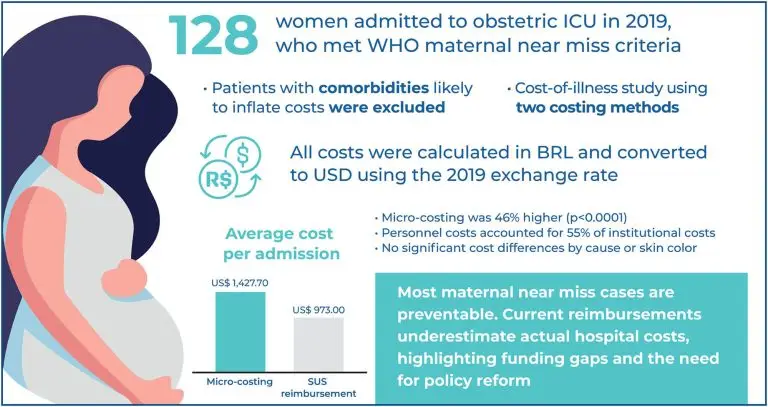
Highlights ■ Micro-costing showed high per-admission costs (US$ 1,427.70) for maternal near miss. ■ Reimbursement values (US$ 973) underestimate true hospital costs. ■ Brazil’s economic burden estimated at US$ 86 million (2019). ■ Most maternal near miss events stem from preventable causes. ABSTRACT Objective: This study aimed to estimate the hospital costs of maternal near miss cases from both the institutional and Brazilian Public Health System perspectives in a reference maternitiy hospital. Methods: This cost-of-illness study used primary data collected […]
Keywords: Cost of illness; Costs and cost analysis; Maternal health; Near miss, healthcare; Pregnancy complications
22/May/2019
DOI: 10.31744/einstein_journal/2019AO4521
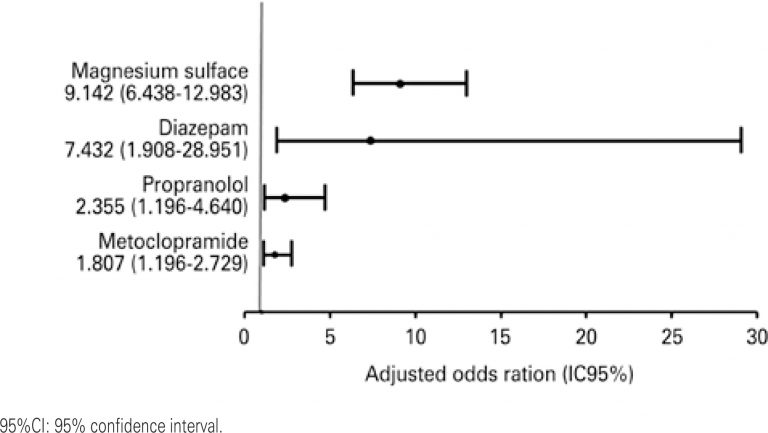
ABSTRACT Objective: To characterize severe potential drug interactions in maternal intensive care, and to determine their frequency, risk factors and potential risk medications. Methods: An observational and longitudinal study conducted between December 2014 and December 2015 in a maternal intensive care unit. Clinical data were collected and severe potential drug interactions were identified on pregnant inpatients. The drug interactions were classified by type, prevalence and exposure rate. A multivariate logistic regression model was used to identify the severe potential drug […]
Keywords: Drug interactions; Drug therapy; Intensive care units; Maternal health; Pregnancy