einstein (São Paulo). 03/Feb/2026;24:eRC1544.
Laser therapy: palliative care for the Harlequin syndrome?

DOI: 10.31744/einstein_journal/2026RC1544
ABSTRACT
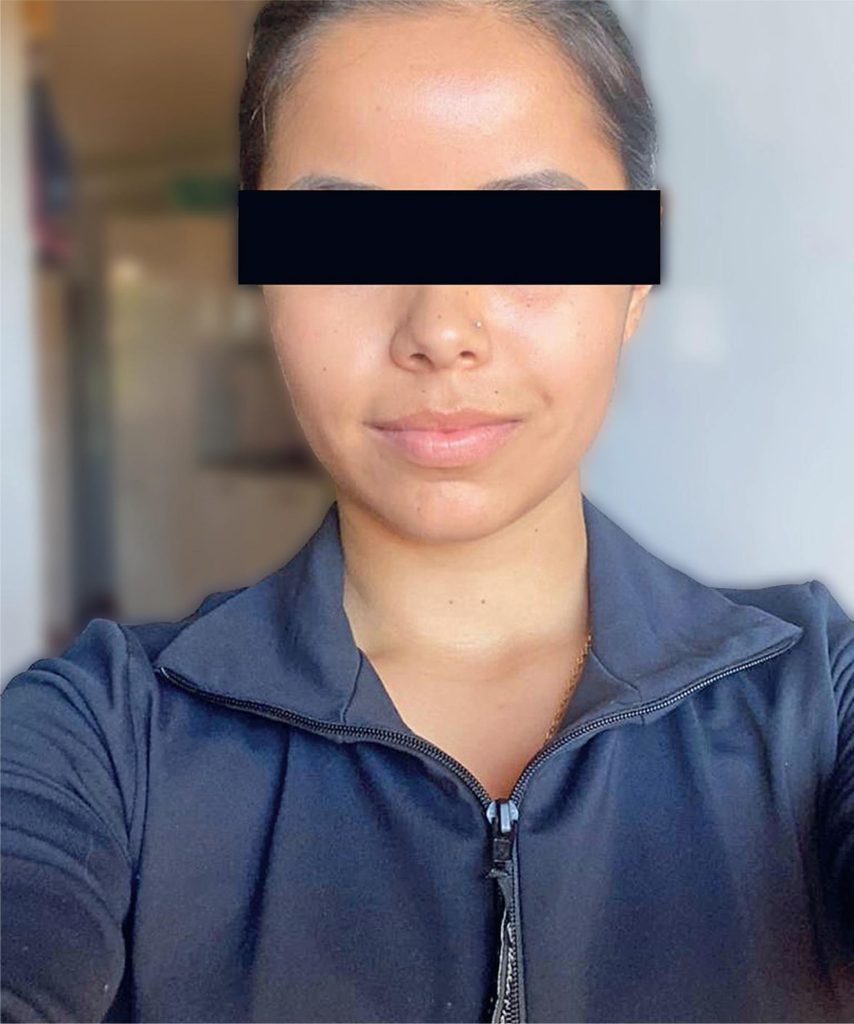
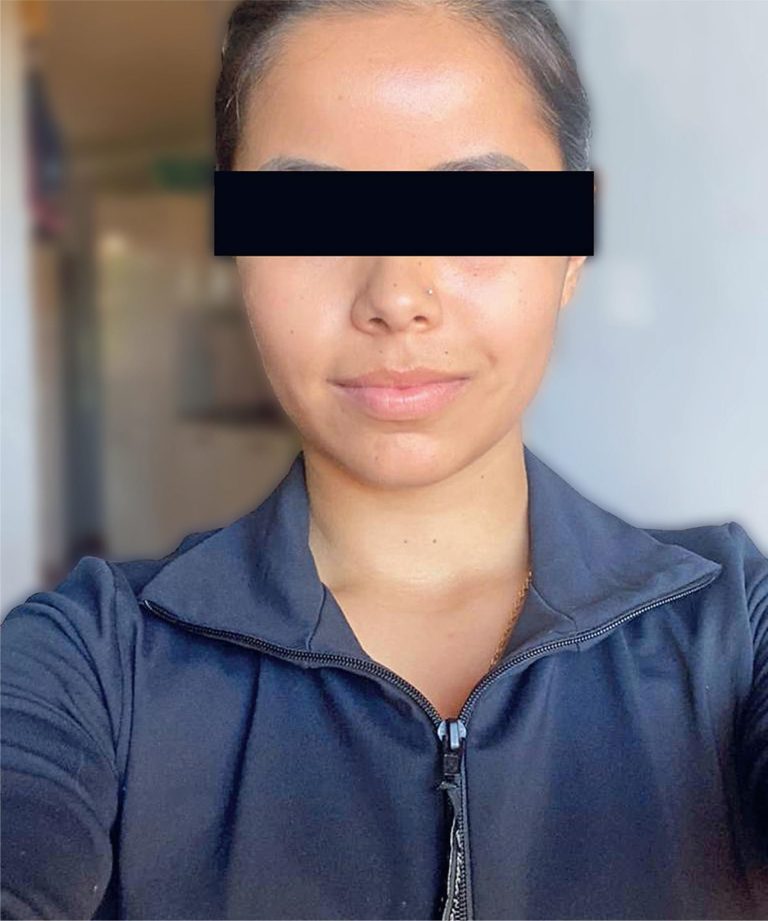
Harlequin syndrome is a rare condition characterized by facial dysautonomia with anhidrosis, hemifacial blush, and other nonfacial manifestations without conventional treatment. This report presents a case study of the potential treatment of Harlequin syndrome using laser therapy. A single-case AB design was used, allowing for a systematic comparison between the baseline and intervention phases. The baseline phase involved data collection during a period without intervention (control condition), that is before laser therap. As evaluation criteria, a clinical assessment of skin turgor, sweating or anhidrosis, and blushing was conducted. Additionally, photographic records were taken before and after treatment, and the patient satisfaction index was analyzed. The Treatment Satisfaction Questionnaire for Medication was used as a model, with adaptations made for specific patient cases. The intervention phase included laser therapy. The patient was an 18-year old female diagnosed with Harlequin syndrome without associated comorbidities. The patient was instructed not to undergo any treatment other than the laser therapy. After the laser therapy, the patient reported improvement in symptoms and satisfaction with the outcome and the therapy. It was concluded that, despite being a rare syndrome with limited available information, laser therapy is a viable and efficient approach for treating Harlequin syndrome.
Keywords: Laser therapy; Hypohidrosis; Blushing; Harlequin Syndrome
2