28/abr/2025
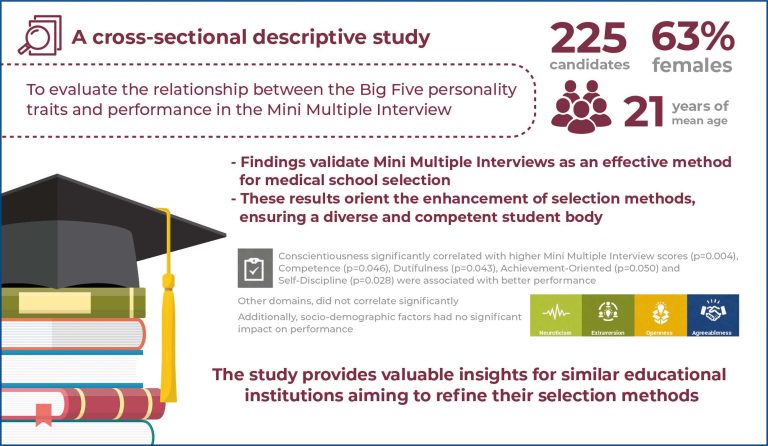
Effectiveness of Multiple Mini Interviews in medical school admissions: assessment using The Big Five Personality framework
einstein (São Paulo). 28/abr/2025;23:eAO1352.
Ver Artigo28/abr/2025
Effectiveness of Multiple Mini Interviews in medical school admissions: assessment using The Big Five Personality framework
DOI: 10.31744/einstein_journal/2025AO1352
Highlights ■ Multiple Mini Interviews assess medical school candidates’ non-cognitive skills effectively. ■ Conscientiousness is found to strongly correlate with higher Multiple Mini Interviews performance. ■ Multiple Mini Interviews ensure diversity without bias toward irrelevant personality traits. ■ Structured interview formats predict academic success and professional readiness. ABSTRACT Objective: To evaluate the effectiveness of Multiple Mini Interviews as a selection method for medical school admissions at the Faculdade Israelita de Ciências da Saúde Albert Einstein by evaluating the relationship between […]
Palavras-chave: Interview; Medical education; Medical schools; Personality tests; School admission criteria
A pilot study on feasibility and hypothesis exploration: reducing on-scene length of stay of the emergency teams via ambulance dispatch teleconsultation for prehospital examination
28/abr/2025
A pilot study on feasibility and hypothesis exploration: reducing on-scene length of stay of the emergency teams via ambulance dispatch teleconsultation for prehospital examination
einstein (São Paulo). 28/abr/2025;23:eAO1469.
Ver Artigo28/abr/2025
A pilot study on feasibility and hypothesis exploration: reducing on-scene length of stay of the emergency teams via ambulance dispatch teleconsultation for prehospital examination
DOI: 10.31744/einstein_journal/2025AO1469
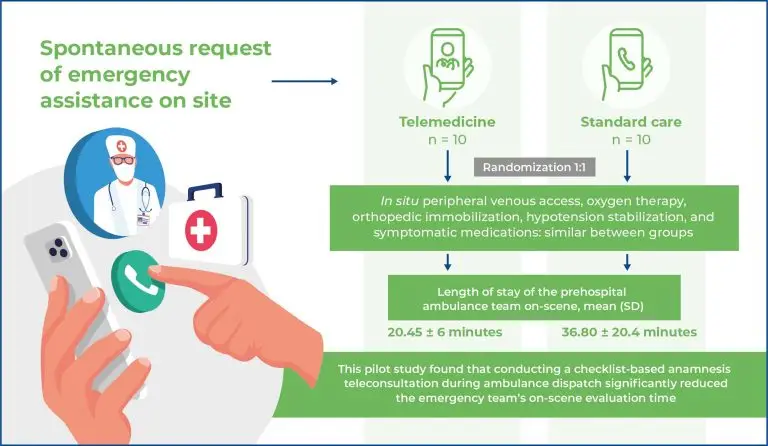
Highlights ■ Teleconsultation reduced on-scene time from 36.8 to 20.6 min (p=0.019). ■ Video-based prearrival anamnesis improved team efficiency. ■ Interventions and clinical profiles were similar across the groups. ■ Study supports broader telemedicine adoption in emergency care. ABSTRACT Objective: Ambulance transport time is an important metric in prehospital care. Limited studies have explored strategies to decrease on-scene time. We examined the effect of collecting telemedicine-based medical data during ambulance dispatch on the on-scene evaluation time of the prehospital team. […]
Palavras-chave: Ambulances; Comunicação; Tempo de internação; Equipe de assistência ao paciente; Prehospital care; Remote consultation; Telemedicina; Transportation of patients
28/abr/2025
Quality assessment of clinical practice in neuro-oncology
DOI: 10.31744/einstein_journal/2025AO1343
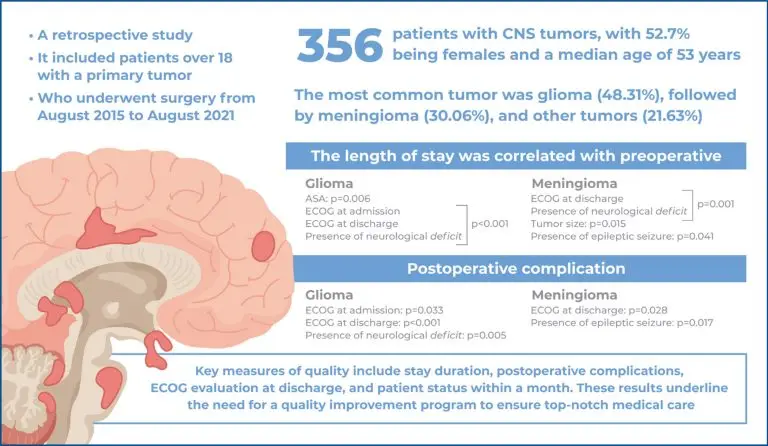
Highlights ■ The molecular test according to the WHO classification of CNS tumors (gliomas) was performed in 100% (172) of patients. ■ Education on chemotherapy and informed consent for patients with brain tumors was carried out for 100% (130) of the patients who had an indication for chemotherapy treatment. ■ Approximately 87% of the patients with gliomas underwent postoperative cranial MRI. ■ A multidisciplinary approach, including molecular testing, was used for 35% of patients with glioma. ■ Thromboembolic events after […]
Palavras-chave: Neoplasias encefálicas; Neoplasias do sistema nervoso central; Glioma; Tempo de internação; Imagem por ressonância magnética; Meningioma; Avaliação de resultados da assistência ao paciente; Complicações pós-operatórias; Melhoria de qualidade; Quality Indicators, Health Care
25/abr/2025
Impact of extubation failure on the duration of mechanical ventilation in the pediatric population
DOI: 10.31744/einstein_journal/2025AO0705
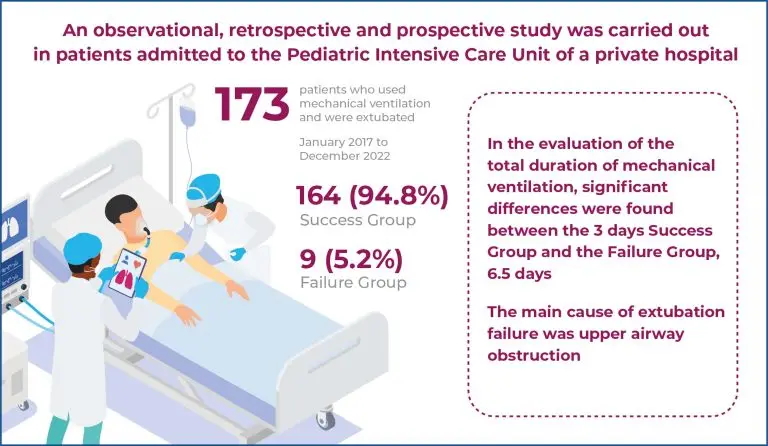
Highlights ■ In patients who experienced extubation failure, the total ventilation time was twice as long as that of patients with successful extubation. ■ The incidence of extubation failure was 5.2%, which is relatively low compared to other studies. ■ The study revealed no significant association between the presence of pre-existing illnesses and extubation outcomes. ■ Results indicated that the primary cause of extubation failure was upper airway obstruction, accounting for 67% of cases requiring reintubation. ABSTRACT Objective: To compare […]
Palavras-chave: Airway extubation; Child; Unidades de terapia intensiva; Pediatric; Respiração artificial; Desmame do respirador
22/abr/2025
Socioeconomic inequities in prostate cancer care: private versus public treatment settings pose a significant impact on overall survival
einstein (São Paulo). 22/abr/2025;23:eAO0851.
Ver Artigo22/abr/2025
Socioeconomic inequities in prostate cancer care: private versus public treatment settings pose a significant impact on overall survival
DOI: 10.31744/einstein_journal/2025AO0851
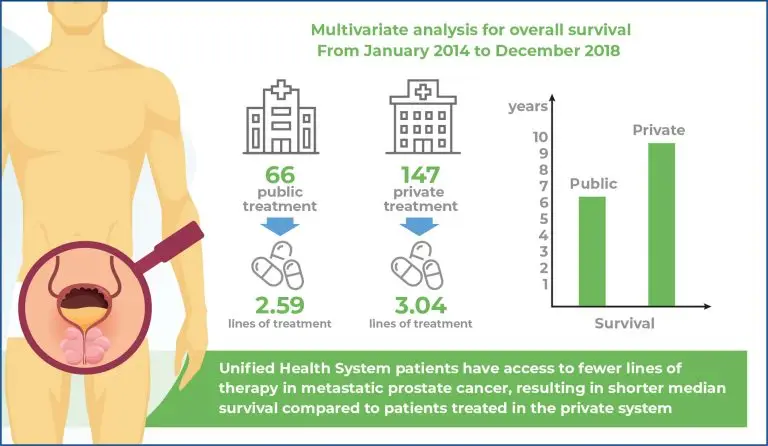
Highlights ■ Men with metastatic prostate cancer in the public system have access to fewer treatment lines. ■ Survival in the public system was 3 years shorter than that in the private setting (78 versus 115 months). ABSTRACT Objective: To evaluate the impact of assistance from public and private health systems on the overall survival of patients with metastatic prostate cancer. Methods: A total of 213 patients with metastatic prostate cancer treated at the A.C. Camargo Cancer Center, either in […]
Palavras-chave: Brasil; Serviços de Saúde; Sistemas de saúde; Metástase neoplásica; Private sector; Neoplasias da próstata; Public sector; Race factors; Social determinants of health; Análise de sobrevida
22/abr/2025
Psychological impact of gestational trophoblastic disease: a cross-sectional study
einstein (São Paulo). 22/abr/2025;23:eAO1014.
Ver Artigo22/abr/2025
Psychological impact of gestational trophoblastic disease: a cross-sectional study
DOI: 10.31744/einstein_journal/2025AO1014
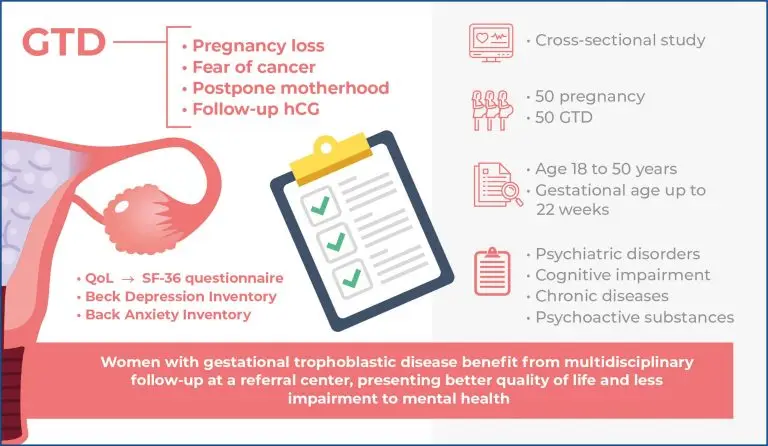
Highlights ■ Gestational trophoblastic disease should be followed up at a referral center. ■ Adequate follow-up improves quality of life for affected women. ■ Multidisciplinary monitoring reduces anxiety and depression in women. ABSTRACT Objective: To evaluate the psychological repercussions of gestational trophoblastic disease. Methods: A cross-sectional study including 100 women (50 with gestational trophoblastic disease and 50 without) was conducted between September 2020 and October 2021. Socio-demographic characteristics, quality of life, depression, and anxiety were evaluated and follow-up was performed […]
Palavras-chave: Ansiedade; Depressão; Gestational trophoblastic disease; Saúde Mental; Qualidade de vida; Inquéritos e questionários
22/abr/2025
Modified palatal flap via soft palate for skull base reconstruction
DOI: 10.31744/einstein_journal/2025AO1247
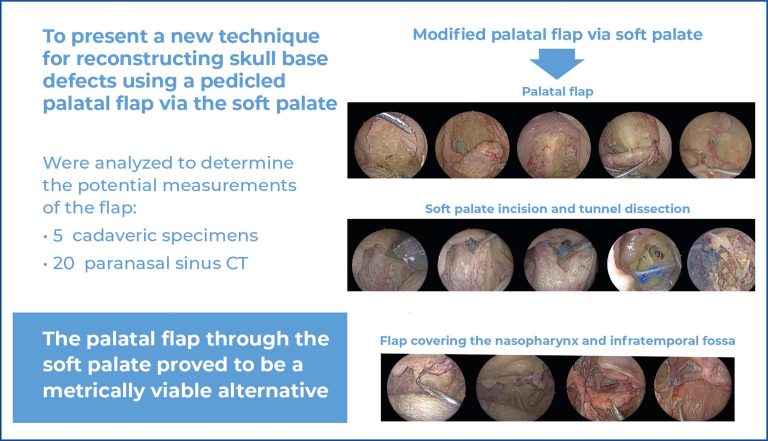
Highlights ■ The use of a pedicled palatal flap via the soft palate offers the advantage of low harvesting complexity. ■ The flap demonstrates highly positive metric data supporting its technical feasibility for reconstructing the skull base and adjacent regions. ■ Drilling is not necessary to enlarge the greater palatine foramen in this technique, which reduces the chances of injury to the vascular pedicle and surgical time. ABSTRACT Objective: Given the importance of vascularized flaps, this study presents a new […]
Palavras-chave: Cranial fossa; Flap; Nasal surgical procedure; Palate; Seios paranasais; Posterior; Skull base; Soft; Tomografia computadorizada por raios X
22/abr/2025
Dose-response relationships in Y90 resin microsphere radioembolization for patients with hepatocellular carcinoma: insights from a Brazilian cohort
einstein (São Paulo). 22/abr/2025;23:eAO1287.
Ver Artigo22/abr/2025
Dose-response relationships in Y90 resin microsphere radioembolization for patients with hepatocellular carcinoma: insights from a Brazilian cohort
DOI: 10.31744/einstein_journal/2025AO1287
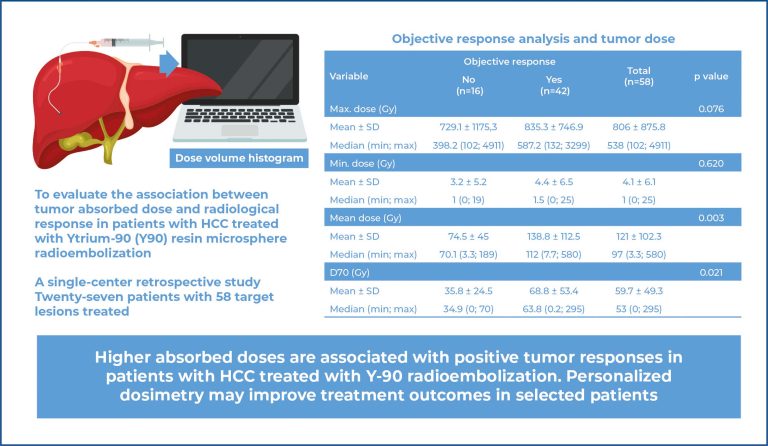
Highlights ■ Higher absorbed doses are associated with positive tumor responses in patients with hepatocellular carcinoma treated with Y-90 radioembolization. ■ Personalized dosimetry may improve treatment outcomes in selected patients. ■ Dosimetric parameters such as D30, D50, and D70 also correlate positively with objective responses, emphasizing the importance of precise dose calculation in treatment planning. ABSTRACT Objective: To evaluate the relationship between the absorbed dose and radiological response in patients with hepatocellular carcinoma undergoing resin microsphere radioembolization to enhance treatment […]
Palavras-chave: Carcinoma hepatocelular; In vivo dosimetry; Oncologia; Microspheres; Radiology, Interventional
07/abr/2025
A cross-sectional study on the expression of fibrinolytic system components and metalloproteinase-9 in women with early-stage and metastases breast cancer in Tucumán, Argentina
einstein (São Paulo). 07/abr/2025;23:eAO1237.
Ver Artigo07/abr/2025
A cross-sectional study on the expression of fibrinolytic system components and metalloproteinase-9 in women with early-stage and metastases breast cancer in Tucumán, Argentina
DOI: 10.31744/einstein_journal/2025AO1237
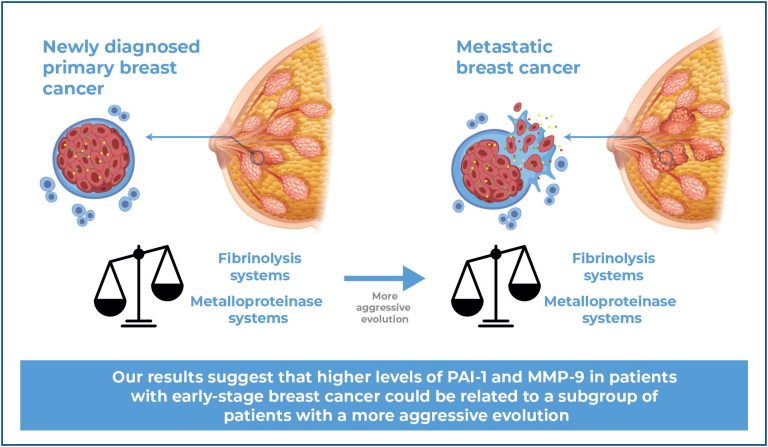
Highlights ■ No clinically significant differences were observed in platelet counts or global coagulation test results. ■ t-PA values decreased in patients with metastases. ■ PAI-1, DD, and MMP-9 levels increased in patients with metastases. ■ High levels of PAI-1 and MMP-9 in the early stages could indicate an aggressive course in patients. ABSTRACT Objective: The hemostatic and matrix metalloproteinase (MMP) systems are known to be altered in patients with breast cancer. This cross-sectional study aimed to explore the fibrinolysis […]
Palavras-chave: Breast disease; Neoplasias da mama; Fibrinólise; Matrix metalloproteinase; Metastasis neoplasms; Plasminogen activator inhibitor 1; Standard coagulation tests
07/abr/2025
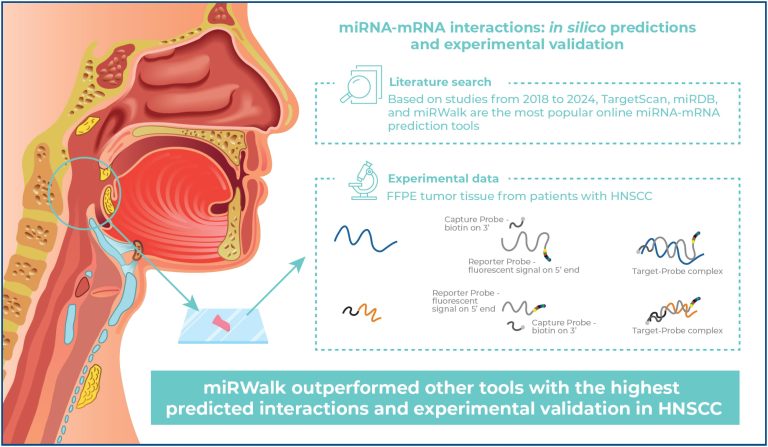
Comparative analysis of miRNA-mRNA interaction prediction tools based on experimental head and neck cancer data
DOI: 10.31744/einstein_journal/2025AO1372
Highlights ■ miRWalk had the highest predicted interactions and validated miRNA networks in HNSCC. ■ Around 3.3% of interactions overlapped across tools, emphasizing the need for multitool approaches. ■ Dysregulated genes and miRNAs were tied to cancerdriving PI3K-Akt and Wnt pathways. ■ The validated approach highlights the importance of integrating computational and molecular data. ABSTRACT Objective: Head and neck squamous cell carcinoma (HNSCC) has a poor prognosis largely due to late diagnosis and a lack of reliable biomarkers. MicroRNAs (miRNAs), […]
Palavras-chave: Algorithms; Biomarcadores; Biologia computacional; Expressão gênica; MicroRNAs; Squamous cell carcinoma of head and neck; Target prediction tool