01/jul/2026
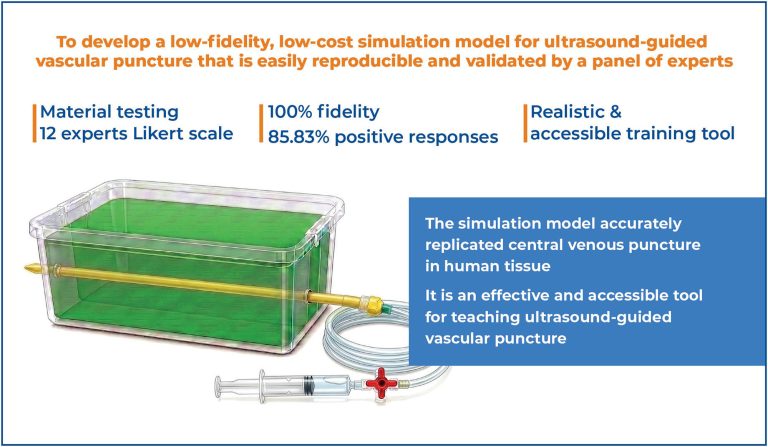
Development of a low-fidelity simulation model for ultrasound-guided vascular puncture
DOI: 10.31744/einstein_journal/2026AE1497
Highlights ■ Ultrasound improves success rates and reducescomplications during vascular puncture. ■ Simulation-based training enables safe and effectiveacquisition of procedural skills. ■ A low-cost, reproducible simulation model was developed. ■ Specialists validated the model as effective for teaching and training. ABSTRACT Objective: To develop a low-fidelity, low-cost simulation model for ultrasound-guided vascular puncture that is easily reproducible and validated by an expert panel. Methods: Sequential tests using different materials were conducted based on phantom models described in the literature. The […]
Palavras-chave: Central venous access; Educação médica; Phantoms, imaging; Treinamento por simulação; Ultrassonografia; Ultrassonografia de intervenção
24/jun/2026
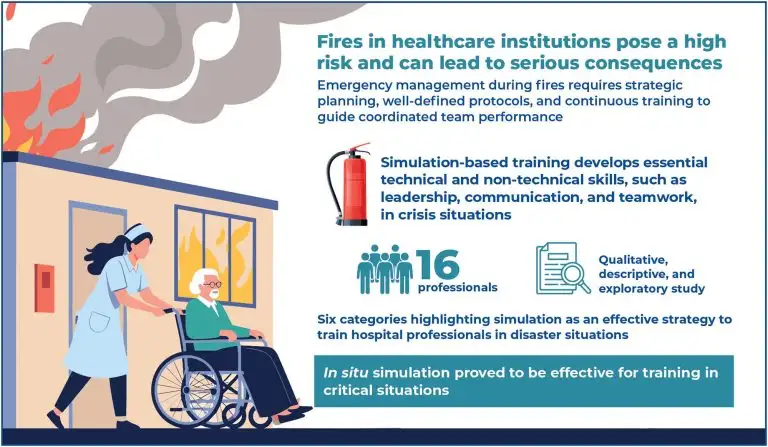
In situ simulation for trauma victim care in a hospital fire scenario
DOI: 10.31744/einstein_journal/2026AO2275
Highlights ■ In situ simulation prepares healthcare teams for hospital fire emergencies. ■ Simulation strengthens teamwork, communication, and safety culture. ■ This study demonstrates that simulation enables the identification of latent threats and gaps in institutional protocols. ■ In situ training contributes to organizational readiness and emergency planning. ABSTRACT Objective: To evaluate in situ simulations as a training strategy for the initial care of trauma victims in a hospital fire scenario. Methods: A qualitative, descriptive, and exploratory study was conducted […]
Palavras-chave: Desastres; Educação continuada; Fires; Hospitais; Segurança do paciente; Segurança; Treinamento por simulação; Ferimentos e lesões
09/jun/2026
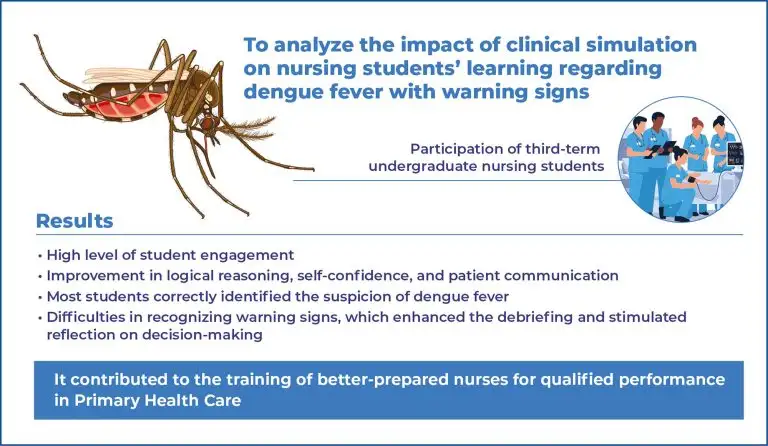
Nursing education: use of clinical simulation in the care of patients with dengue fever
DOI: 10.31744/einstein_journal/2026AO2278
Highlights ■ Clinical simulations enhance dengue management and clinical reasoning in undergraduate studies. ■ Mixed methods revealed gaps in physical examinations and uncertainties in risk classification. ■ Structured debriefing promotes metacognition and critical reflection on errors. ■ Realistic scenarios strengthen empathetic communication and enhance patient safety. ABSTRACT Objective: To analyze how clinical simulation impacts nursing students’ proficiency in clinical evaluation, decision-making, therapeutic communication, and reporting of dengue fever with warning signs within a primary health care context. Methods: Third-term nursing […]
Palavras-chave: Dengue; Educação em saúde bucal; Nursing; Atenção Primária à Saúde; Treinamento por simulação
28/maio/2026
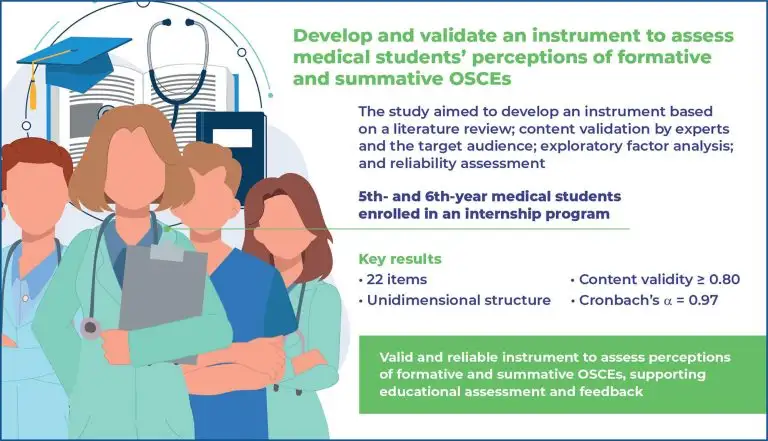
Medical students’ perception of the OSCE: development and validation of an instrument to assess formative and summative modalities
einstein (São Paulo). 28/maio/2026;24:eAO1866.
Ver Artigo28/maio/2026
Medical students’ perception of the OSCE: development and validation of an instrument to assess formative and summative modalities
DOI: 10.31744/einstein_journal/2026AO1866
Highlights ■ Instrument developed to assess medical students’ perceptions of OSCEs. ■ Evidence of strong validity and excellent internal consistency. ■ Formative and summative OSCE modalities were also assessed. ■ Tool supports educational assessment and feedback in medical education. ABSTRACT Objective: To develop, validate, and apply an instrument aimed at assessing medical students’ perceptions of the impact of an Objective Structured Clinical Examination (OSCE), both in its peer-based formative and traditional summative modalities, on clinical learning. Methods: This study used […]
Palavras-chave: Avaliação educacional; Exercício; Educação em saúde bucal; Problem-based learning; Treinamento por simulação; Inquéritos e questionários
03/out/2025
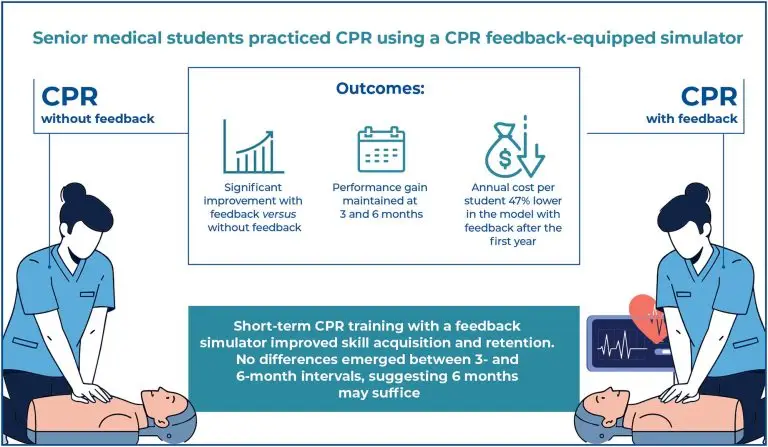
Analysis of acquisition and retention of cardiopulmonary resuscitation skills according to training frequency
DOI: 10.31744/einstein_journal/2025AO1257
Highlights ■ All variables that affect the quality of cardiopulmonary resuscitation were analyzed. ■ In addition to performance, we analyzed participants’ confidence. ■ This study considered the cost of training using the traditional methodology versus feedback. ABSTRACT Objective: To analyze cardiopulmonary resuscitation skill acquisition and retention at 3 and 6-month intervals and determine the optimal training frequency and associated costs. Methods: Fifth and sixth-year medical students practiced cardiopulmonary resuscitation using a feedback-equipped simulator. Results: The study included 43 students. Training […]
Palavras-chave: Advanced cardiac life support; Ressuscitação cardiopulmonar; Clinical skills; High fidelity simulation training; Treinamento por simulação; Simultion training
29/jul/2024
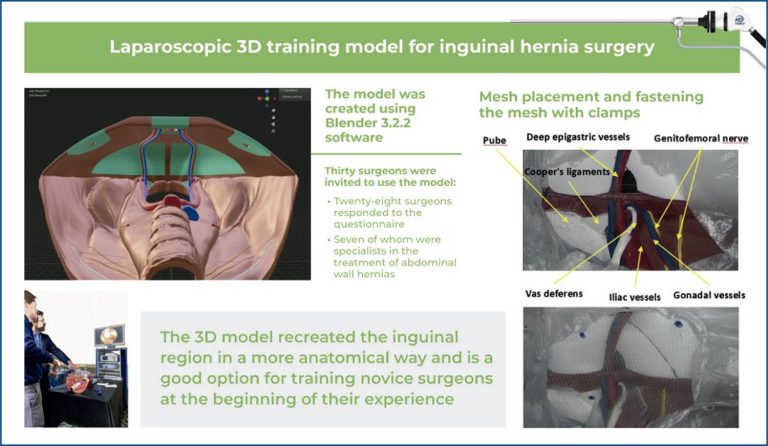
Hernia 3D training model: a new inguinal hernia 3D-printed simulator
DOI: 10.31744/einstein_journal/2024AO0620
Highlights The model was considered simple, realistic, and capable of precisely simulating inguinal anatomy. Recreating the inguinal region in a more anatomical manner without increasing costs is possible. The model could be a good option, particularly beneficial for training surgeons at the beginning of their careers. ABSTRACT Objective: To evaluate the functionality and quality of the anatomical representation of the hernia 3D training model. Methods: A model was created based on subtraction data derived from computed tomography scans of the […]
Palavras-chave: Hernia, inguinal; Procedimentos cirúrgicos minimamente invasivos; Printing, three-dimensional; Treinamento por simulação
18/jul/2024
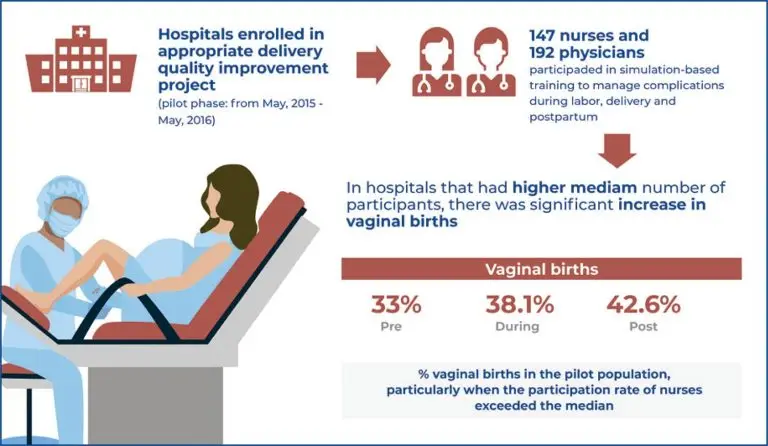
Appropriate Delivery Project: Impact of Simulation Training on the Increase in Vaginal Births in Hospitals in Brazil
DOI: 10.31744/einstein_journal/2024AO0783
Highlights Simulation-based training is a valuable strategy for achieving positive changes in obstetric practice. The rate of vaginal births increased after the intervention. The findings underscore the potential advantages of incorporating simulation training into quality improvement initiatives. Higher training adoption rates correlated with substantial and sustained enhancements in vaginal birth rates. ABSTRACT Objective: This study aimed to analyze the relationship between the participation of professionals in simulation-based training and an increase in the rate of vaginal deliveries. Methods: This retrospective […]
Palavras-chave: Brasil; Cesárea; Parto obstétrico; Treinamento por simulação
18/jul/2024
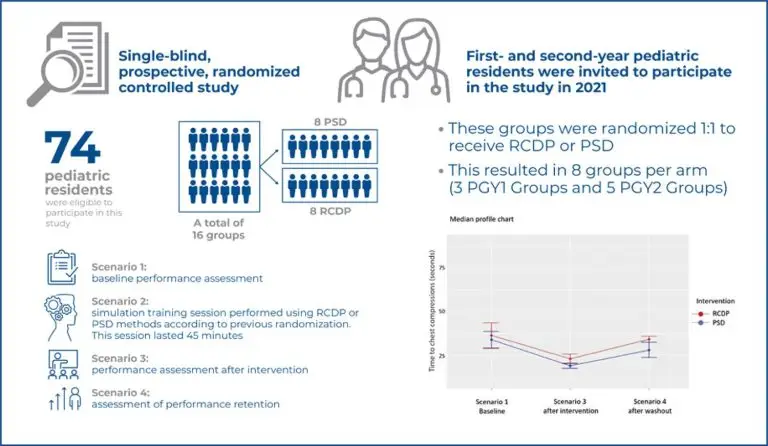
Rapid cycle deliberate practice versus postsimulation debriefing in pediatric cardiopulmonary resuscitation training:a randomized controlled study
einstein (São Paulo). 18/jul/2024;22:eAO0825.
Ver Artigo18/jul/2024
Rapid cycle deliberate practice versus postsimulation debriefing in pediatric cardiopulmonary resuscitation training:a randomized controlled study
DOI: 10.31744/einstein_journal/2024AO0825
Highlights Improvement in the performance of simulated pediatric cardiopulmonary resuscitation was observed after postsimulation debriefing and rapid cycle deliberate practice sessions. Postsimulation debriefing and rapid cycle deliberate practice are suitable for cardiopulmonary resuscitation training among pediatric residents. Retention of knowledge and skills deteriorated 5 weeks after training. ABSTRACT Objective: Simulation plays an important role in cardiopulmonary resuscitation training. Comparing postsimulation debriefing with rapid cycle deliberate practice could help determine the best simulation strategy for pediatric cardiopulmonary resuscitation training among pediatric […]
Palavras-chave: Ressuscitação cardiopulmonar; Internato e residência; Patient simulation; Pediatric emergency medicine; Treinamento por simulação
11/abr/2024
Implications of clinical simulation in motivation for learning: scoping review
DOI: 10.31744/einstein_journal/2024RW0792
ABSTRACT Objective: To identify, synthesize, and analyze the scientific knowledge produced regarding the implications of using clinical simulation for undergraduate nursing or medical students’ motivation for learning. Methods: The search for articles was conducted between July 28 and August 3, 2022, on the PubMed/MEDLINE, Scopus, Web of Science, and SciELO databases. The following was used for the search: P – undergraduate students attending Nursing or Medicine courses; C – motivation for learning, and C – skills and clinical simulation laboratory. […]
Palavras-chave: Educação médica; Educação em enfermagem; Aprendizagem; Learning health system; Motivação; Treinamento por simulação
19/abr/2023
Personal protective equipment simulation training is associated with lower COVID-19 infection among healthcare workers
einstein (São Paulo). 19/abr/2023;21:eAO0300.
Ver Artigo19/abr/2023
Personal protective equipment simulation training is associated with lower COVID-19 infection among healthcare workers
DOI: 10.31744/einstein_journal/2023AO0300
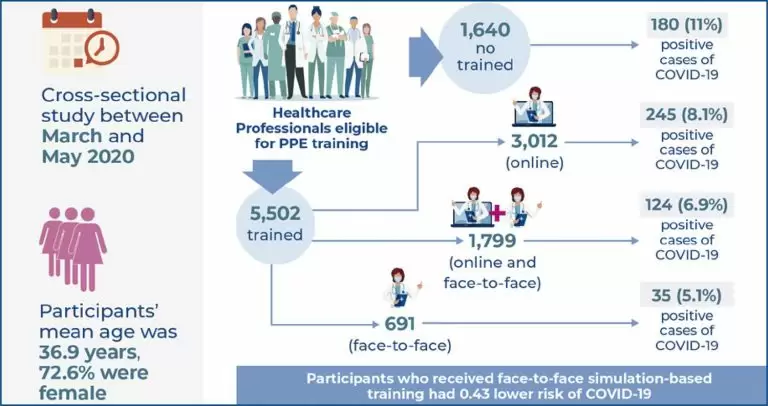
Highlights All kinds of personal protective equipment training decreased the odds of COVID-19 infection among healthcare professionals.۪ We found lower odds of infection in participants who underwent face-to-face simulation-based training.۪ Simulation-based personal protective equipment training is feasible, effective, and safe, even during the COVID-19 pandemic. ABSTRACT Objective To describe the personal protective equipment training strategies during the beginning of the pandemic and to investigate the association between training and COVID-19 infection among healthcare workers. Methods This cross-sectional study conducted between […]
Palavras-chave: Infecções por coronavírus; COVID-19; Educação a distância; Health personnel; Inservice training; Pandemics; Personal protective equipment; Treinamento por simulação