14/ago/2026
Congenital syphilis and oral involvement: Treponema pallidum detection and oral development in exposed children
einstein (São Paulo). 14/ago/2026;24(spe3):eAO2472.
Ver Artigo14/ago/2026
Congenital syphilis and oral involvement: Treponema pallidum detection and oral development in exposed children
DOI: 10.31744/einstein_journal/2026AO2472
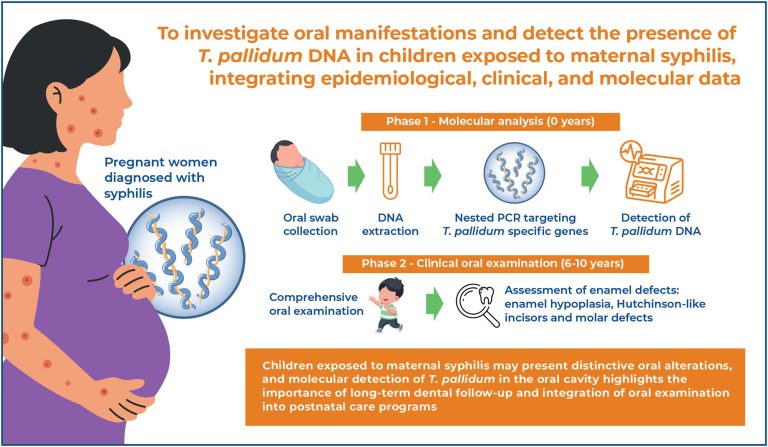
Highlights ■ Oral swabs were collected at birth and analyzed by nested polymerase chain reaction for T. pallidum DNA. ■ A high prevalence of enamel hypoplasia, Hutchinson-like incisors, and molar defects was observed at 6-10 years of age. ■ Molecular detection in oral samples suggests possible persistence of treponemal DNA or residual genetic material. ■ Integrating oral examinations into postnatal care programs may support long-term monitoring of children exposed to maternal syphilis. ABSTRACT Objective: To investigate oral manifestations and the […]
Palavras-chave: congenital; Recém-nascido; Peso ao nascer; Oral manifestations; Reação em cadeia da polimerase; Syphilis; Treponema pallidum
22/mar/2022
Fibroblast growth factor receptor 3 gene (FGFR3) mutations in high-grade muscle-invasive urothelial bladder cancer in a Brazilian population: evaluation and prevalence
einstein (São Paulo). 22/mar/2022;20:eAO6450.
Ver Artigo22/mar/2022
Fibroblast growth factor receptor 3 gene (FGFR3) mutations in high-grade muscle-invasive urothelial bladder cancer in a Brazilian population: evaluation and prevalence
DOI: 10.31744/einstein_journal/2022AO6450
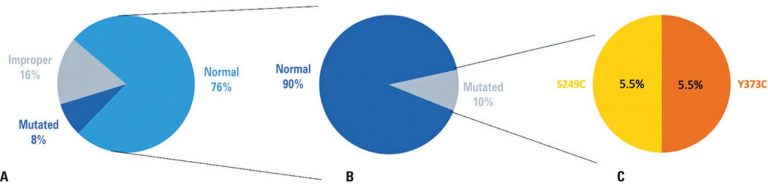
ABSTRACT Objective To understand the feasibility of FGFR3 tests in the Brazilian public health context, and to sample the mutational burden of this receptor in high-grade muscle invasive bladder cancer. Methods A total of 31 patients with high-grade muscle-invasive bladder cancer were included in the present study. Either transurethral resection of bladder tumor or radical cystectomy specimens were analyzed. Formalin-fixed paraffin-embedded tissue blocks were sectioned, hematoxylin and eosin stained, and histologic sections were reviewed. Total RNA was extracted using the […]
Palavras-chave: Carcinoma de células de transição; DNA; Mutação; Reação em cadeia da polimerase; Receptor, fibroblast growth factor, type 3; Sequence analysis, DNA; Neoplasias da bexiga urinária
07/mar/2022
COVID-19 containment management strategies in a nursing home
DOI: 10.31744/einstein_journal/2022AO6175
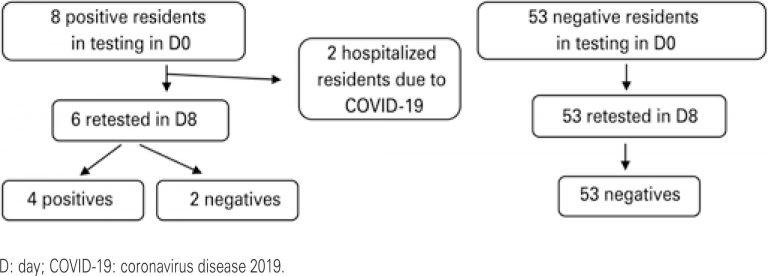
ABSTRACT Objective: To describe the first COVID-19 pandemic at Casa Ondina Lobo, a philanthropic nursing home in São Paulo city, and the containment measures against the pandemic that proved to be effective. Methods: Several preventive measures were taken before and during the pandemic, with emphasis on universal testing by reverse transcription polymerase chain reaction for COVID-19. All residents and employees were tested twice in a D9 period. Results: Among the 62 residents and 55 employees, in both testing, eight residents […]
Palavras-chave: Portador sadio; Communicable disease control; Infecções por coronavírus; COVID-19; Instituição de longa permanência para idosos; Controle de infecções; Nursing homes; Reação em cadeia da polimerase; SARS-CoV-2
04/set/2017
Diagnóstico genético pré-implantacional associado à distrofia muscular de Duchenne
DOI: 10.1590/S1679-45082017RC3994
RESUMO A distrofia muscular de Duchenne é a doença muscular mais comum observadas em crianças do sexo masculino. Atualmente, não há terapia eficaz disponível para distrofia muscular de Duchenne, portanto, é essencial o diagnóstico pré-natal e o aconselhamento genético para reduzir o nascimento desses meninos. Relatamos um caso de diagnóstico genético pré-implantação associado à distrofia muscular de Duchenne. O casal E.P.R., 38 anos, heterozigota, sintomática para uma mutação de deleção dos éxons 2 a 47 no gene DMD e G.T.S., […]
Palavras-chave: Cuidado pré-natal; Distrofia muscular de Duchenne; Hibridização genômica comparativa; Reação em cadeia da polimerase; Relatos de casos