11/mar/2026
Severe bleeding diathesis after dental extractions: a complex case of coagulation disturbances in a patient with multiple myeloma
einstein (São Paulo). 11/mar/2026;24(spe3):eRC1902.
Ver Artigo11/mar/2026
Severe bleeding diathesis after dental extractions: a complex case of coagulation disturbances in a patient with multiple myeloma
DOI: 10.31744/einstein_journal/2026RC1902
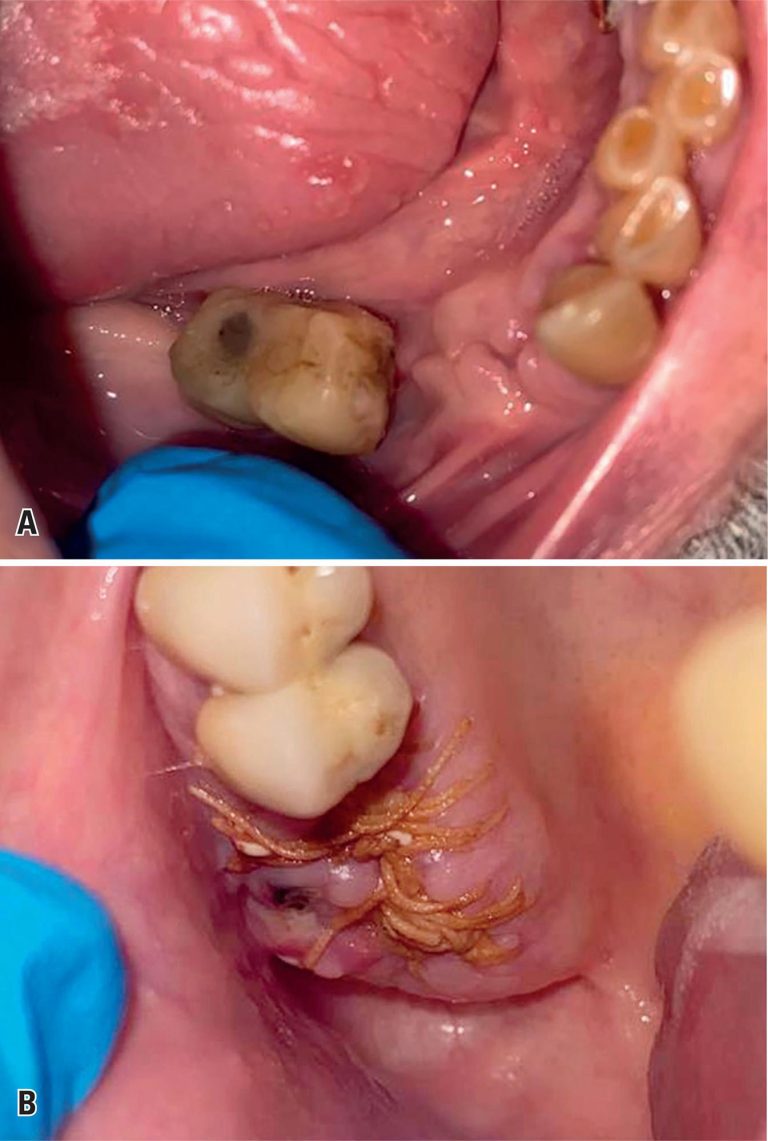
ABSTRACT This case report describes a male patient diagnosed with multiple myeloma who experienced significant bleeding from both the maxillary and mandibular dental sockets following dental extraction, lasting several days. Laboratory tests revealed prolonged prothrombin time and thrombin time, accompanied by reduced factor VII levels. Initial management with intravenous vitamin K and fresh frozen plasma failed to achieve hemostasis. Despite the risk of thrombosis, low-dose tranexamic acid was initiated, resulting in effective hemorrhage control and improved healing of the alveolar […]
Palavras-chave: Farmacogenética; Hemorragia; Mieloma múltiplo; Tooth extraction
30/ago/2023
COVID-19-associated coagulopathy and acute kidney injury in critically ill patients
DOI: 10.31744/einstein_journal/2023AO0119
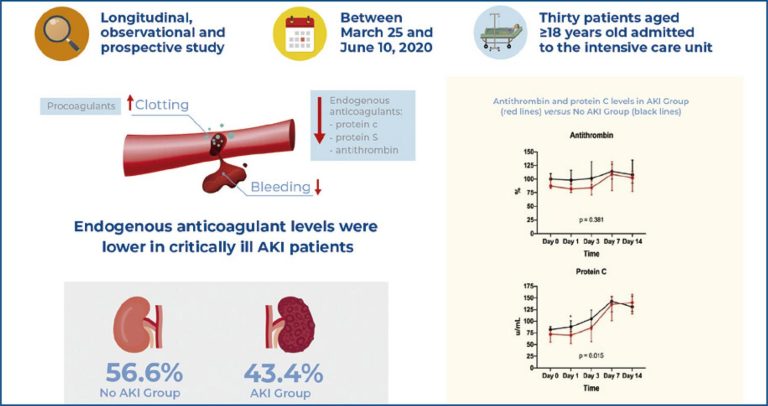
Highlights 43.4% of the cohort developed acute kidney injury. D-dimer and fibrinogen levels were high in both groups. Rotational thromboelastometry data were similar between groups. Serum levels of antithrombin activity and protein C were lower in patients who developed acute kidney injury. Objective The incidence of thrombotic events and acute kidney injury is high in critically ill patients with COVID-19. We aimed to evaluate and compare the coagulation profiles of patients with COVID-19 developing acute kidney injury versus those who […]
Palavras-chave: Acute kidney injury; Farmacogenética; Infecções por coronavírus; COVID-19; Unidades de terapia intensiva; SARS-CoV-2; Trombose
01/jul/2014
Medicina personalizada e o laboratório clínico
DOI: 10.1590/S1679-45082014RW2859
Medicina personalizada é o uso de biomarcadores, em sua maioria marcadores moleculares, para a detecção de traços genéticos específicos, a fim de orientar diversas abordagens para a prevenção e o tratamento de diferentes doenças. A identificação de vários genes relacionados a doenças hereditárias, oncológicas e infecciosas permite a detecção de polimorfismos genéticos que estão envolvidos em diferentes evoluções clínicas dessas doenças, bem como com variações na resposta ao tratamento. Atualmente, já é possível detectar esses polimorfismos utilizando diversas metodologias: a […]
Palavras-chave: Anticoagulantes; Coagulação sanguínea; DNA; Farmacogenética; Genética médica; Hepatite C; Medicina individualizada; Medicina molecular; Neoplasias