3 resultados
10/ago/2026
DOI: 10.31744/einstein_journal/2026AO1934
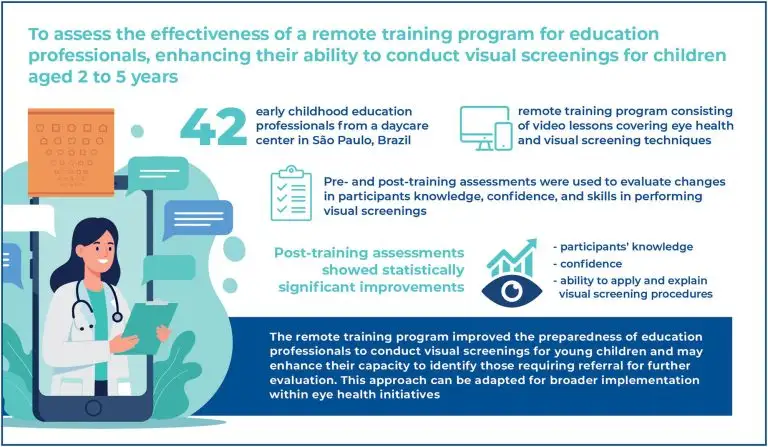
Highlights ■ Remote training significantly improved teachers’ knowledge of pediatric eye diseases. ■ Educators were successfully trained to perform visual screening using the LEA Symbols chart. ■ Distance education increased teachers’ confidence in identifying visual disorders. ■ Remote training may facilitate the early detection of amblyopia in preschool settings. ABSTRACT Objective: We aimed to assess the effectiveness of a remote training program designed to improve the ability of education professionals to conduct visual screening in children aged 2-5 years. Methods: […]
Palavras-chave: Amblyopia; Pré-escolar; Diagnóstico precoce; Education, preschool; Inquéritos e questionários; Telemedicina; Vision screening; Visual acuity tests
13/fev/2026
DOI: 10.31744/einstein_journal/2026RC2117
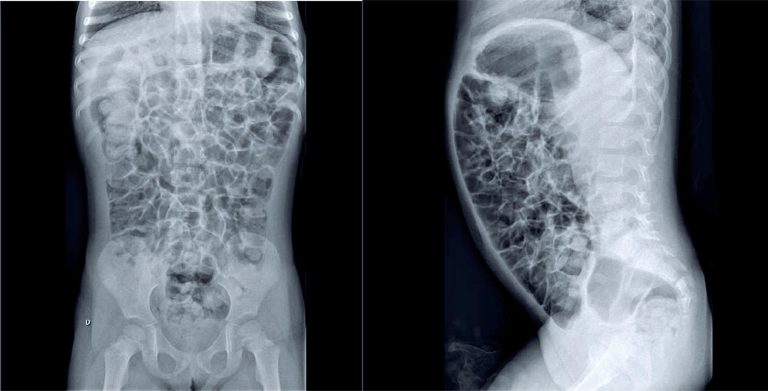
ABSTRACT A 3.5-year-old female presented with a 10-month history of abdominal pain and distension, accompanied by frequent belching and flatulence. No nausea, vomiting, or nighttime awakening due to pain was reported, and the patient’s appetite remained intact. Growth and development were age-appropriate (weight: 16.2kg, height: 106cm). She was born at term without complications and had a normal neonatal screening. No comorbidities typically associated with small intestinal bacterial overgrowth (SIBO)—such as prior intensive care unit admission, immunodeficiency, food intolerance, Helicobacter pylori […]
Palavras-chave: Bacteria; Pré-escolar; Dysbiosis; Gastrointestinal microbiome; Intestino delgado
01/jan/2010
DOI: 10.1590/S1679-45082010AO1462
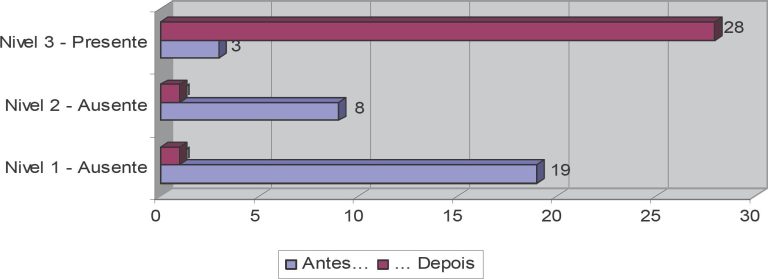
RESUMO Objetivo: Avaliar o comportamento da criança antes e depois da sessão de brinquedo terapêutico. Métodos: Este estudo é de natureza quantitativa e descritiva, e foi realizado em um hospital de porte extra no município de Santos, Estado de São Paulo. Foi desenvolvido com 30 crianças pré-escolares recém-admitidas na unidade pediátrica, às quais foi aplicada uma escala comportamental antes e depois da sessão de brinquedo terapêutico. Essa escala abrange seis categorias: movimentar, olhar, expressar emoções, verbalizar, brincar e a última, […]
Palavras-chave: Admissão do paciente; Comportamento e mecanismos comportamentais; Criança hospitalizada; Emoções; Enfermagem pediátrica/métodos; Jogos e brinquedos; Jogos e brinquedos/psicologia; Pré-escolar