13/out/2025
HPV-independent vulvar squamous cell carcinoma: a case report and review of the literature
DOI: 10.31744/einstein_journal/2025RC1482
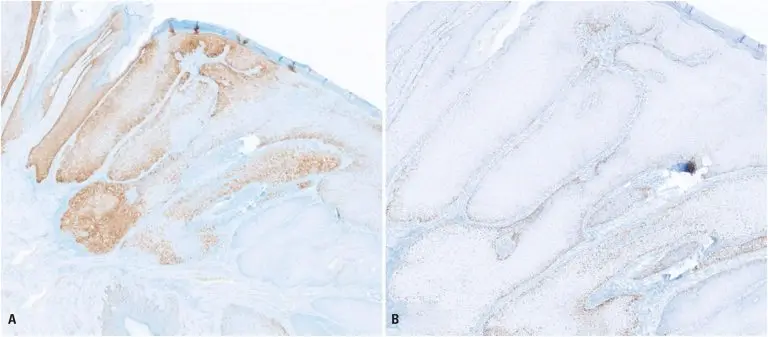
ABSTRACT Vulvar cancer, a rare gynecological malignancy, accounts for 3-5% of cases and is most commonly squamous cell carcinoma. Prognosis is poorer in cancers unrelated to human papillomavirus (HPV), often associated with chronic inflammation. We report the case of a 42-year-old woman from São Paulo, Brazil, who presented with a vulvar lesion initially misdiagnosed as an ingrown hair. Despite treatment, the lesion progressed, and subsequent evaluation revealed invasive squamous cell carcinoma. Biopsy confirmed HPV-independent disease, with immunohistochemistry demonstrating aberrant p53 […]
Palavras-chave: Female genital neoplasms; Oncologic surgery; Infecções por papillomavírus; Squamous cell carcinoma; Neoplasias vulvares
13/out/2025
Perineural hematoma following lumbar injection presenting as a neurosurgical emergency
DOI: 10.31744/einstein_journal/2025RC1483
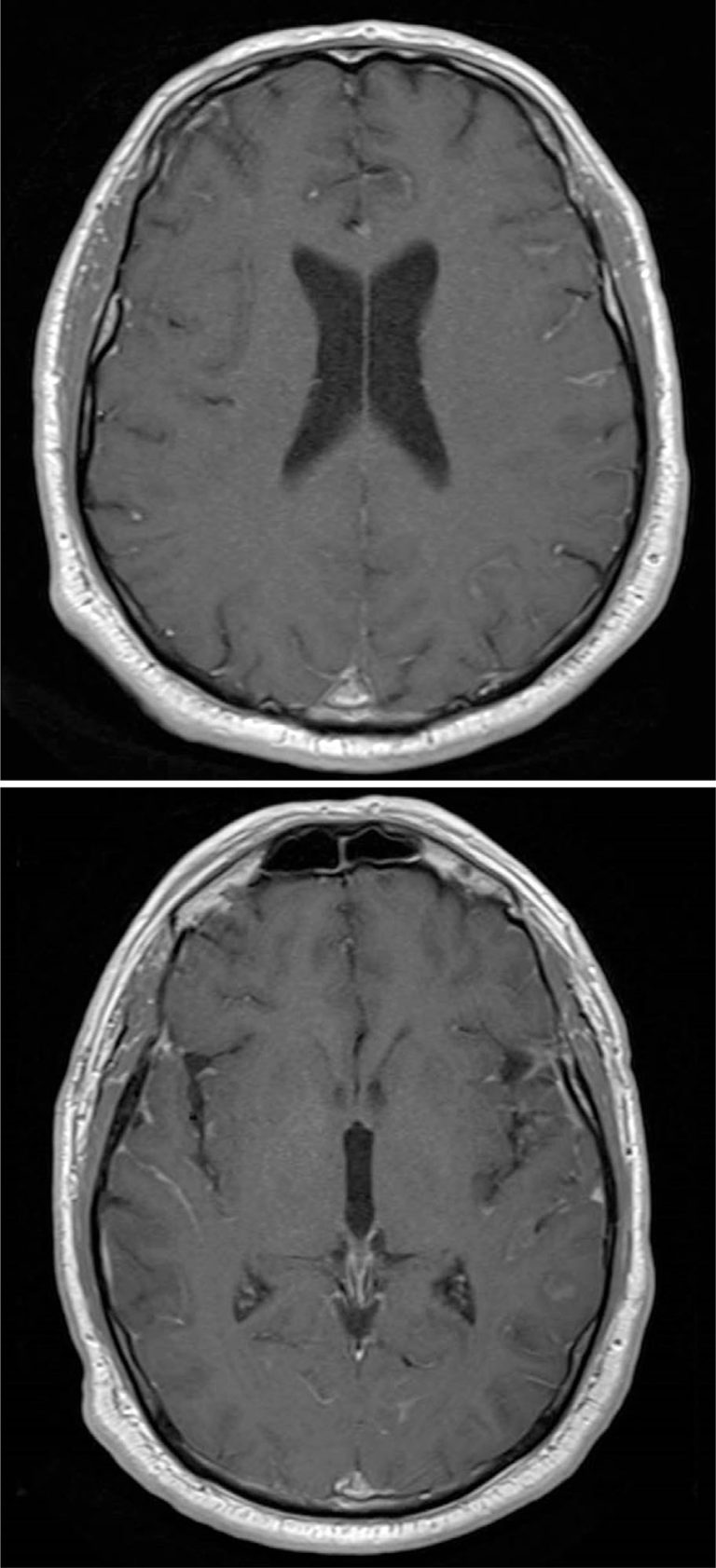
ABSTRACT Lower back pain and sciatica account for approximately 40% of work-related absences, with management options ranging from conservative measures, such as rest and analgesia, to surgical intervention. Lumbar epidural steroid injections and facet joint blocks are frequently used for both diagnostic and therapeutic purposes. While most complications are minor (2.4%-9.6%), severe events, including infection, hematoma formation, and spinal cord infarction, have been reported. This case presents a perineural hematoma manifesting as acute radiculopathy, necessitating urgent surgical decompression. The patient […]
Palavras-chave: Descompression, surgical; Hematoma; Injections; Dor lombar; Imagem por ressonância magnética; Perineural; Radiculopathy; Sciatica
03/out/2025
Raynaud’s phenomenon during treatment with lisdexamfetamine: risk of cerebral vasospasm?
DOI: 10.31744/einstein_journal/2025RC1439
ABSTRACT Lisdexamfetamine, a prodrug used to treat Attention Deficit/Hyperactivity Disorder in children, adolescents, and adults, is an inactive substance that is converted into its active form (dextroamphetamine) after being metabolized. This conversion primarily occurs in the bloodstream through enzymatic cleavage following active absorption from the gastrointestinal lumen. The active metabolite then stimulates the central nervous system by increasing the levels of dopamine and norepinephrine in the brain. It was discovered in 1996 by New River Pharmaceuticals and approved by the […]
Palavras-chave: Transtorno do déficit de atenção com hiperatividade; Attention deficit disorders; Tontura; Quimioterapia; Lisdexamfetamine; Raynaud disease; Vasospasm, intracranial
03/out/2025
Percutaneous embolization of lymphatic leakage after pelvic lymphadenectomy
DOI: 10.31744/einstein_journal/2025RC1593
ABSTRACT Lymphatic leakage after pelvic lymphadenectomy is a rare complication. Furthermore, in some cases, drainage is not possible or proves insufficient to resolve this complication. Therefore, more effective and minimally invasive interventional treatments are necessary. Accordingly, this case report presents a case of transafferent nodal embolization in a 50-year-old woman who underwent videolaparoscopic total hysterectomy with pelvic lymphadenectomy. The patient developed high post-surgery vaginal flow due to a lymphatic fistula, which was identified after intranodal lymphangiography and treated successfully via […]
Palavras-chave: Embolization; Excisão de linfonodo; Lymphatic diseases; Morbidity
03/out/2025
Platypnea-orthodeoxia syndrome: echocardiography-guided percutaneous treatment
DOI: 10.31744/einstein_journal/2025RC1568
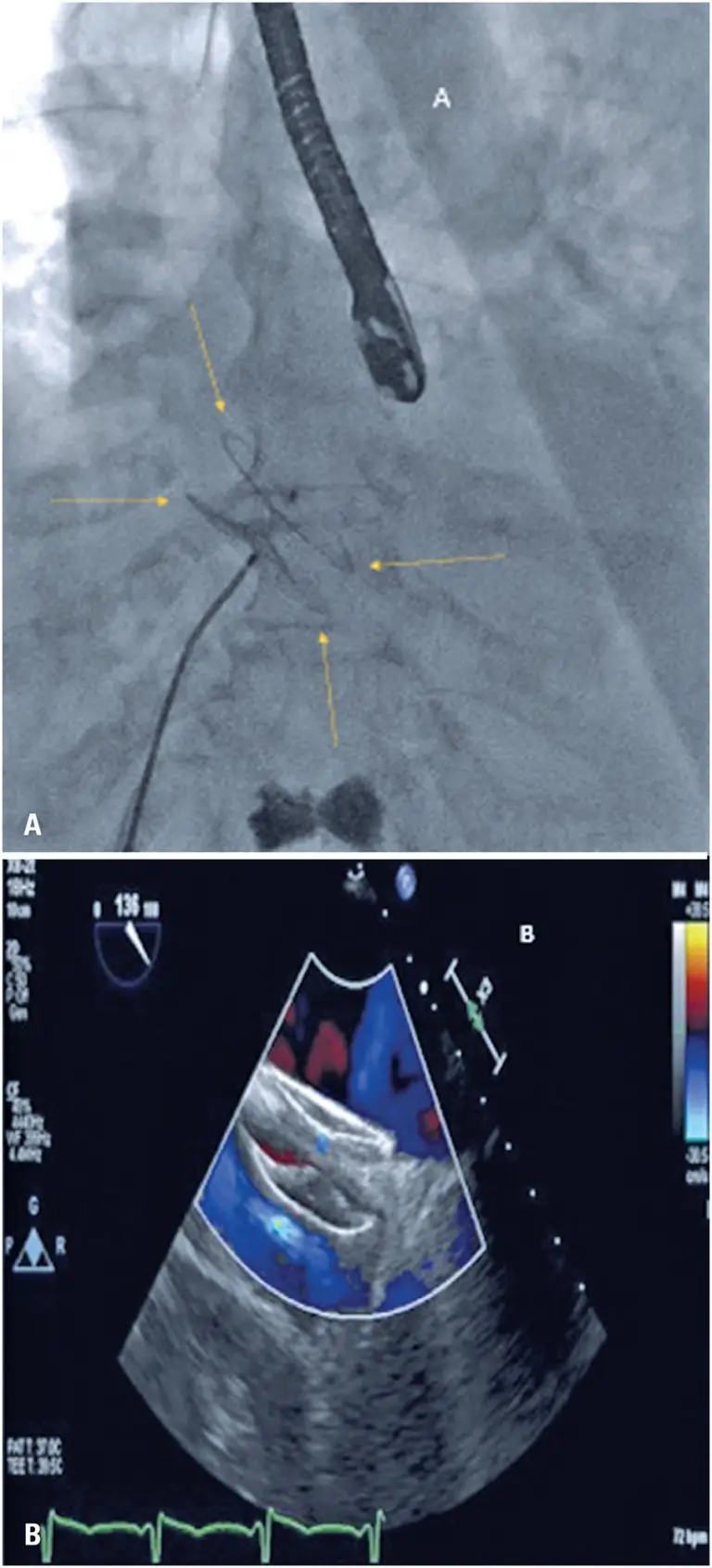
ABSTRACT Platypnea-orthodeoxia syndrome, first described in 1949, is a rare clinical condition characterized by positional dyspnea and oxygen desaturation in the upright position that improves when lying down. Herein, we report the case of an 86-year-old patient who experienced episodes of dyspnea on assuming an upright position, which limited her daily activities. The patient’s oxygen saturation was 82% in the standing position and 91% in the supine position. During diagnostic investigation, a patent foramen ovale was identified using transesophageal echocardiography. […]
Palavras-chave: Dyspnea; Ecocardiografia; Foramen ovale, patent; Orthodeoxia; Oxygen saturation; Platypnea orthodeoxia syndrome
03/out/2025
Refractory late-onset cerebrospinal fluid fistula following mammoplasty: case report of a rare complication
DOI: 10.31744/einstein_journal/2025RC1610
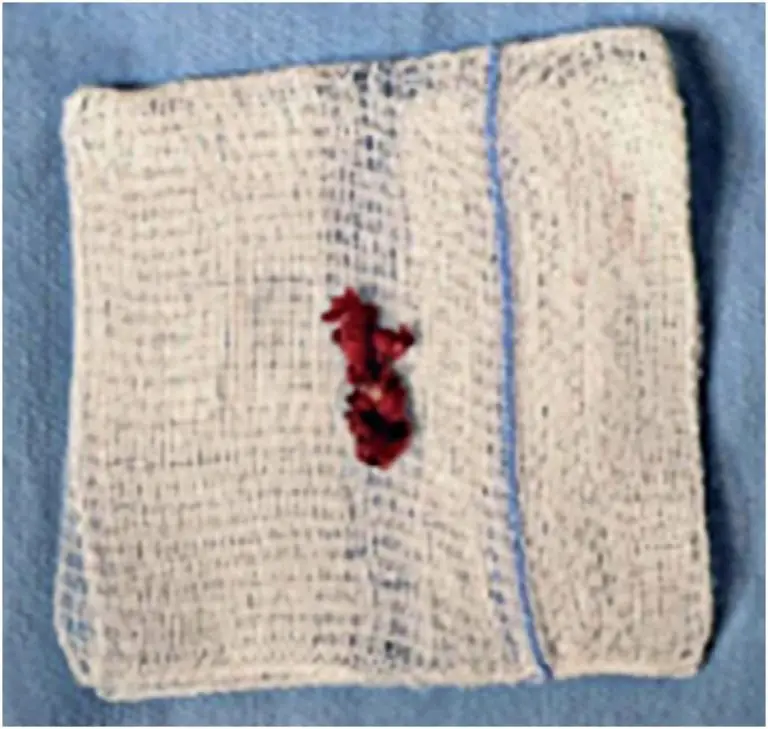
ABSTRACT Mammoplasty is commonly performed under epidural anesthesia combined with intravenous sedation; however, this carries a risk of dural puncture and post-dural puncture headache. Successful treatment is often achieved with opioids, non-steroidal anti-inflammatory drugs, and caffeine. When conservative treatment fails, an epidural blood patch should be performed; this procedure has a high resolution rate. We report the case of a patient who developed a post-dural puncture headache 25 days after elective breast implant replacement performed under thoracic epidural anesthesia combined […]
Palavras-chave: Blood patch, epidural; Cerebrospinal fluid leak; Intracranial hypotension; Mammoplasty; Post-dural puncture headache
13/ago/2025
Myopericytoma of the thoracic spine in a pregnant woman: a case report on the management of a rare neoplasm
DOI: 10.31744/einstein_journal/2025RC1150
ABSTRACT Myopericytomas are perivascular myoid neoplasms that rarely exhibit malignant characteristics. They usually arise in the dermis or subcutaneous tissue and exceptionally involve deep soft tissues, with spinal localization being rare. We report the case of a previously healthy 32-year-old pregnant woman who presented with pain in the interscapular region and progressive loss of lower limb strength. Magnetic resonance imaging revealed a solid neoplastic mass at the T3 level, with spinal canal invasion and spinal cord signal abnormalities. The pregnancy […]
Palavras-chave: Metastasis neoplasms; Myopericytoma; Gravidez; Radioterapia; Neoplasias da coluna vertebral; Vascular tissue neoplasm
13/ago/2025
Atrophic hypothyroidism associated with thyrotropin receptor antibodies
DOI: 10.31744/einstein_journal/2025RC1400
ABSTRACT Hypothyroidism is most frequently caused by Hashimoto’s thyroiditis. While thyrotropin receptor antibodies are well-known in Graves’ disease-induced hyperthyroidism, their role in hypothyroidism is emerging. We report the case of a 37-year-old woman with facial and periorbital edema, weight gain, and hoarseness suggestive of hypothyroidism. Elevated thyroid stimulating hormone (TSH; 131mIU/L) and decreased free thyroxine (0.2ng/dL, 2.6pmol/L) levels confirmed this diagnosis. Laboratory findings showed dyslipidemia, impaired renal function, elevated creatine phosphokinase levels, and anemia. Despite negative results for thyroid peroxidase […]
Palavras-chave: Autoanticorpos; Hashimoto disease; Hipotireoidismo; Long-acting thyroid stimulator; Gravidez; Receptors, thyrotropin; Tireoidite; Thyroiditis, autoimmune; Thyrotropin
02/jul/2025
Cardiac tamponade in a newborn caused by a peripherally inserted central catheter: case report
DOI: 10.31744/einstein_journal/2025RC0634
ABSTRACT This article describes the occurrence of cardiac tamponade in a premature newborn after the use of a peripherally inserted central catheter at a university hospital in Brazil. Pericardiocentesis was performed, the catheter was repositioned using radiography, and minimal residual pericardial effusion was confirmed using echocardiography. The patient showed good progress and was discharged from the hospital on day 47 of life without any complications related to the event. Therefore, although adverse events may occur following the insertion of peripherally […]
Palavras-chave: Tamponamento cardíaco; Cateteres; Troca materno-fetal; Prematuro; Unidades de terapia intensiva; X-rays
10/jun/2025
Uretero-fallopian fistula after gynecological surgery for endometriosis: a case report
DOI: 10.31744/einstein_journal/2025RC1294
ABSTRACT The increasing use of videolaparoscopy for the complete excision of endometriotic lesions and restoration of pelvic anatomy has helped improve long-term outcomes. However, risks remain, including rare but significant complications such as salpingoureteral fistulas. Early diagnosis using imaging methods enables adequate treatment and reduces the risk of new complications. In this report, we present a case of uretero-fallopian fistula following gynecological surgery for the resection of endometriotic lesions, with intraoperative inadvertent ureteral injury. This case report aimed to highlight […]
Palavras-chave: Fallopian tubes; Gynecologic surgical procedures; Laparoscopia; Imagem por ressonância magnética; Complicações pós-operatórias; Tomografia computadorizada por raios X; Fístula urinária; Video recording; Ferimentos e lesões