3 resultados
13/fev/2026
DOI: 10.31744/einstein_journal/2026RC2117
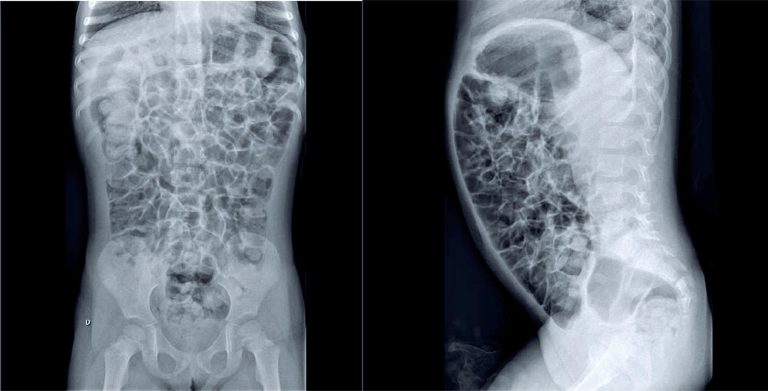
ABSTRACT A 3.5-year-old female presented with a 10-month history of abdominal pain and distension, accompanied by frequent belching and flatulence. No nausea, vomiting, or nighttime awakening due to pain was reported, and the patient’s appetite remained intact. Growth and development were age-appropriate (weight: 16.2kg, height: 106cm). She was born at term without complications and had a normal neonatal screening. No comorbidities typically associated with small intestinal bacterial overgrowth (SIBO)—such as prior intensive care unit admission, immunodeficiency, food intolerance, Helicobacter pylori […]
Palavras-chave: Bacteria; Pré-escolar; Dysbiosis; Gastrointestinal microbiome; Intestino delgado
27/jan/2023
DOI: 10.31744/einstein_journal/2023RC0173
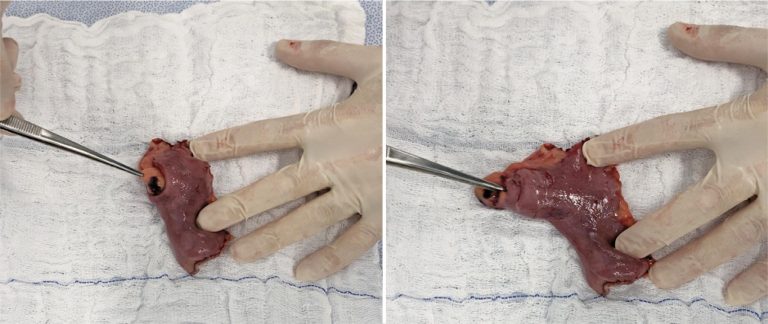
ABSTRACT Meckel’s diverticulum is the most common gastrointestinal tract anomaly. It arises from the incomplete closure of the omphalomesenteric conduit, which is a true diverticulum at the antimesenteric border of the ileum. Although the majority of patients are asymptomatic, they can present with inflammation, hemorrhage, intussusception, intestinal obstruction, and perforation, among others; this constitutes an important differential diagnosis for acute abdomen. A 19-year-old female sought medical attention because of intermittent diffuse abdominal pain for two months, nausea, and diarrhea. In […]
Palavras-chave: Divertículo; Ileal diseases; Intestino delgado; Intussusception; Laparoscopia; Meckel diverticulum
24/set/2019
DOI: 10.31744/einstein_journal/2020AO4876
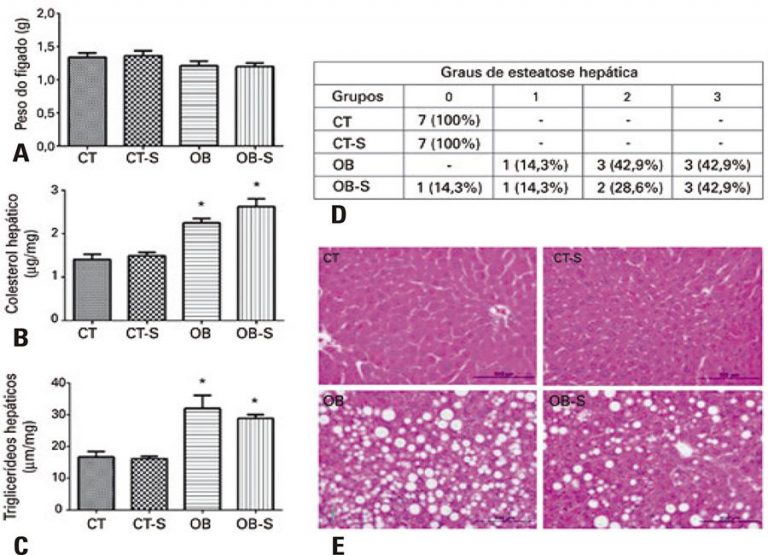
RESUMO Objetivo Investigar os efeitos da sericina extraída de casulos de Bombyx mori na morfofisiologia de camundongos com obesidade induzida por dieta hiperlipídica. Métodos Camundongos machos C57Bl6, com 9 semanas de idade, foram distribuídos em Grupos Controle e Obeso, que receberam ração padrão para roedores ou dieta hiperlipídica por 10 semanas, respectivamente. Posteriormente, os animais foram redistribuídos em quatro grupos, com sete animais cada: Controle, Controle-Sericina, Obeso e Obeso-Sericina. Os animais permaneceram recebendo ração padrão ou hiperlipídica por 4 semanas, […]
Palavras-chave: Bombyx mori; Camundongos; Dieta hiperlipídica; Fígado; Intestino delgado; Jejuno; Obesidade/tratamento farmacológico; Sericinas/uso terapêutico