einstein (São Paulo). 10/ago/2026;24:eRC1988.
Disseminated histoplasmosis in a late post-liver transplant recipient: a case report and literature review

DOI: 10.31744/einstein_journal/2026RC1988
ABSTRACT
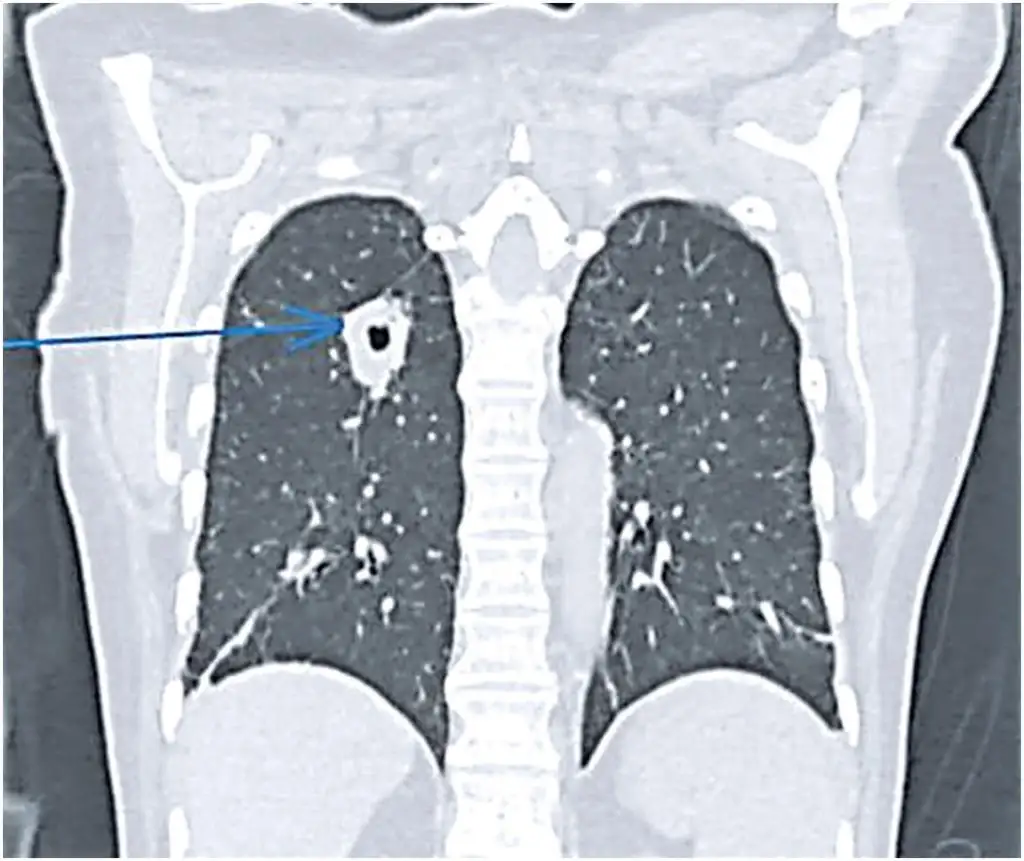
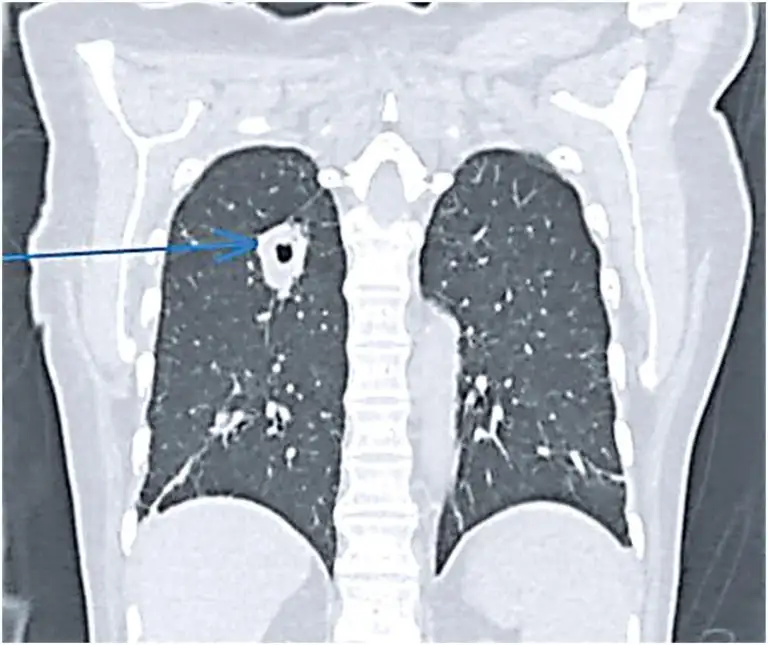
Histoplasmosis is an endemic mycosis in certain regions of Brazil and represents a rare opportunistic infection in solid organ transplant recipients. This report describes the case of a 68-year-old female liver transplant recipient (due to Caroli disease) who presented with abdominal pain, nausea, vomiting, and a distended, tender abdomen. Abdominal computed tomography revealed parietal thickening of the bowel wall, and colonoscopy identified polymorphic ulcers and ileocecal stenosis. Given the suspicion of tuberculosis, chest computed tomography was performed, which demonstrated pulmonary opacities. Although testing for acid-fast bacilli was negative, fungal staining was positive for Histoplasma capsulatum. Antifungal therapy with amphotericin B was initiated; however, due to clinical refractoriness, surgical intervention was required, including ileocecal resection with ileo-ascending anastomosis. A reoperation was performed due to postoperative complications, resulting in the creation of a terminal ileostomy. Following this intervention, the patient showed clinical improvement and tolerated an oral diet. This case highlights an atypical presentation of disseminated histoplasmosis with pulmonary and intestinal involvement, culminating in intestinal subocclusion in a late-stage liver transplant recipient. It underscores the importance of considering histoplasmosis in the differential diagnosis of immunosuppressed patients and the need for early investigation and treatment
Palavras-chave: Histoplasmosis; Histoplasma; Immunosuppressive therapy; Liver transplantation